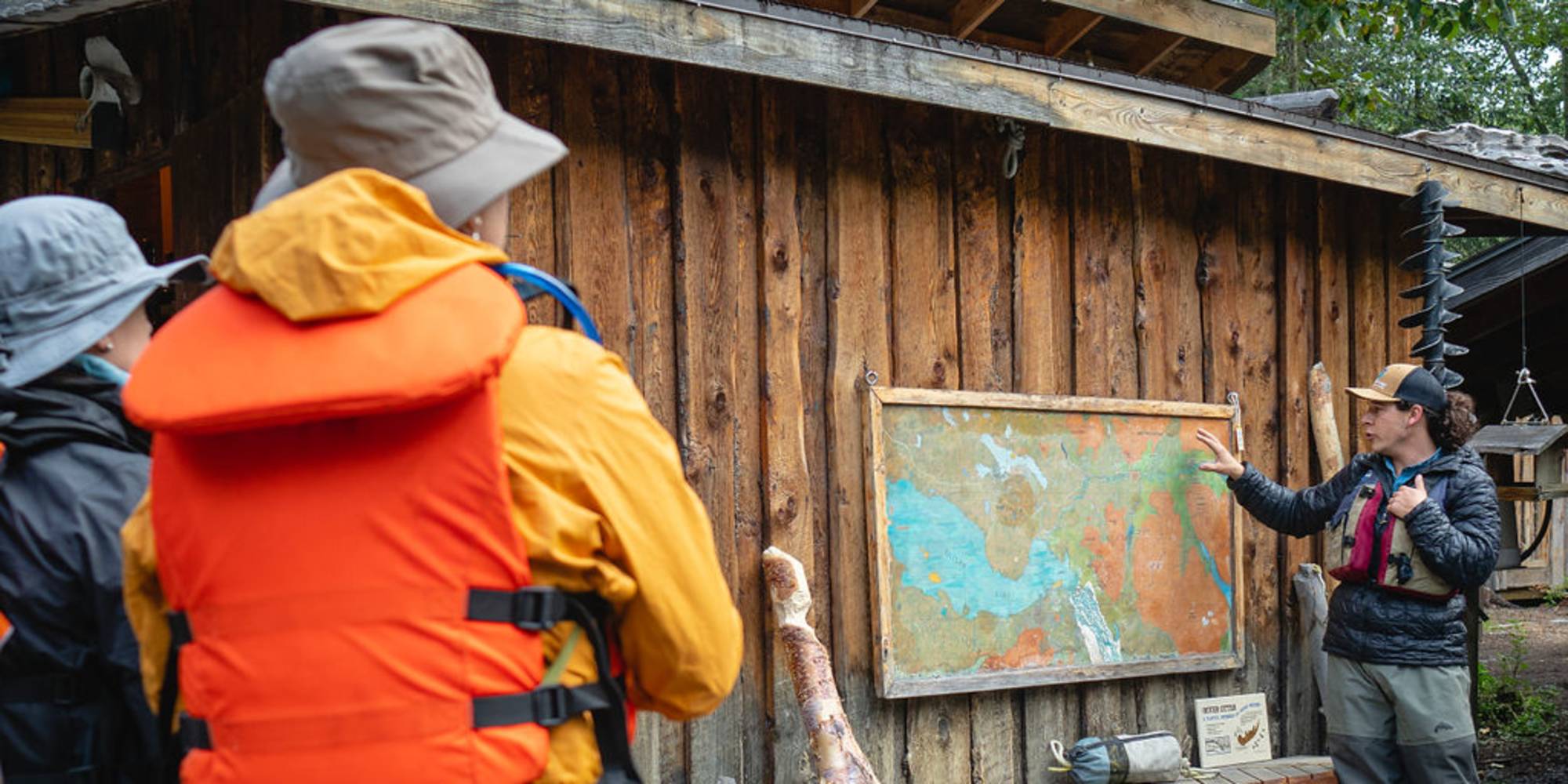
Kenai Fjords National Park has a way of humbling even seasoned travelers. The weather moves quickly. The water has its own mood. Glaciers crack and shift on a schedule that belongs only to them. Wildlife appears when it appears, often when everyone finally gets quiet enough to notice.
A guide’s best advice for Kenai Fjords National Park is to plan around water, weather, and flexibility. Much of the park is reached by boat, while Exit Glacier is the most accessible land-based area, so a strong visit usually combines a fjord or wildlife cruise with a glacier hike and enough backup time for changing conditions. Kenai Fjords covers more than 600,000 acres, and the National Park Service notes that visitors primarily access the park by road to Exit Glacier and by water along the coast.
This guide is not a standard list of attractions. It is the kind of practical, experience-earned advice that helps travelers enjoy Alaska more fully: how to layer for the coast, how to think about boat conditions, how to approach wildlife viewing, how to choose the right hike, and how to stay open when the day changes. In Kenai Fjords, flexibility is not a backup plan. It is one of the best tools you can bring.
Read the Weather Before You Read the Itinerary

The first guide rule for Kenai Fjords is simple: weather leads, plans follow. The National Park Service says weather in Kenai Fjords is difficult to predict and can change rapidly, which means a good day is less about perfect conditions and more about being ready for what the coast gives you.
A blue-sky morning in Seward does not guarantee calm seas beyond the bay. A misty start does not mean the whole day is lost. Rain can bring drama to the coastline, deepen the greens of the forest, and send temporary waterfalls down the cliffs. Wind can change how a boat route feels. Cloud cover can hide a high view, then lift just long enough to make everyone stop mid-sentence.
This is why guides pay close attention to the day, not just the plan. They look at marine conditions, trail conditions, timing, group energy, and backup options. A guide might shift a hike earlier, adjust layers before the boat leaves the harbor, recommend a shorter walk if the weather is building, or encourage the group to stay patient because the clouds are starting to move.
For travelers, the best mindset is relaxed readiness. Expect variation. Build in room. Avoid packing your day so tightly that one weather shift feels like a failure. Kenai Fjords is shaped by ice, ocean, and storm systems, and the most memorable experiences often happen when you stop trying to control every hour.
This is especially true if your plans include Resurrection Bay, Aialik Bay, Exit Glacier, or the Harding Icefield area. Each place has its own conditions. A guide helps connect those pieces so the day feels thoughtful rather than reactive.
Dress for the Boat Deck, Not the Calendar
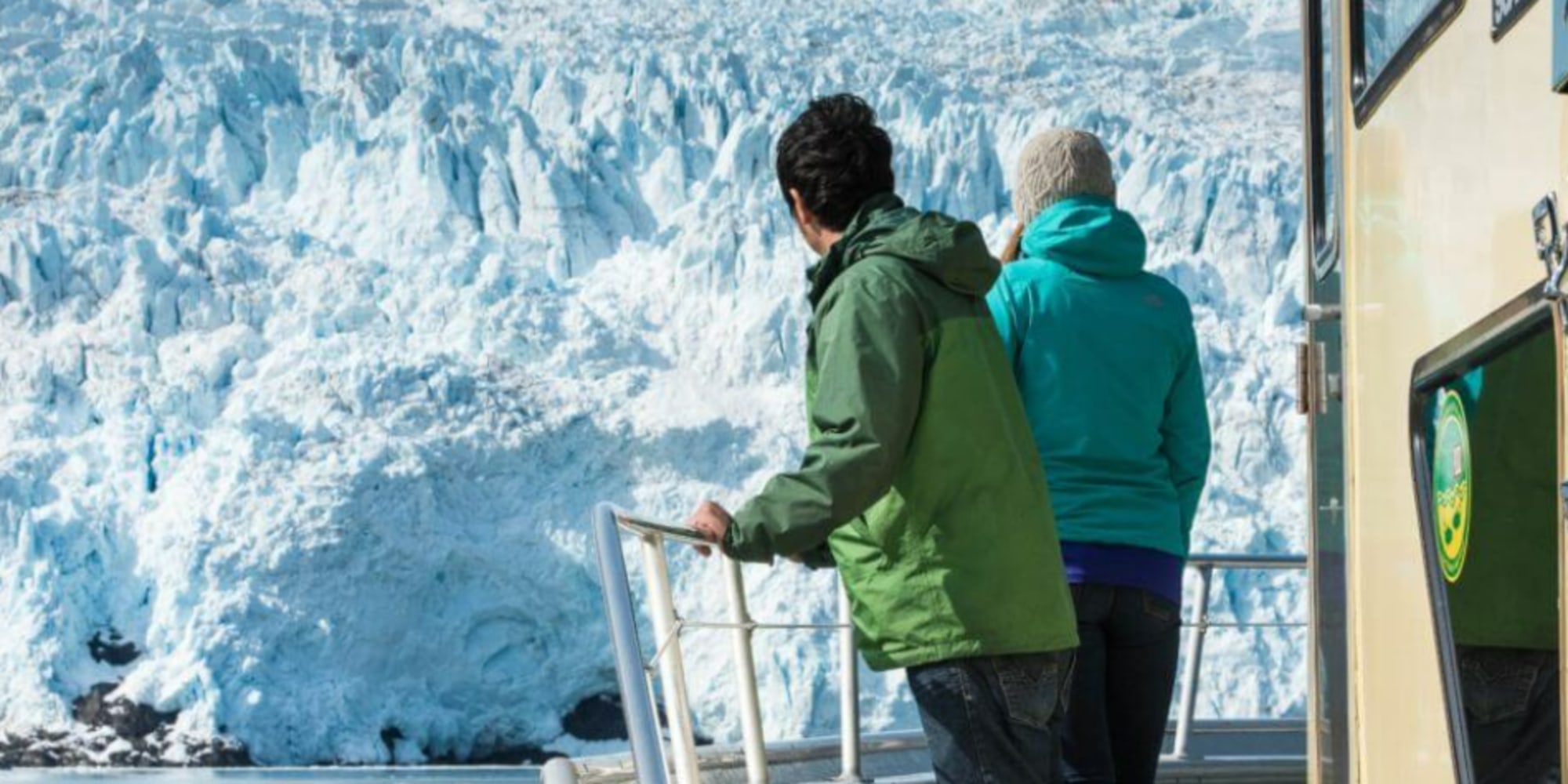
A common first-time mistake in Kenai Fjords is dressing for “summer in Alaska” as if summer automatically means warm. On the coast, it is better to dress for the boat deck. Even on a bright day, wind off the water can feel cold, and rain can move in quickly. The National Park Service notes that the best place to enjoy wildlife and scenery from a boat is often out on deck, but that winds can be surprisingly cold even on sunny days.
A guide-approved packing approach starts with layers. Choose a moisture-wicking base layer, a warm fleece or insulated mid-layer, and a waterproof outer layer. Add a hat, gloves, sunglasses, sun protection, and comfortable shoes with grip. For boat days, seasickness support is worth considering before you need it. For trail days, carry water, snacks, and an extra warm layer even when the forecast looks friendly.
This advice matters because the best views and wildlife sightings often happen outside. If you are cold, wet, or underdressed, you are more likely to retreat indoors just as the scenery begins to unfold. If you are dressed well, you can stay present on deck as the boat moves through Resurrection Bay, watch the water for otters and whales, and enjoy the changing light without counting the minutes until you are warm again.
For hiking near Exit Glacier or toward the Harding Icefield, layers matter just as much. The National Park Service recommends sturdy, warm, waterproof footwear and cold-weather clothing, including synthetic layers and waterproofing, for the Harding Icefield Trail. The higher you climb, the more conditions can change, and current park updates often note snow on higher parts of the Harding Icefield Trail into summer.
The goal is not to overpack. It is to pack with purpose. In Kenai Fjords, comfort creates attention. When your body is warm, dry, and steady, your mind is free to notice the glacier, the bird call, the shifting light, and the little moments guides love most.
Let Wildlife Viewing Be Patient, Quiet, and Unrushed
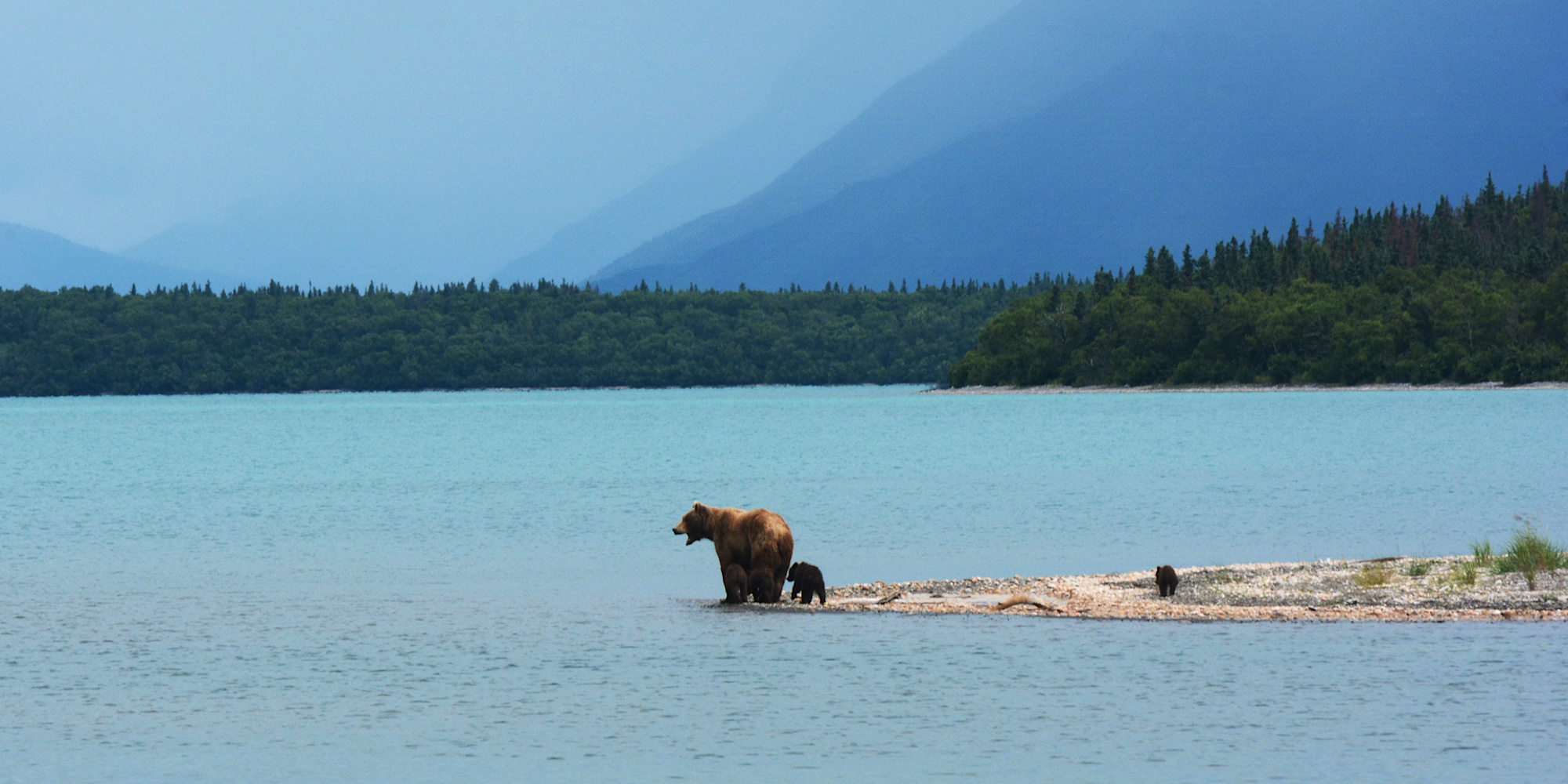
Kenai Fjords is one of the most rewarding wildlife destinations in Alaska, but a guide will tell you not to treat wildlife like a checklist. The park’s coastal waters and rugged islands support a rich marine world, including whales, sea otters, sea lions, puffins, murres, bald eagles, and other seabirds. Alaska’s Department of Fish and Game describes the fjords and rugged islands around Kenai Fjords National Park and the Alaska Maritime National Wildlife Refuge as showcasing some of Alaska’s best marine wildlife in a compact area.
The trick is patience. Wildlife sightings often begin as a small clue: birds gathering in one direction, a guide scanning the surface, a ripple that does not quite look like wind, or a shape on a distant rock that turns into a sea lion colony through binoculars. The best wildlife moments happen when the group settles into watching rather than demanding.
A guide helps with that rhythm. They know where to look, when to speak quietly, and when to let silence do the work. They can explain what you are seeing without overwhelming the moment. They also help set healthy expectations: whales may appear, or they may not. Puffins may be close, or they may be quick flashes over the water. A sea otter may steal the show without any help at all.
For families, this slower approach can be surprisingly engaging. Children often notice things adults miss, especially when they are invited to look for patterns rather than wait for a guaranteed sighting. For photographers, patience matters even more. The best image may come after ten minutes of quiet watching, not five seconds of rushed excitement.
Wildlife viewing is also a responsibility. Keep respectful distance, follow guide and captain instructions, and remember that you are visiting animals in their home. The joy is not in getting as close as possible. The joy is in witnessing something wild without interrupting it.
Match the Hike to the Day, Not Just Your Ambition

Kenai Fjords can be wonderfully active, but a guide will always match the hike to the day. That means considering weather, trail conditions, time, energy, visibility, and the group’s comfort level before deciding how far to go.
Exit Glacier is the best place to experience the park on land. The National Park Service describes Kenai Fjords as having three main areas: Exit Glacier, the coastal fjords, and the Harding Icefield. It also notes that the Exit Glacier area is located just 12 miles outside Seward and is the easiest part of the park to visit by road. This makes Exit Glacier a strong choice for families, first-time visitors, and travelers who want glacier views without taking on a strenuous trail.
The Harding Icefield Trail is a different kind of day. The National Park Service describes it as a 7.8-mile round-trip day hike from the Exit Glacier area and clearly labels it strenuous. This is the kind of hike where a guide’s judgment can make the day better: not just safer, but more enjoyable.
How hard should your Kenai Fjords hike be? The answer depends on what you want to remember. Some travelers want the challenge and reward of climbing toward the icefield. Others will have a richer day by staying lower, taking time near Exit Glacier, and leaving enough energy for a boat tour or evening in Seward. There is no prize for choosing the hardest option if it keeps you from enjoying the rest of the trip.
Guide-led hiking also adds context. You are not just walking to a viewpoint. You are moving through a living classroom of glacial change, plant succession, bear habitat, weather patterns, and alpine terrain. A guide can help you notice what the ice has left behind and how the landscape is still changing.
The best hike is the one that fits the conditions and the people in your group. That is especially important for multi-generational families, active retirees, and travelers who want adventure with a comfortable sense of support. Austin Adventures’ audience often values ease of planning, knowledgeable guides, safety, and dependable support in national parks and wilderness destinations.
Use Seward as Your Base, but Let Guides Connect the Bigger Alaska Story
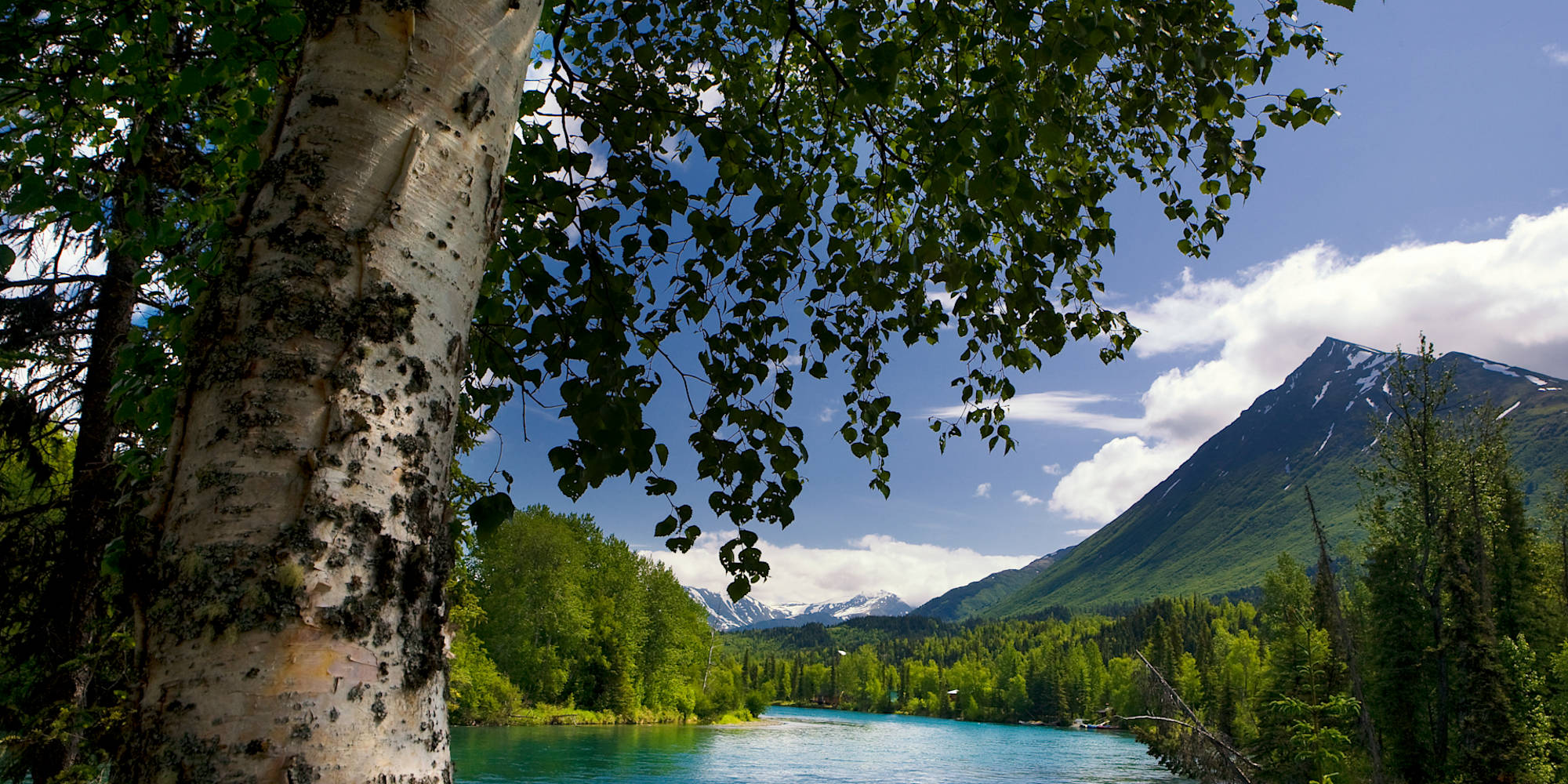
Seward is the practical base for Kenai Fjords National Park, but a good guide sees it as more than a place to sleep. It is the place where boat days, glacier hikes, local meals, harbor walks, and weather decisions all come together. The National Park Service notes that Seward Highway and AK-9 provide road access to Kenai Fjords, and that the Exit Glacier Nature Center and Harding Icefield Trailhead are reached from the Seward area.
Staying in or near Seward makes the trip easier to pace. You can reach the small boat harbor, connect to boat-based experiences, access the road toward Exit Glacier, and build in time for local stops. The Kenai Fjords National Park Visitor Center is located near the Seward Small Boat Harbor, making it a useful stop before or after a boat tour.
But the bigger guide advantage is connection. Seward, Resurrection Bay, Aialik Bay, Exit Glacier, the Harding Icefield, Peterson Bay, Grewingk Glacier, Tonsina Creek Trail, and Kenai River Canyon all tell different parts of the same Alaska story. One place shows you the ocean. Another shows you the ice. Another brings you into forest or river country. A guide helps those moments feel connected rather than scattered.
This is especially valuable for travelers comparing independent versus guided travel. Independent travel gives you freedom, but it also asks you to manage lodging, activity timing, transfers, weather changes, packing choices, route decisions, and backup plans. Guided travel is best for guests who want expert support, small-group connection, and a smoother experience in a place where logistics can shift with weather and water.
Austin Adventures’ small-group style fits Kenai Fjords because the destination rewards thoughtful pacing. The brand’s purpose centers on meaningful connection with each other and the world around us, and its guide-led approach is built around care, detail, and helping guests feel free to enjoy the moment. In Kenai Fjords, that might look like a warmer layer handed over at the right time, a well-timed wildlife pause, a flexible hike choice, or a simple reminder to look up because the clouds are lifting.
The Best Kenai Fjords Days
A guide’s guide to Kenai Fjords National Park comes down to this: prepare well, then stay open to different opportunities that may arise. Dress for wind and rain. Respect the water. Choose hikes that fit the day. Watch wildlife with patience. Use Seward as a smart base. Let the weather shape the experience instead of measuring the day against a perfect plan.
Kenai Fjords is not always neat, sunny, or predictable. That is part of why it feels so alive. A misty boat deck, a sudden whale sighting, a quiet trail near Exit Glacier, a glimpse toward the Harding Icefield, or the blue edge of a glacier in Aialik Bay can stay with you for years.
With Austin Adventures, the goal is not to remove the wildness. It is to help you feel ready for it. Guides handle the details, support the group, and make space for the moments you cannot schedule. You bring curiosity, good layers, and a willingness to let Alaska surprise you. Kenai Fjords will take care of the rest.
Written by Madeline Miller, part of the Austin Adventures team, with insight from a company that’s been creating guided adventure vacations in our National Parks since 1985.
Come on one of our guided Kenai Fjords adventures!
