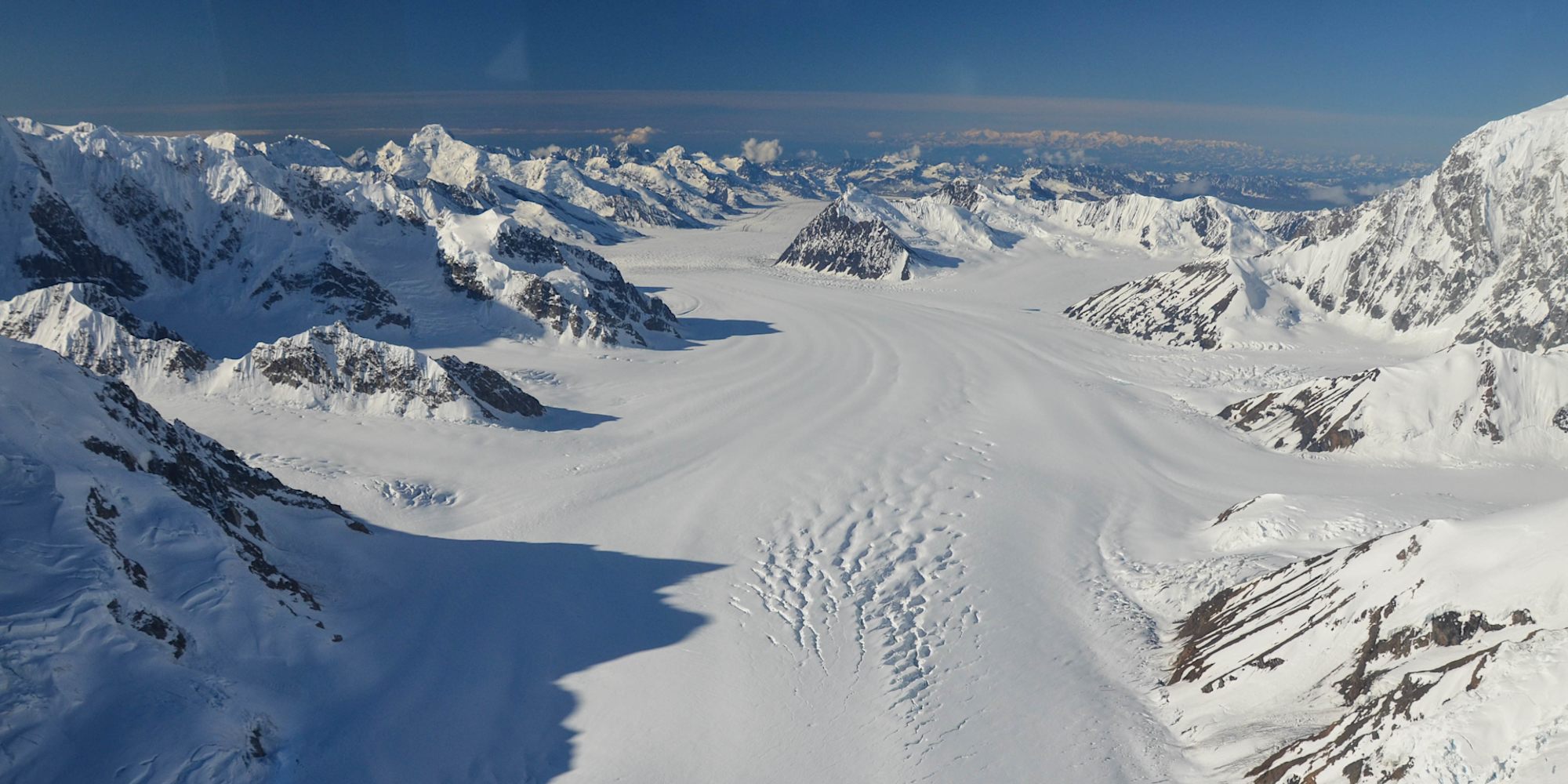
Denali is not a place that fits neatly into one perfect month. It is a vast, weather-shaped national park where summer light stretches late into the evening, fall color can arrive almost overnight, and the mountain itself may appear for ten minutes or hide behind clouds for days. That is part of the wonder.
The best time to visit Denali National Park is generally mid-June through early September, when park transportation, visitor services, hiking, lodging, and guided activities are most available. July is the warmest and most popular month, while late August into early September can bring fewer mosquitoes, a quieter feel, early fall color, and darker nights. Denali’s main visitor season runs from around May 20 into mid-September, and bus access inside the park is a summer-only experience.
For many travelers, especially families and first-time Alaska visitors, summer is the easiest and most rewarding choice. For those who like cooler air, golden tundra, and a little more space to breathe, late August and early September can feel especially memorable. The right timing depends on what you want most: wildlife, hiking, warmth, fall color, northern lights, or a smoother guided experience where the details are handled for you.
Summer in Denali: Long Days, Wildlife, and the Easiest Logistics
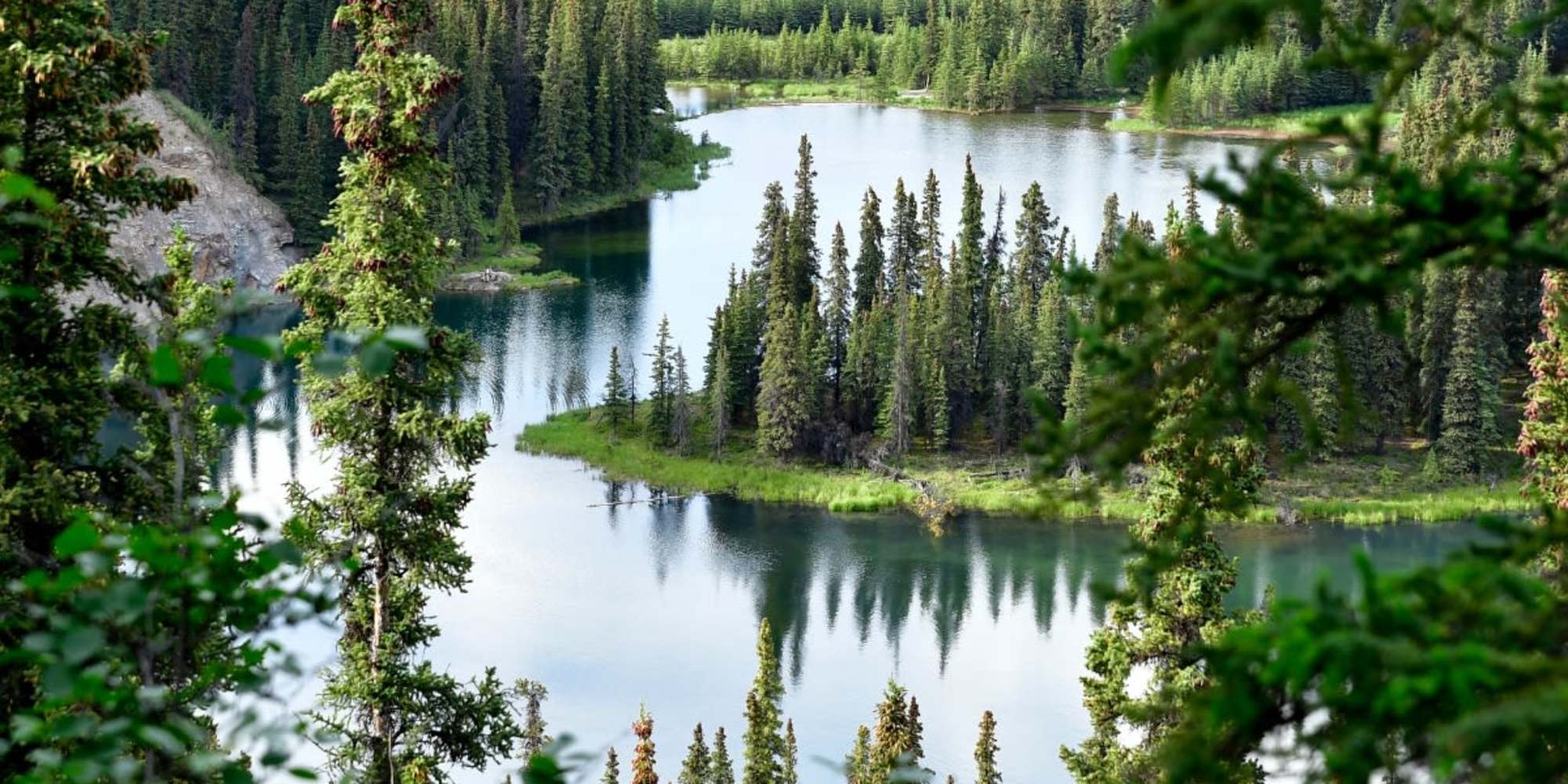
Summer is the classic time to visit Denali National Park. From June through August, the park feels awake and alive. The tundra greens up, wildflowers bloom, animals make the most of the short growing season, and long daylight gives each day a generous, unhurried feel. Wildlife is most active and visible from May to September, according to the National Park Service, as animals feed heavily before the long winter returns.
This is also the easiest season for logistics. Denali is a big place, and most sightseeing is done by bus rather than private vehicle. Summer bus service makes it possible to travel deeper into the park corridor, look for wildlife, and experience the scale of the Alaska Range without needing to manage every detail yourself. For 2026, the Denali Park Road closure at Mile 43 is expected to remain in place while road work continues, with transit and tour buses traveling no farther than East Fork Bridge.
June often feels fresh and full of movement. The days are wonderfully long, wildlife is active, and the landscape has that just-woken-up quality that makes Alaska feel especially wild. July brings the warmest temperatures, peak wildflowers, and the fullest range of services, which is why it is also the busiest month. August begins to shift toward fall, with cooler evenings, ripening berries, and a softer feel across the tundra.
For families, summer is usually the most comfortable fit. There are more services open, more guided options available, and more ways to balance activity with downtime. A day might include a scenic hike near Horseshoe Lake, a wildlife-focused bus experience, time at the visitor center, or a relaxed evening watching the light move across the mountains.
Summer’s main tradeoffs are crowds, mosquitoes, and the need to plan early. July in particular can be busy, and lodging and guided activities can fill well in advance. The good news is that none of this takes away from the experience when you arrive prepared. Good rain gear, warm layers, insect repellent, comfortable hiking shoes, and a flexible spirit go a long way in Denali.
Late August and September: Fall Color, Quieter Trails, and a Wilder Feel
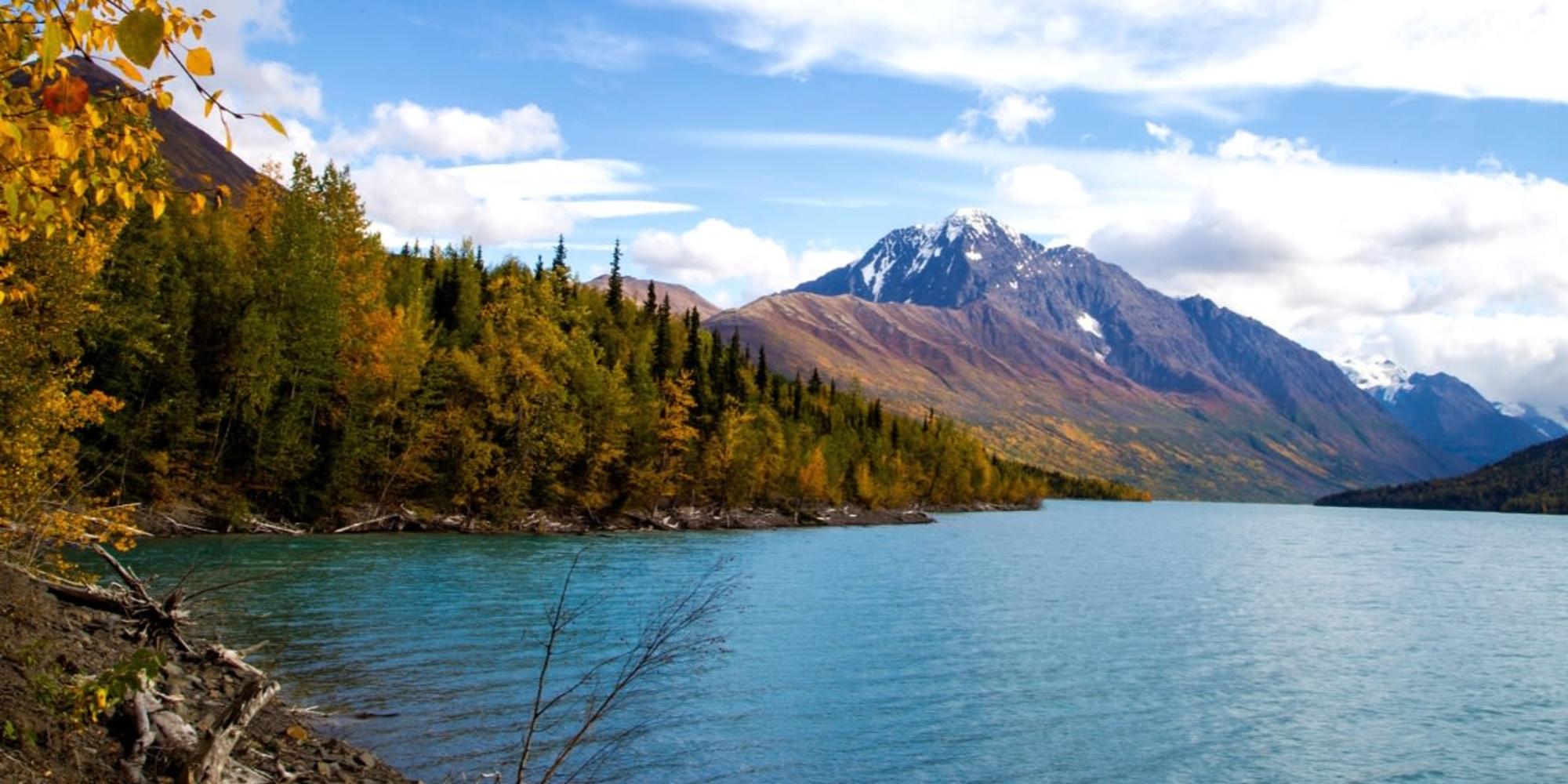
Late August and early September may be the sweet spot for travelers who want Denali to feel a little quieter and more atmospheric. The days are shorter than midsummer, the air turns crisp, and the tundra begins to glow with reds, golds, and rust-colored brush. It is still a strong time for hiking and wildlife viewing, but the energy changes. The park feels less like peak season and more like a place preparing for winter.
This is also when mosquitoes tend to be less of a concern, which can make hiking and scenic stops more comfortable. Wildlife may still be active as animals feed before colder weather settles in. The light is beautiful for photography, and darker nights bring a better chance of seeing the northern lights than in June or July, when the sky stays bright for much of the night.
September does require flexibility. The National Park Service notes that transit bus service ends the second Thursday after Labor Day each year, and fall begins when regular summer transportation wraps up. Snow is also possible in any month in Denali, though snow before mid-September often melts quickly; true winter conditions usually begin later in September or October.
For travelers who like quieter landscapes, photography, cool-weather hiking, and a little unpredictability, early September can be deeply rewarding. For travelers who want the broadest range of services and the simplest logistics, July or August may be a better fit. The later you travel into September, the more important it becomes to check current conditions, confirm lodging and transportation, and be ready to adjust.
This is where guided travel can be especially helpful. Guides can help read the day, adapt plans around weather, and make the most of shorter seasonal windows. In a place as large and changeable as Denali, that kind of support lets you spend less time troubleshooting and more time watching the park unfold.
Weather, Wildlife, and Hiking: What to Expect on the Ground
Denali weather is famously changeable. June through August are the park’s rainiest months, although summer can vary widely from year to year. Snow can fall in any month, and temperatures can shift quickly with elevation, wind, and cloud cover. The best plan is not to chase a perfect forecast. It is to pack for several kinds of weather and give yourself enough time for the park to reveal itself.
For hiking, Denali offers everything from short, accessible walks near the entrance area to longer, more demanding trails. Horseshoe Lake is a favorite for travelers who want a scenic hike with forest, water, and a good chance of spotting signs of beaver activity. Triple Lakes Trail is a more substantial option, with rolling terrain, lake views, forested stretches, and the satisfying feeling of getting away from the busier entrance area.
Denali hiking does not have to be extreme, but it does ask for attention. Trails can be uneven, muddy, rooty, or exposed to wind and rain. You do not need to be an elite athlete to enjoy hiking here, but you should be comfortable walking for a few hours, stepping over roots and rocks, and adjusting your pace to the terrain. For families and multi-generational travelers, the key is choosing hikes that match the group’s energy and leaving room for snack stops, photo stops, and wildlife pauses.
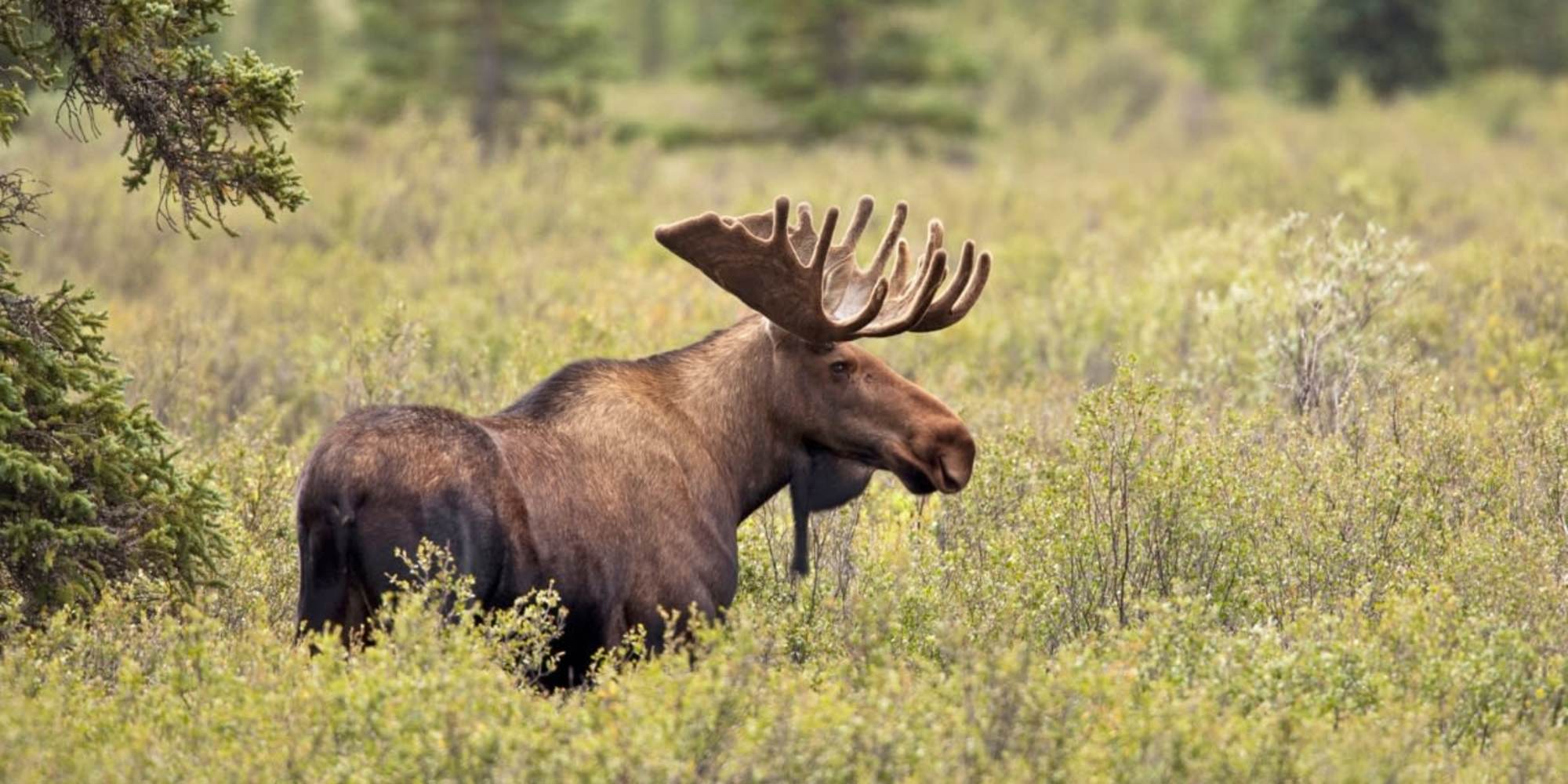
Wildlife is one of Denali’s great joys, but it is never on a schedule. Moose, caribou, Dall sheep, bears, foxes, ptarmigan, and other animals move through the landscape according to food, weather, season, and instinct. A bus ride can improve your chances of seeing wildlife because it covers more ground and lets you focus on looking rather than driving. The National Park Service suggests considering a second bus trip if maximizing wildlife viewing is a priority.
Packing well makes every part of the experience easier. Bring a waterproof jacket, warm mid-layer, quick-drying hiking clothes, comfortable shoes or boots, sun protection, insect repellent, a refillable water bottle, and a small daypack. For late August and September, add a warmer layer, hat, and gloves. In Denali, being comfortable is not about bringing everything. It is about having the right layer at the right moment.
Guided vs Independent: Which Style is Best for Denali?
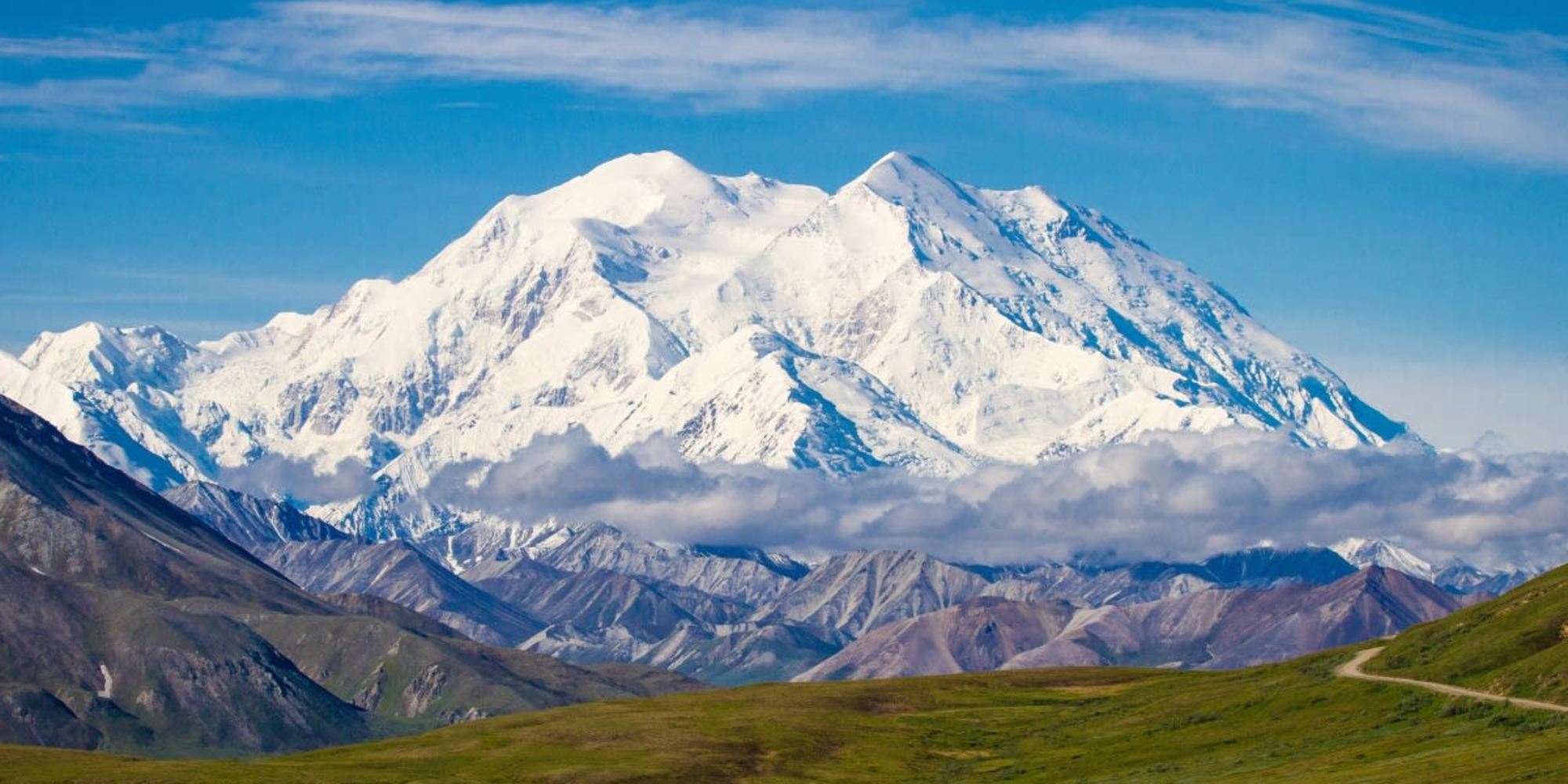
Independent travel in Denali can be rewarding if you enjoy planning, booking ahead, checking conditions, and building flexibility into each day. You will need to think through transportation, lodging, bus reservations, trail choices, food, weather, road access, and backup plans. That can be part of the fun for some travelers.
A guided trip is often a better fit if you want the wildness of Alaska without carrying every logistical detail yourself. This is especially true for first-time Alaska travelers, families, active retirees, solo travelers who enjoy small-group company, and multi-generational groups. Austin Adventures guests often value simplicity, safety, personalized service, and a dependable travel partner, especially in domestic wilderness destinations where distances and logistics can be more complex than they look on a map.
With a guided experience, the day has more room in it. Someone has already checked the timing, watched the weather, handled transportation, thought about meals, and chosen the right pace. That does not make the adventure feel less real. It often makes it feel more present. You can look out the window for moose, ask questions about the landscape, linger at a viewpoint, or enjoy the trail without wondering what comes next.
This is also where Austin Adventures’ small-group style matters. We build our trips around feeling welcoming, personal, energetic, and reassuring, with guides who help guests feel cared for while still keeping the joy of discovery at the center. In Denali, that might mean a well-timed stop, a guide’s wildlife tip, a flexible trail choice, or one of those quiet Alaska moments that becomes the story you tell when you get home.
Guided travel is not about rushing from highlight to highlight. It is about thoughtful pacing. Denali rewards travelers who slow down enough to notice the small things: fresh tracks in the mud, a sudden clearing in the clouds, the color of the tundra after rain, or the shared hush when wildlife appears in the distance.
Pairing Denali with Kenai Fjords: the Best Season for a Fuller Alaska Adventure
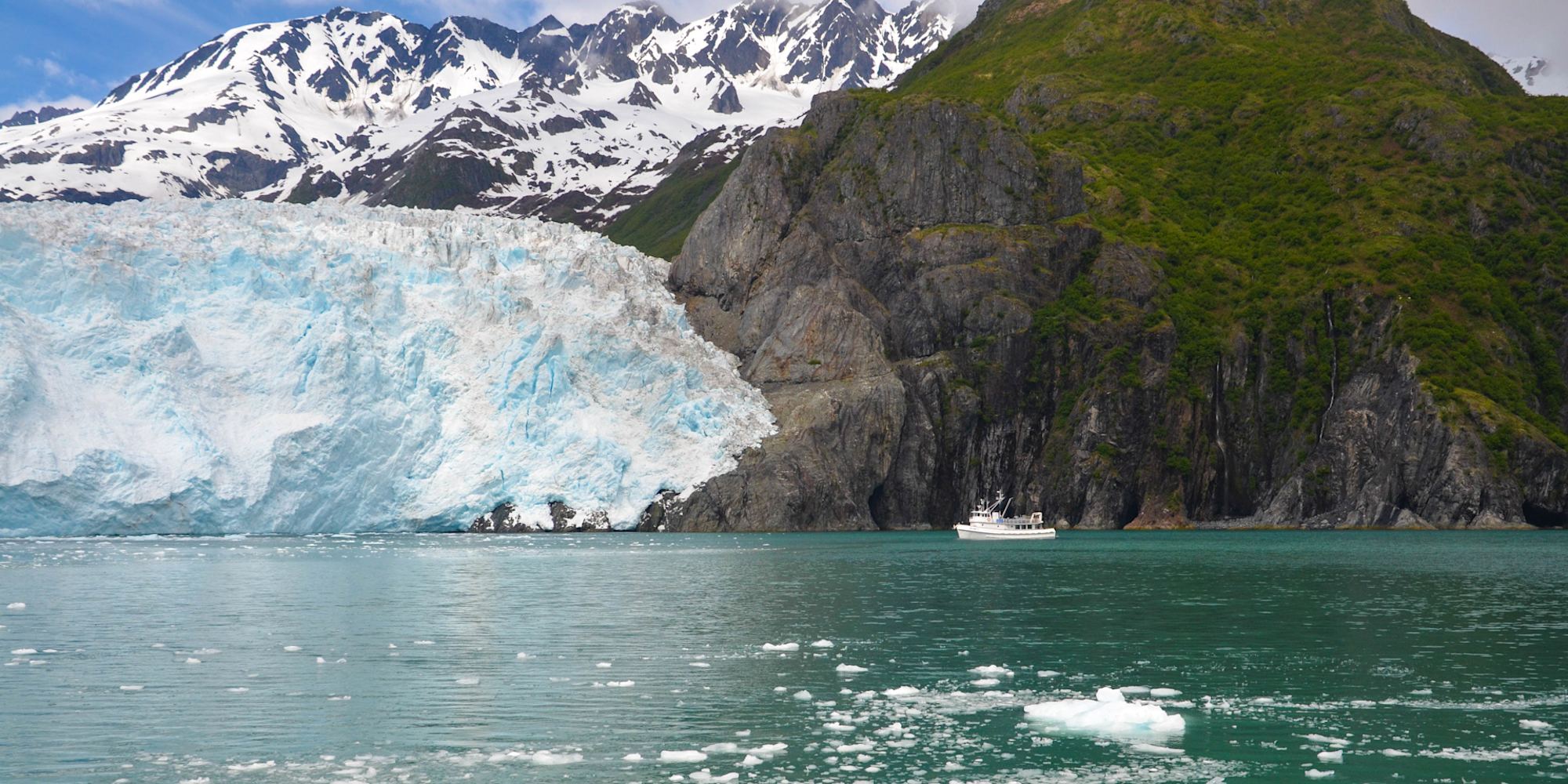
Denali is extraordinary on its own, but it becomes even more powerful when paired with the coast, glaciers, and fjords of Southcentral Alaska. A trip that connects Denali with Kenai Fjords lets you experience two very different sides of the state: the wide-open interior and the marine world of tidewater glaciers, seabirds, whales, sea otters, and mountain-backed bays.
Summer is the strongest season for this kind of combined Alaska adventure. In the Denali area, summer gives you the best access to park transportation, visitor services, and hiking. Around Seward and Kenai Fjords National Park, the season also supports wildlife cruising, kayaking, glacier viewing, and hikes near places such as Exit Glacier and the Harding Icefield Trail. On Austin Adventures’ Kenai Fjords and Denali experience, travelers encounter locations such as Resurrection Bay, Aialik Bay, Exit Glacier, Harding Icefield, Kenai River Canyon, Byers Lake, Horseshoe Lake, and Triple Lakes Trail without needing to piece together every transfer and activity on their own.
This combination works especially well for first-time Alaska travelers because it gives the trip range. Denali brings tundra, taiga, mountain views, wildlife watching, and a deep sense of scale. Kenai Fjords brings saltwater, glaciers, coastal wildlife, and the drama of ice meeting the sea. Together, they answer a bigger question than “when should I visit Denali?” They answer “how do I experience Alaska in a way that feels active, varied, and deeply memorable?”
For hikers, this pairing can also help keep the adventure fresh. It adds variety underfoot, from forested trails and lake paths to glacier viewpoints and more demanding terrain. For wildlife lovers, it broadens the possibilities from land mammals in Denali to marine wildlife along the coast.
The best time for this combined style of travel is generally June through early September, with July and August offering the most classic summer experience. Late August can be especially appealing for travelers who like a slightly quieter feel, cooler evenings, and the first hint of fall in the interior.
Find Your Denali Moment
The best time to visit Denali National Park comes down to the experience you're hoping to have. June brings endless daylight and landscapes bursting back to life after winter. July delivers the warmest temperatures and the widest range of activities, making it a lively time to explore. By late August and early September, tundra hillsides glow with fall color, mosquitoes begin to fade, and the park settles into a quieter rhythm that's perfect for slowing down and soaking it all in.
No season removes the need for flexibility. Denali is wild, and that is exactly why it stays with you. The mountain may show itself or stay hidden. Rain may sweep through and leave the air sparkling. A planned stop may become unforgettable because a caribou appears on the ridgeline or the clouds lift at just the right time.
Come with good layers, comfortable shoes, and a willingness to let the day surprise you. With the right timing and the right support, Denali is more than a national park visit. It is a chance to feel small in the best possible way, surrounded by mountains, wildlife, open sky, and the kind of quiet that follows you home.
Come explore Denali with us!
