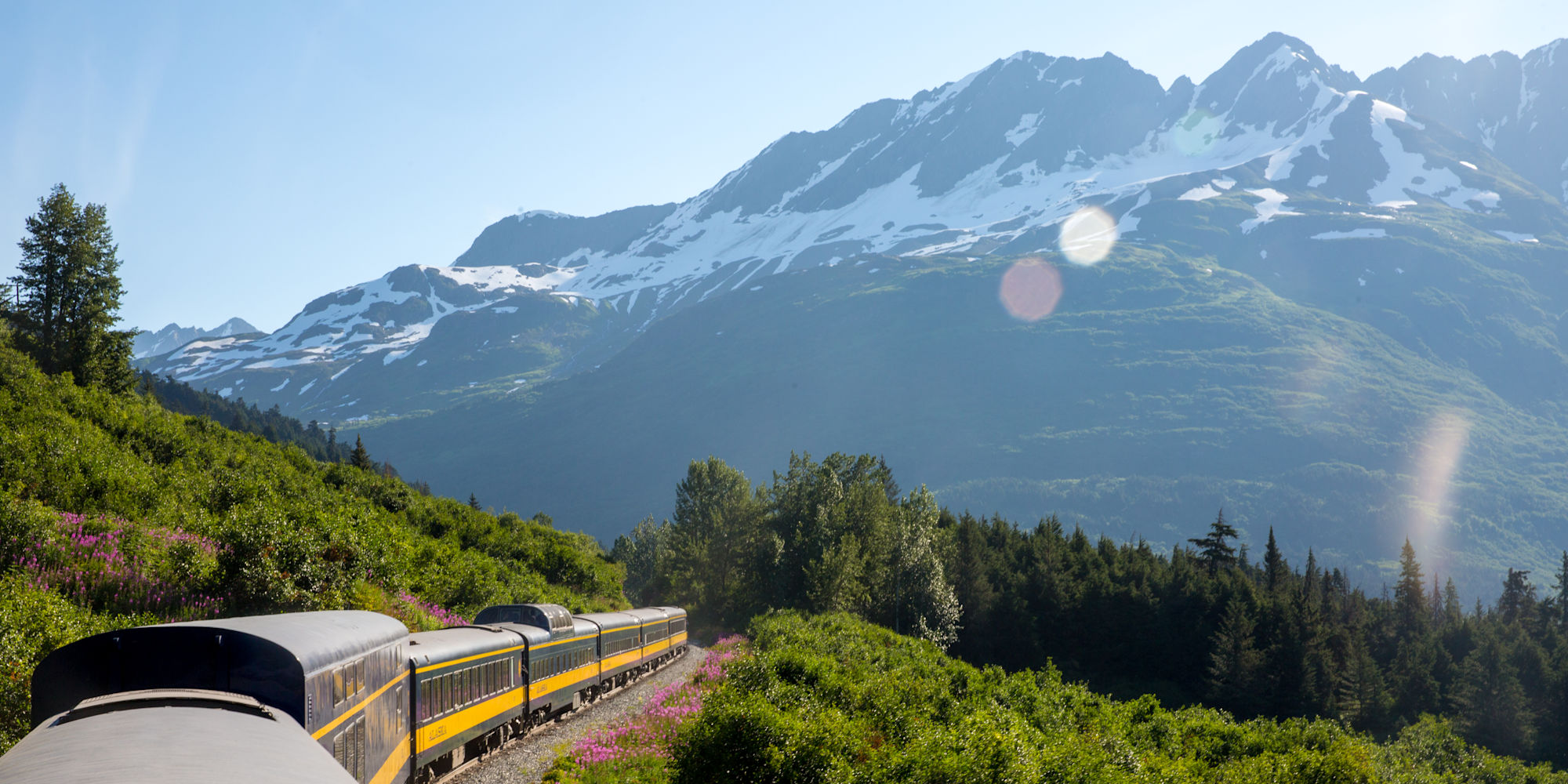
Choosing between Denali and Kenai Fjords national parks can feel like choosing between two versions of Alaska, both unforgettable. Denali is the sweeping interior: tundra, taiga, big wildlife, distant ridgelines, and the possibility of seeing North America’s tallest peak. Kenai Fjords is the coast: blue ice, saltwater, seabirds, whales, sea otters, rain-polished cliffs, and glaciers spilling toward the ocean.
So, should you visit Denali or Kenai Fjords National Park? If you want mountain wilderness, interior wildlife, scenic bus access, and a deep sense of scale, then opt for Denali. However, if you want tidewater glaciers, marine wildlife, boat-based exploration, kayaking, and coastal scenery then . For many first-time Alaska travelers, then Kenai Fjords will your best choice. You might like to visit both, because the two parks complement each other beautifully.
That is the heart of this comparison. Denali and Kenai Fjords are not interchangeable parks. They feel different under your feet, through your camera lens, and in the timetable of each day. Denali asks you to look across wide spaces and wait patiently. Kenai Fjords brings you close to water, ice, and wildlife movement. Together, they tell a fuller Alaska story.
Denali for Mountains; Kenai Fjords for Glaciers; or Both for the Full Alaska Picture
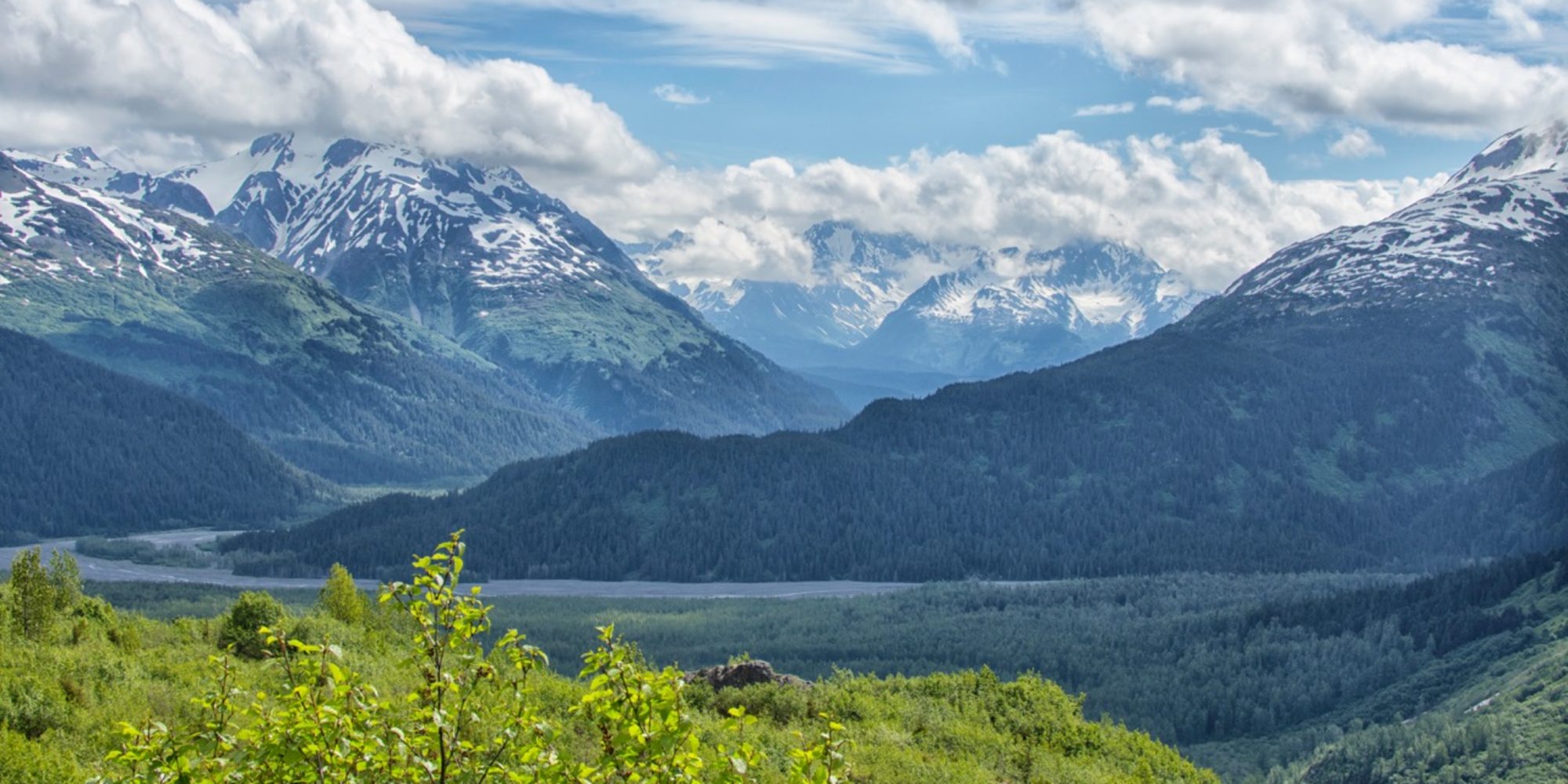
If you only have time for one park, it's best to choose based on the type of Alaska you most want to experience. Denali is the better fit if your dream is interior wilderness, sweeping views, tundra wildlife, and the chance to see “the Mountain” when the clouds allow. Kenai Fjords is perfect if your dream is coastal Alaska: tidewater glaciers, boat tours, marine wildlife, kayaking, and a lively gateway base in Seward.
For travelers who can make room for both, Denali and Kenai Fjords are stronger together than they are in competition. Denali gives you interior scale, land wildlife, tundra, and mountain atmosphere. Kenai Fjords gives you the ocean, glaciers, seabirds, marine mammals, and the sensory drama of being on the water.
Austin Adventures’ Kenai Fjords and Denali experience connects places such as Resurrection Bay, Aialik Bay, Exit Glacier, Harding Icefield, Horseshoe Lake, and Triple Lakes Trail, which helps travelers feel the contrast without having to piece the logistics together alone.
The practical answer is simple. Choose Denali for mountain wilderness. Choose Kenai Fjords for glaciers and marine wildlife. Choose both if this is your big Alaska trip and you want the state to feel wide, varied, and complete.
Denali is Best for Vast Wilderness, Tundra Wildlife, and Big Mountain Scale
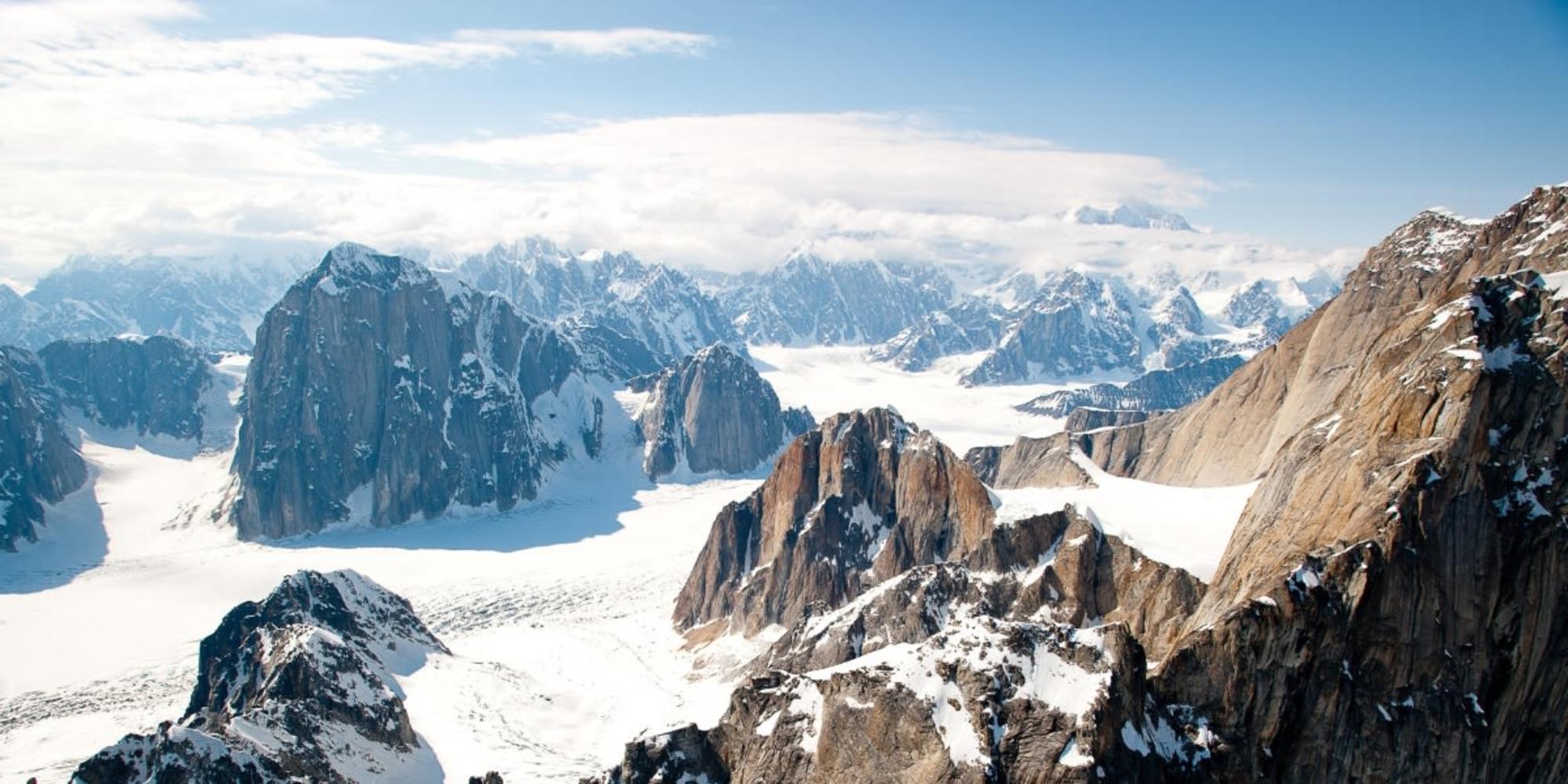
Denali is the park to choose if you want space. Not just scenic space, but the kind that makes your jaw drop a little when you step outside. The landscape feels immense: braided rivers, open tundra, spruce forest, distant ridges, and, when weather allows, Denali rising above everything with quiet authority.
This park suits travelers who like wildlife watching, mountain views, and a slower, more patient kind of adventure. Denali is not a place where you drive from attraction to attraction in the usual national park style. Much of the classic visitor experience is shaped by the Denali Park Road, bus-based sightseeing, wildlife viewing, and the patience required to let the landscape reveal itself.
Wildlife viewing opportunities can include bears, moose, caribou, Dall sheep, foxes, and smaller animals, though sightings are never guaranteed. That uncertainty is part of the experience. A good Denali day is not about checking animals off a list. It is about watching carefully, scanning the hillsides, and feeling the excitement ripple through the group when someone spots movement in the distance.
Denali also works well for travelers who want a strong sense of national park wilderness without needing to hike hard every day. A bus trip can be a major experience on its own, especially for guests who enjoy photography, wildlife, and guide or ranger interpretation. For active travelers, hikes such as Horseshoe Lake or Triple Lakes Trail add a more personal connection to the land. Triple Lakes Trail offers a longer, more secluded-feeling route, while Horseshoe Lake can be a more approachable way to stretch your legs and enjoy the park near the entrance area.
When is Denali best? Summer is the easiest season for most visitors, when park services, transportation, lodging, and guided options are strongest. This makes Denali a good fit for first-time travelers, families, active retirees, and multi-generational groups who value support and smoother logistics.
The main tradeoff is weather and visibility. Denali is famously unpredictable, and the mountain is not always visible. That can disappoint travelers who are focused only on the peak. A guide would gently shift the goal: come for the whole ecosystem, not just one view. Denali’s magic is in the sweep of the land, the quiet tension of wildlife watching, and the feeling that you are traveling through a place much larger than your plans.
Kenai Fjords is Best for Glaciers, Marine Wildlife, and Coastal Adventure
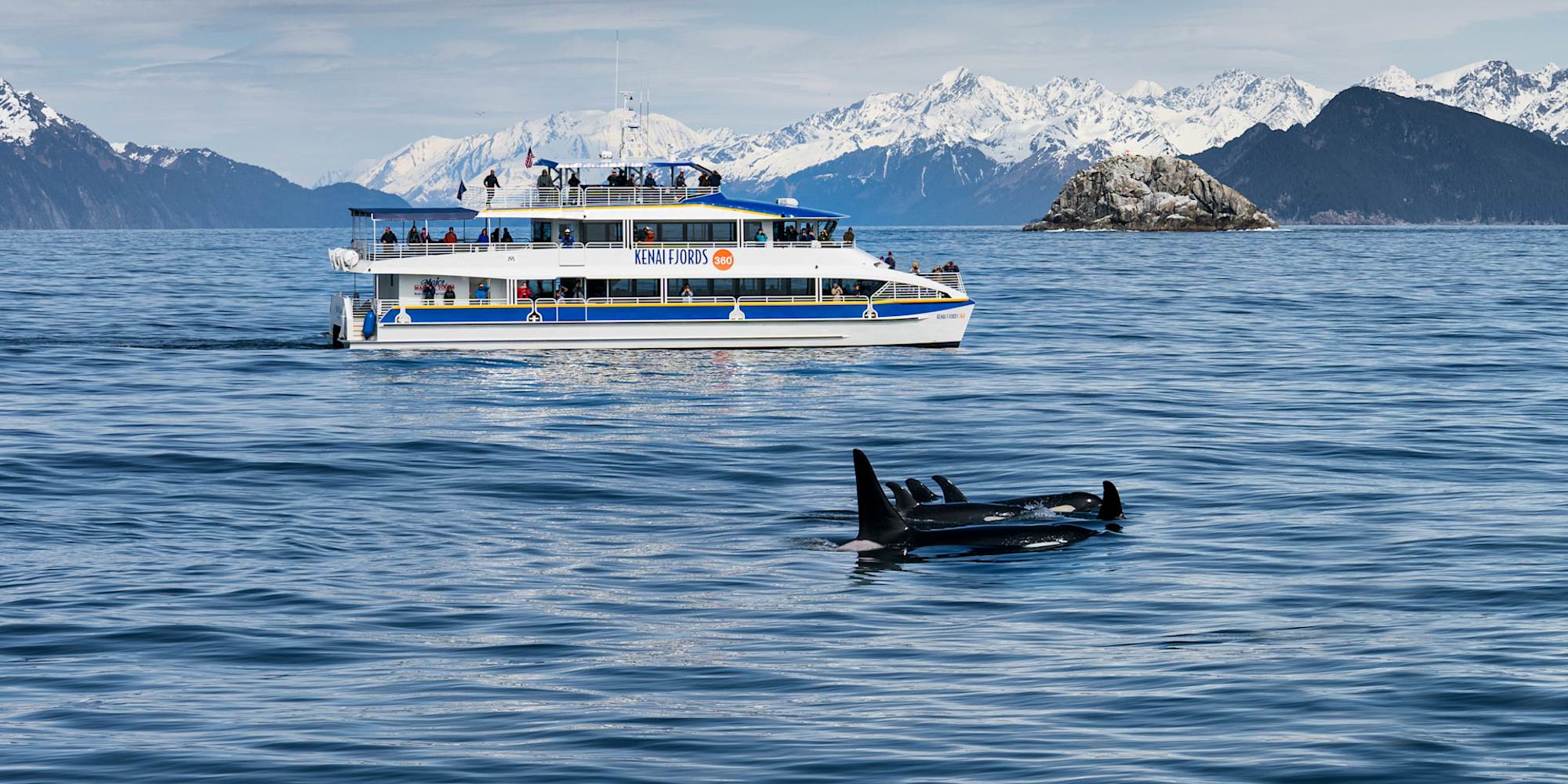
Kenai Fjords is the park to choose if you want Alaska to feel close, icy, and alive with motion. Instead of scanning tundra from a bus, you may be standing on a boat deck watching seabirds lift off the water, sea otters bob in the swell, or a glacier face glow blue beneath low clouds. This is Alaska shaped by ocean and ice.
The park is best for travelers who want marine wildlife, tidewater glaciers, coastal scenery, kayaking, and a strong Seward-based adventure. Much of Kenai Fjords is reached by water, while Exit Glacier offers the most accessible land-based glacier experience. That combination makes the park feel wonderfully varied: one day you may be on the water in Resurrection Bay or Aialik Bay, and another you may be hiking near Exit Glacier or toward the Harding Icefield.
Kenai Fjords often feels more activity-driven than Denali. A boat journey into Resurrection Bay, the Gulf of Alaska, or Aialik Bay can be the defining experience. Exit Glacier offers a clear look at the park’s glacial story on land, and strong hikers can head toward the Harding Icefield for a more challenging day. Austin Adventures’ Alaska trips also reference places such as Tonsina Creek Trail, Peterson Bay, Grewingk Glacier, and Kenai River Canyon, which shows how varied the coastal side of Alaska can be.
Kenai Fjords can be especially good for families because the experiences are vivid and varied. A wildlife cruise gives everyone something to watch for. Exit Glacier helps kids and adults understand glaciers on land. A guided kayaking experience in sheltered areas such as Peterson Bay can offer a quieter, more immersive way to feel the coast. The best family plan balances activity with comfort, especially around cold wind, boat motion, and changing weather.
The main tradeoff is that much of the park depends on water access and weather. Boat conditions matter. Rain gear matters. Seasickness planning matters. But when you are prepared, Kenai Fjords delivers the kind of sensory Alaska day that is hard to forget: salt air, glacier ice, cold wind, wildlife calls, and the soft hush that falls over a group when a whale surfaces or a glacier cracks in the distance.
Which Park is Better for Families, Hiking, Weather, and Logistics?
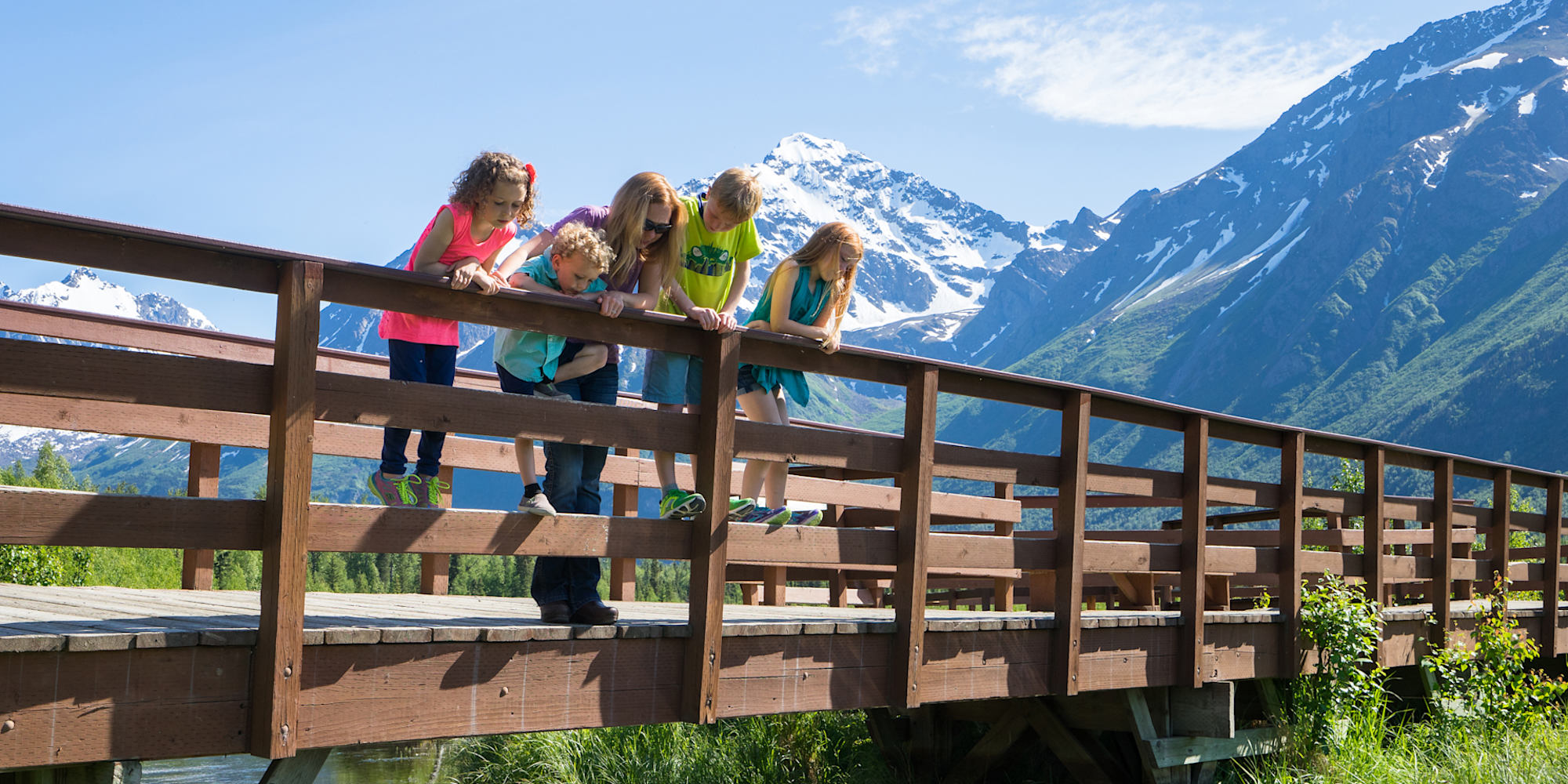
For families, Kenai Fjords is best if your family as there's the excitement of boats, marine wildlife, glaciers, kayaking, and a livelier coastal base in Seward. Younger kids may enjoy the immediacy of Kenai Fjords’ wildlife cruise and Exit Glacier area, while everyone appreciates the fun journey on the great Alaska Railway.
For hiking, Kenai Fjords offers glacier-focused hiking, especially around Exit Glacier and the Harding Icefield area. Kenai Fjords may feel more physically dramatic for hikers who want icefield views, while Denali may feel more expansive and wild for hikers who enjoy open landscapes and solitude.
For weather, both parks require flexibility, but they feel different. Denali’s weather can affect mountain visibility, wildlife movement, and hiking comfort. Kenai Fjords’ weather can affect boat routes, sea conditions, and how long you want to stand outside on deck. Neither park rewards rigid expectations. Both reward good layers, flexible plans, and a willingness to let the day unfold.
For logistics, Kenai Fjords can feel simpler if you base in Seward and focus on boat tours, Exit Glacier, kayaking, and nearby coastal adventures. Denali can feel more unusual because access into the park is largely structured around bus travel on Denali Park Road. Neither park is difficult with the right plan, but both reward early booking, good layers, and realistic pacing.
For where to stay, Seward is the natural base for Kenai Fjords, with access to the small boat harbor, the park visitor center, boat tours, kayaking, restaurants, and the road to Exit Glacier. For Denali, travelers commonly stay near the park entrance area, where lodging, services, and park transportation are concentrated in summer. In both cases, a guided trip helps reduce the number of decisions you need to manage once you are there.
Guided vs. Independent: How to Make Either Park Easier to Enjoy
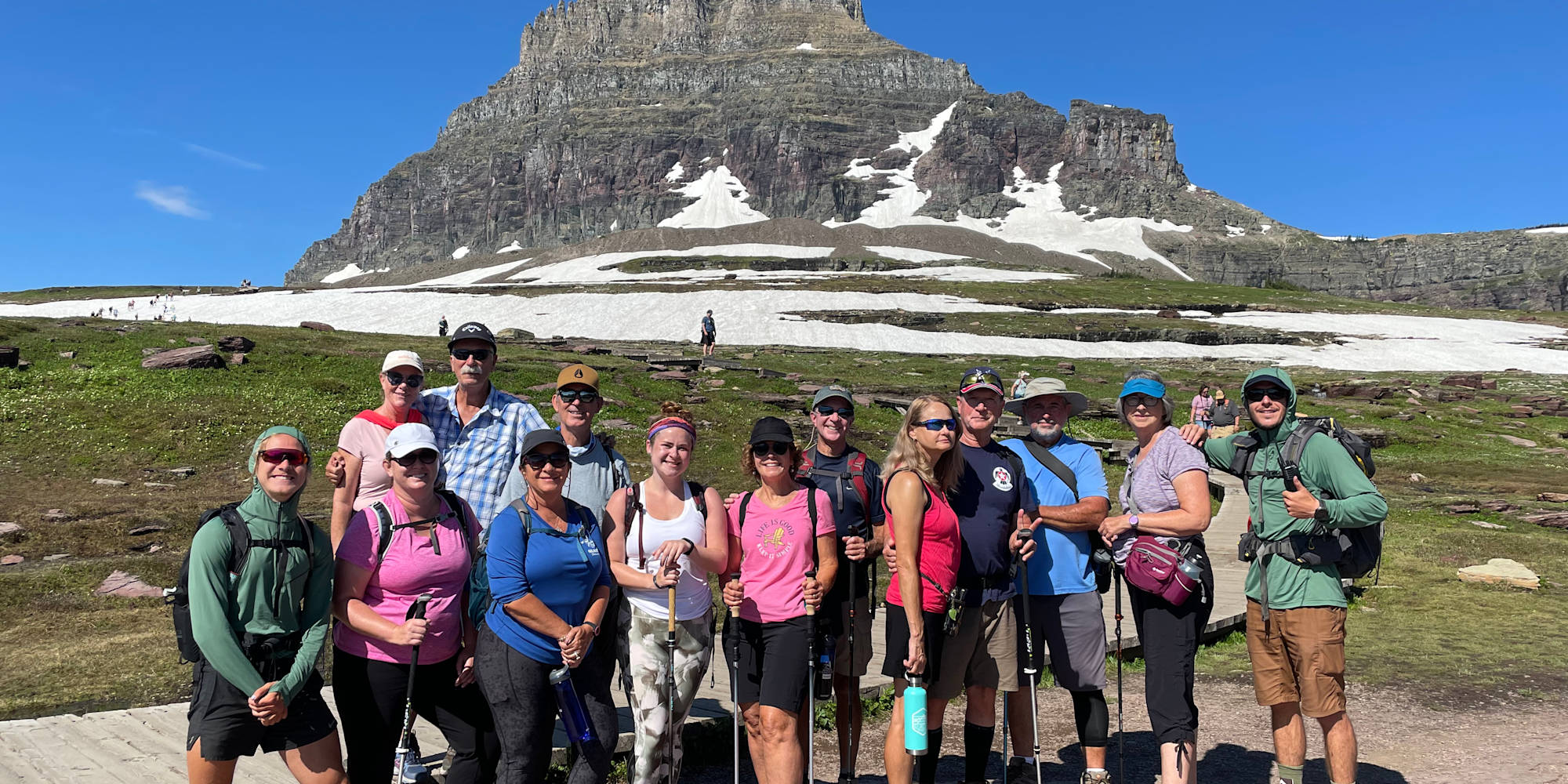
Independent travel can work well in both Denali and Kenai Fjords but you have to enjoy planning every detail. You will need to manage lodging, transportation, activity bookings, weather, road access, boat conditions, trail choices, meals, backup plans, and timing. Some travelers love that freedom. Others arrive in Alaska and quickly realize that the distances, weather, and logistics take more energy than expected.
Guided travel is best if you want Alaska to feel adventurous but not overwhelming. That is especially true for first-time Alaska visitors, families, active retirees, solo travelers who enjoy small-group camaraderie, and multi-generational groups. Austin Adventures travelers often value ease of planning, safety, personalized service, knowledgeable guides, and a dependable travel partner in national parks and wilderness destinations.
In Denali, guides can help set expectations around wildlife, weather, trail choices, and the rhythm of the park. They can make a bus day feel richer, a hike feel better matched to the group, and a cloudy day feel like part of the experience rather than a setback. In Kenai Fjords, guide support can help with layers, seasickness planning, weather calls, hiking decisions, kayaking confidence, and understanding what you are seeing on the water or near the ice.
The biggest benefit is connection. Denali and Kenai Fjords are both extraordinary, but they can feel like separate puzzle pieces if you are trying to stitch them together yourself. A guide-led small-group trip helps connect the story: ocean to icefield, glacier to tundra, wildlife cruise to mountain trail, Seward harbor to Denali’s wide interior.
This is where Austin Adventures’ voice and brand promise matter. The experience should feel welcoming, thoughtful, personal, and never overproduced. Guests should feel looked after, but still fully immersed in the wonder of the place. Alaska is a powerful place to build meaningful connections with each other and the world around us.
The Best Alaska National Park is the One that Matches Your Sense of Wonder
Denali and Kenai Fjords are both worth visiting, but they cater for different dreams. Denali is for travelers drawn to vastness: tundra, mountain views, land wildlife, quiet roads, and the feeling of being in a landscape bigger than language. Kenai Fjords is for travelers drawn to motion: tidewater glaciers, seabirds, whales, sea otters, boat decks, kayak strokes, and the salt-air drama of Alaska’s coast.
Choose Denali if the idea of interior wilderness makes your heart lift. Choose Kenai Fjords if you want glaciers and marine wildlife close enough to feel the cold coming off the water. Choose both if you want the richest first-time Alaska experience and enough contrast to understand why this state stays with people long after they return home.
With Austin Adventures, the choice does not have to feel stressful. The details are handled, the pace is thoughtful, and the guides help each park come alive in its own way. You bring curiosity, good layers, and a willingness to be surprised. Alaska will take care of the rest.
Why choose when you can have both? Explore both parks with Austin Adventures on the Kenai Fjords & Denali Adventure. Or if just want to visit Kenai Fjords, or want to bring the kids, check out our Kenai Fjords Adventure or the Kenai Fjords Family Vacation.
Written by Madeline Miller, part of the Austin Adventures team, with insight from a company that’s been creating guided adventure vacations in our National Parks since 1985.