There’s a moment in Yellowstone when the whole park seems to breathe. Steam drifts across a boardwalk in the cool morning air. A bison lifts its head in a wide valley. Somewhere in the distance, a geyser begins to rumble before sending a white plume into the sky. You stop walking, maybe without meaning to, because Yellowstone has a way of making even seasoned travelers feel wonderfully small.
So, how do you plan a trip to a place this big, this wild, and this full of possibilities?
Yellowstone National Park is best planned by season, region, and travel style. First-time visitors should allow several days to experience the park’s geysers, hot springs, waterfalls, wildlife valleys, scenic drives, and approachable hikes without feeling rushed. The easiest time for a classic Yellowstone trip is generally June through September, when most roads, lodging, and visitor services are open, though May and October can be rewarding for quieter shoulder-season travel. Yellowstone’s services are more limited from early November through late April, and road access changes significantly in winter.
Yellowstone is also larger than many first-time visitors expect. The park covers nearly 3,500 square miles, has five entrance stations, and can take many hours to drive across, especially with wildlife traffic, weather, road work, and scenic stops along the way.
That’s part of the adventure. With the right plan, Yellowstone becomes less of a checklist and more of a journey: geyser basins in the morning, canyon views by afternoon, wildlife at dusk, and that satisfying feeling of ending the day full of fresh air and stories.
In this guide, we’ll walk through the best time to visit Yellowstone, what first-timers should see, how active the trip can be, where to stay, what to pack, and why a guided Yellowstone vacation can help you experience the park with more ease, insight, and joy.
Why Yellowstone National Park belongs on your travel list
Yellowstone is not just a national park with one famous geyser. It’s a living, steaming, wildlife-filled landscape with a little bit of everything: geysers, hot springs, mudpots, waterfalls, forests, lakes, meadows, canyons, and some of the best wildlife watching in the lower 48.
Established on March 1, 1872, Yellowstone was the world’s first national park, protected so people could experience its hydrothermal wonders and wild landscapes for generations to come. Today, it remains one of the most extraordinary places in North America for travelers who want nature, activity, scenery, and discovery all in one trip.
One of the biggest reasons to visit is the park’s geothermal activity. Yellowstone is home to more than 10,000 hydrothermal features, including geysers, hot springs, mudpots, and fumaroles, and contains more than half of the world’s active geysers.
But the park’s magic goes well beyond steam and stone.
Yellowstone’s wildlife is just as memorable as its geysers. The park is home to nearly 300 bird species and 67 mammal species, including bison, elk, wolves, bears, pronghorn, bighorn sheep, and more. For many travelers, seeing bison move across Hayden Valley or watching for wolves in Lamar Valley becomes the moment they talk about long after they’re home.
For first-time visitors, the best Yellowstone trips usually combine:
- Classic geothermal areas like Old Faithful, Upper Geyser Basin, and Grand Prismatic Spring
- Wildlife viewing in Hayden Valley and Lamar Valley
- Waterfall and canyon viewpoints at the Grand Canyon of the Yellowstone
- Scenic time around Yellowstone Lake
- Short hikes, boardwalk walks, and viewpoints
- A flexible plan that leaves room for weather, wildlife, and unplanned wonder
This is where Yellowstone rewards travelers who slow down a little. Yes, you’ll want to see the icons. But some of the best moments happen between the famous stops: a quiet pullout at sunrise, a guide pointing out animal tracks near the trail, or a family pausing together as steam rises through the trees.
Austin Adventures note: Yellowstone is a natural fit for travelers who want the ease of a well-planned trip with the feel of a real adventure. Austin Adventures’ brand is rooted in meaningful connections, small-group travel, detailed planning, and helping guests feel looked after while they experience the outdoors fully.
When is the best time to visit Yellowstone?
The best time to visit Yellowstone depends on what kind of trip you want.
For most first-time visitors, June through September is the most reliable window for a classic Yellowstone vacation. During these months, most park roads, lodging, campgrounds, activities, and visitor services are generally open. Summer also brings long days, warmer weather, and the easiest access to the park’s major regions.
That said, there isn’t one perfect month for everyone.
May can be wonderful for wildlife and spring energy, though snow may linger and some services may still be opening. June brings strong waterfalls, active wildlife, and greener landscapes. July and August offer the warmest weather and fullest access, but they are also the busiest months. September is a favorite for many travelers who like cooler mornings, golden light, and a calmer feel after peak summer. October can be beautiful and quiet, but weather, road access, and services become more limited as the park moves toward winter.
Best months for Yellowstone highlights
May: Spring wildlife, bison calves, bears emerging, fewer crowds, and lingering snow at higher elevations.
June: Waterfalls at strong flow, wildflowers, active wildlife, and generally broad road access.
July and August: Warmest weather, long days, full services, and the busiest visitor season.
September: Cooler temperatures, fewer families traveling after summer break, fall color, and elk rut activity.
October: Quieter travel, crisp air, possible snow, and increasingly limited services and access.
Winter: A magical, snowy, quieter park experience, but regular vehicle access is limited and travel requires more specialized planning.
Yellowstone weather deserves special attention. Most of the park sits above 6,000 feet, and the National Park Service notes that visitors should expect big temperature swings, rain, or snow during any month of the year.
That means packing for Yellowstone is not just about the month on the calendar. It’s about being ready for mountain weather.
A sunny summer morning can turn into an afternoon thunderstorm. A warm overlook can feel chilly when the wind picks up. September can feel like summer at midday and fall by dinner. The better prepared you are, the easier it is to relax and enjoy the day.
Who each season suits best
Spring suits: Wildlife lovers, photographers, flexible travelers, and those who don’t mind some limited access or cooler weather.
Summer suits: First-time visitors, families, multigenerational groups, and travelers who want the broadest range of activities and services.
Fall suits: Adult travelers, couples, photographers, wildlife watchers, and anyone who enjoys crisp air and a slightly quieter park.
Winter suits: Travelers looking for a specialized snow adventure, fewer people, and a very different Yellowstone experience.
For a first Yellowstone Adventure, summer and early fall are often the easiest places to start. For a guided trip, the benefit is that you don’t have to make every timing decision yourself. Your guides can shape the day around weather, road conditions, crowd patterns, and the group’s pace.
What should first-time visitors see in Yellowstone?
A first trip to Yellowstone should include a mix of geysers, wildlife areas, waterfalls, scenic drives, and manageable hikes or walks. You don’t need to see every corner of the park to have an unforgettable experience. In fact, trying to see too much can make the trip feel more like a race than an adventure.
The better approach is to focus on the park’s major regions and give yourself enough time to enjoy them.
Old Faithful and the Upper Geyser Basin
Old Faithful is famous for a reason. It’s reliable, dramatic, and easy to include in a first Yellowstone itinerary. But the area around it is just as important. The Upper Geyser Basin is filled with boardwalks, colorful pools, steaming vents, and additional geysers that help you understand just how alive this landscape is.
Geyser activity changes over time, so visitors should use current park resources for eruption information when planning their day.
Grand Prismatic Spring
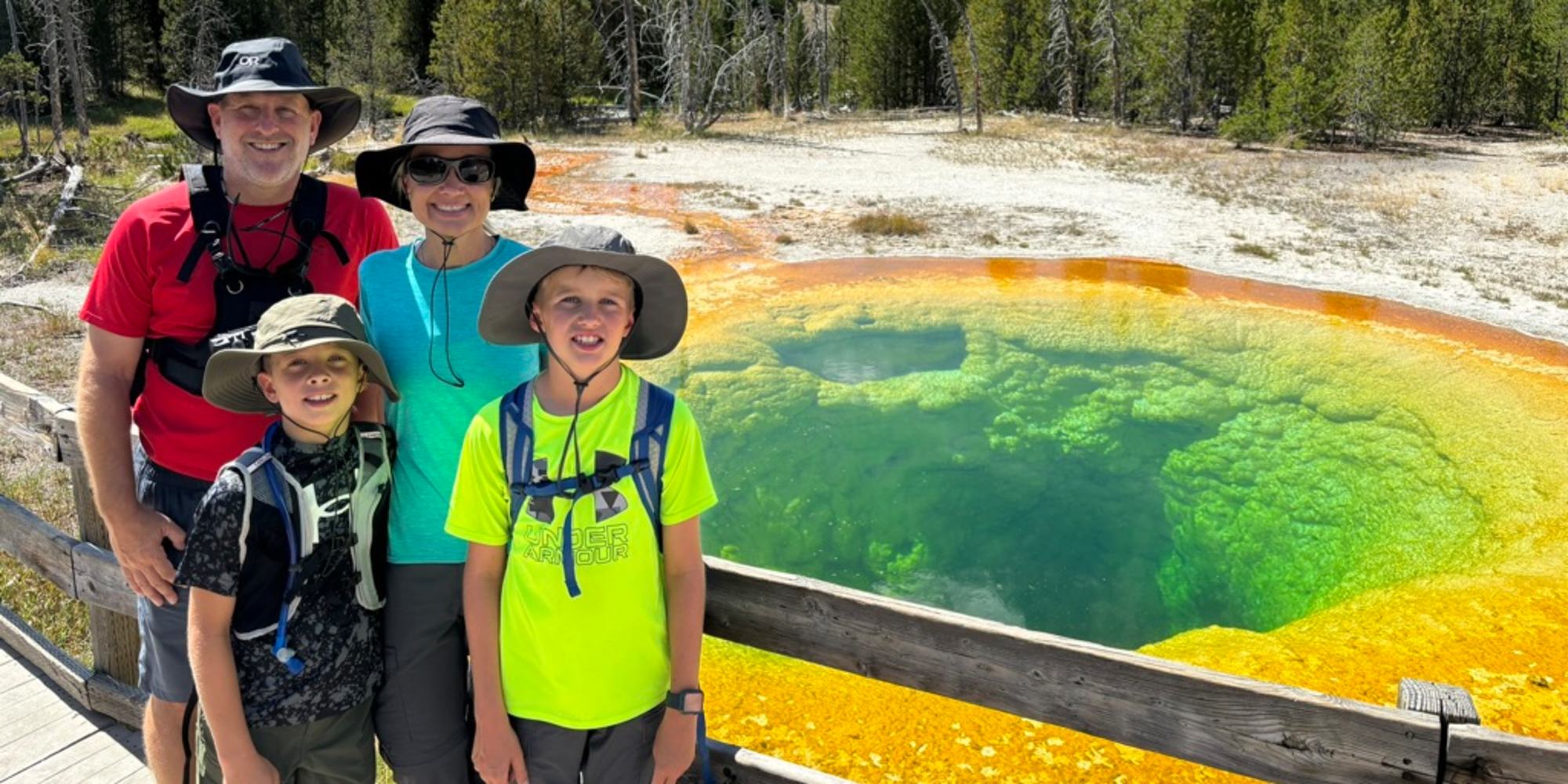
Grand Prismatic Spring is one of Yellowstone’s signature sights. Its bright blue center and bands of orange, yellow, and green make it feel almost unreal. The boardwalk gives you a close look at the thermal area, while the overlook trail offers the wider view many travelers recognize from photos.
Go with patience. This is a popular stop, and steam, light, and crowds can all affect the experience. Sometimes the best view comes from waiting a few extra minutes.
Grand Canyon of the Yellowstone
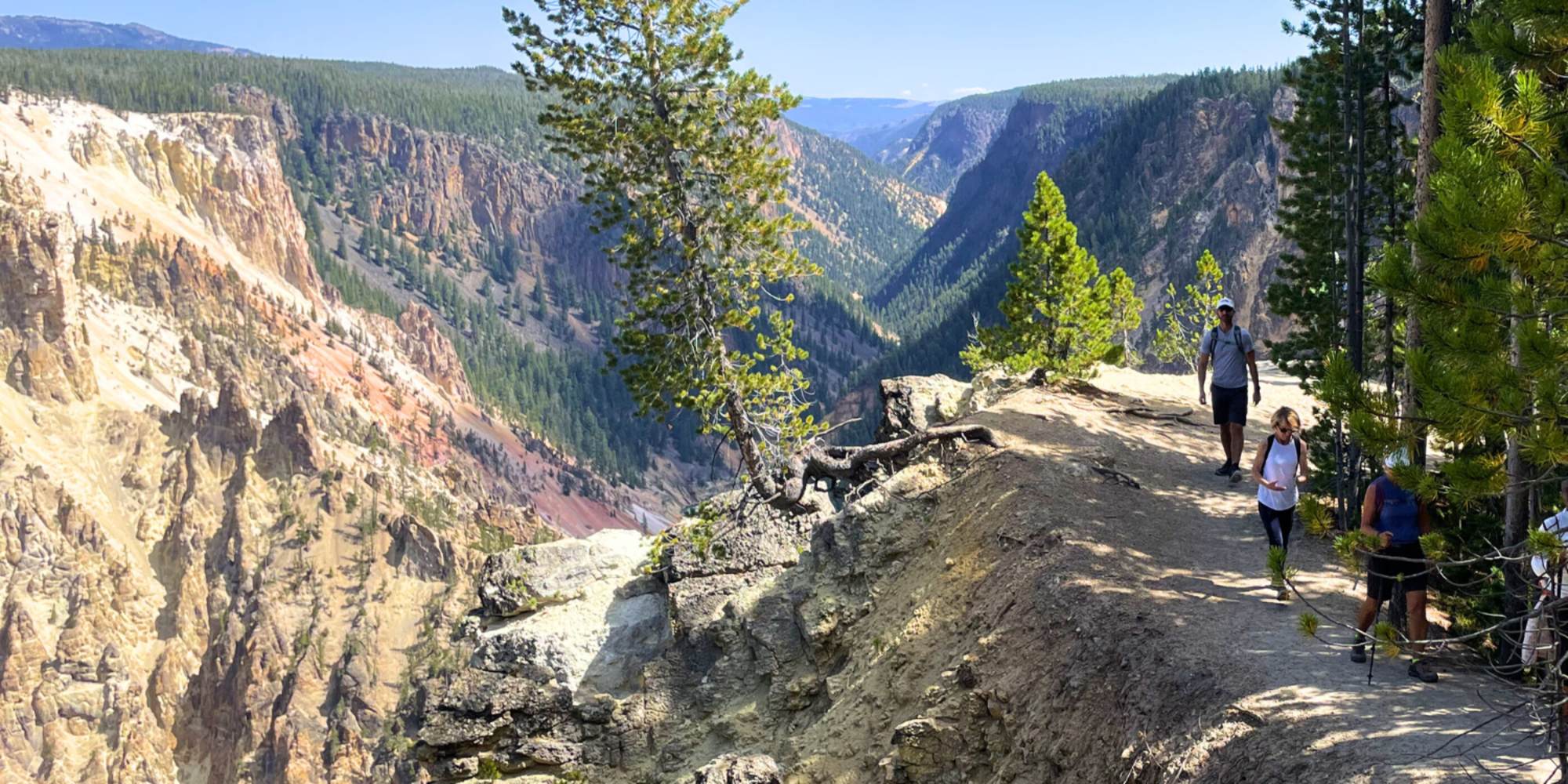
The Grand Canyon of the Yellowstone adds drama to the trip. Here, the Yellowstone River cuts through golden canyon walls, with waterfalls plunging into the gorge below. It’s one of the park’s best places for viewpoints, photography, and short walks.
This is also a helpful reminder that Yellowstone is not only about geysers. The park’s landscapes change constantly, from steaming basins to roaring water to quiet forested paths.
Hayden Valley and Lamar Valley
If wildlife is high on your list, Hayden Valley and Lamar Valley should be part of the plan.
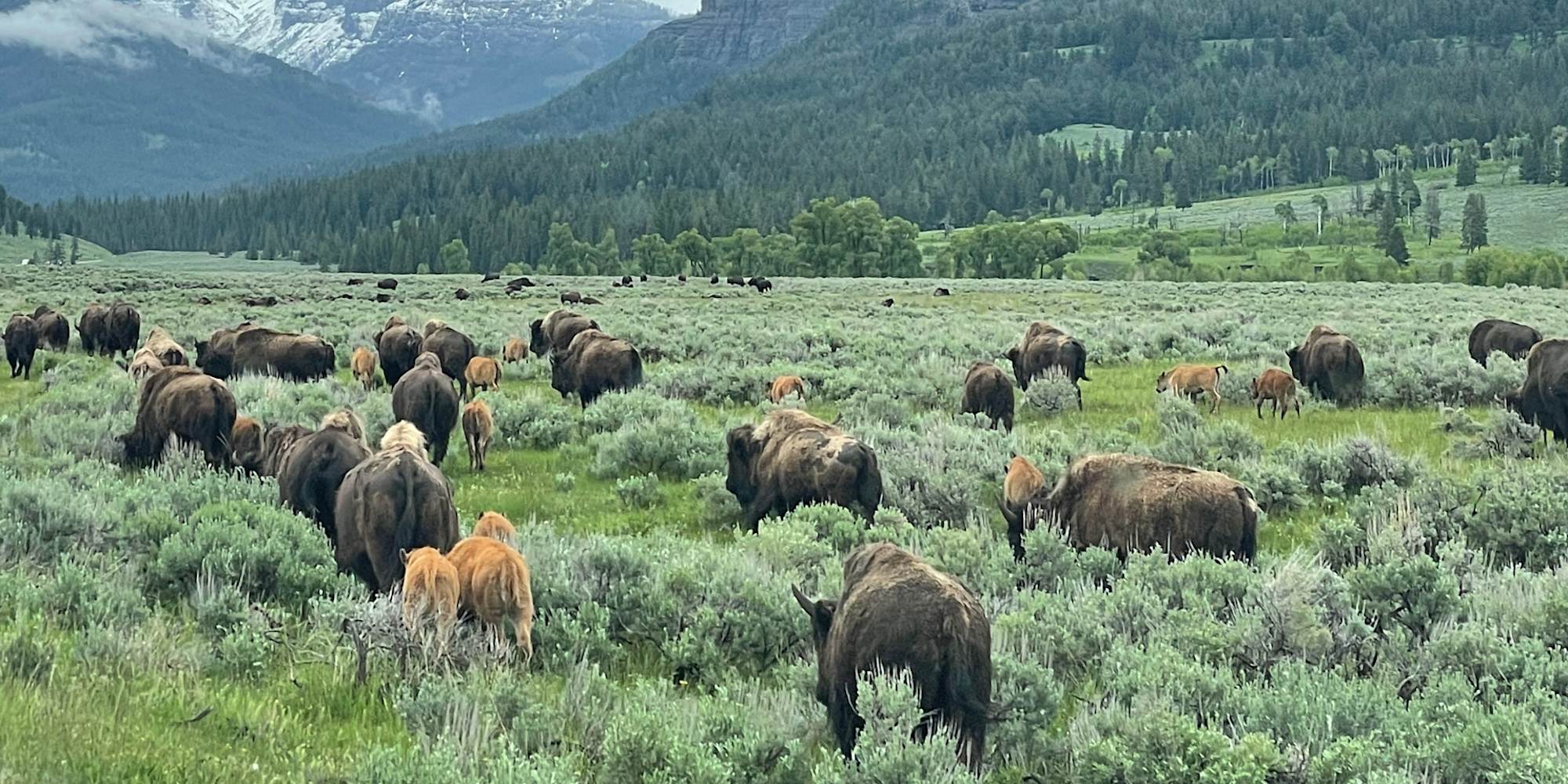
These broad valleys are among the best places in the park to look for bison, elk, wolves, bears, birds of prey, and other wildlife. Sightings are never guaranteed, and that’s part of what makes them special. Early morning and evening are often especially rewarding times to watch.
Bring binoculars, keep your distance, and give yourself time. Wildlife viewing is not something to rush.
Mammoth Hot Springs
Mammoth Hot Springs feels different from the geyser basins. Its travertine terraces create sculpted, pale formations that seem to shift and change over time. It’s a fascinating stop for geology lovers and a good addition if your route includes the park’s northern section.
Yellowstone Lake
Yellowstone Lake brings a quieter, more spacious rhythm to the trip. It’s a beautiful place to slow down, take in big views, enjoy a picnic-style pause, or simply feel the scale of the park. The lake also sits at high elevation, so conditions can feel cool even when other areas are warmer.
How to plan your sightseeing days
Instead of bouncing from one far-flung sight to another, group your days by region. Yellowstone’s driving distances are significant, and wildlife traffic can slow travel at any time. The National Park Service recommends checking current road status and conditions before and during a visit.
A smart first-time Yellowstone plan might include:
- One day focused on Old Faithful, Upper Geyser Basin, and Grand Prismatic Spring
- One day focused on Grand Canyon of the Yellowstone and Hayden Valley
- One day focused on Lamar Valley, Mammoth Hot Springs, or the northern park
- One flexible day for Yellowstone Lake, hiking, wildlife viewing, or a favorite area you want to revisit
On a guided Yellowstone trip, this regional planning is built in. You’re not guessing how long each drive will take or whether a stop is worth it. You can settle into the day, ask questions, and enjoy the park with someone else managing the moving pieces.
How active is a Yellowstone trip?
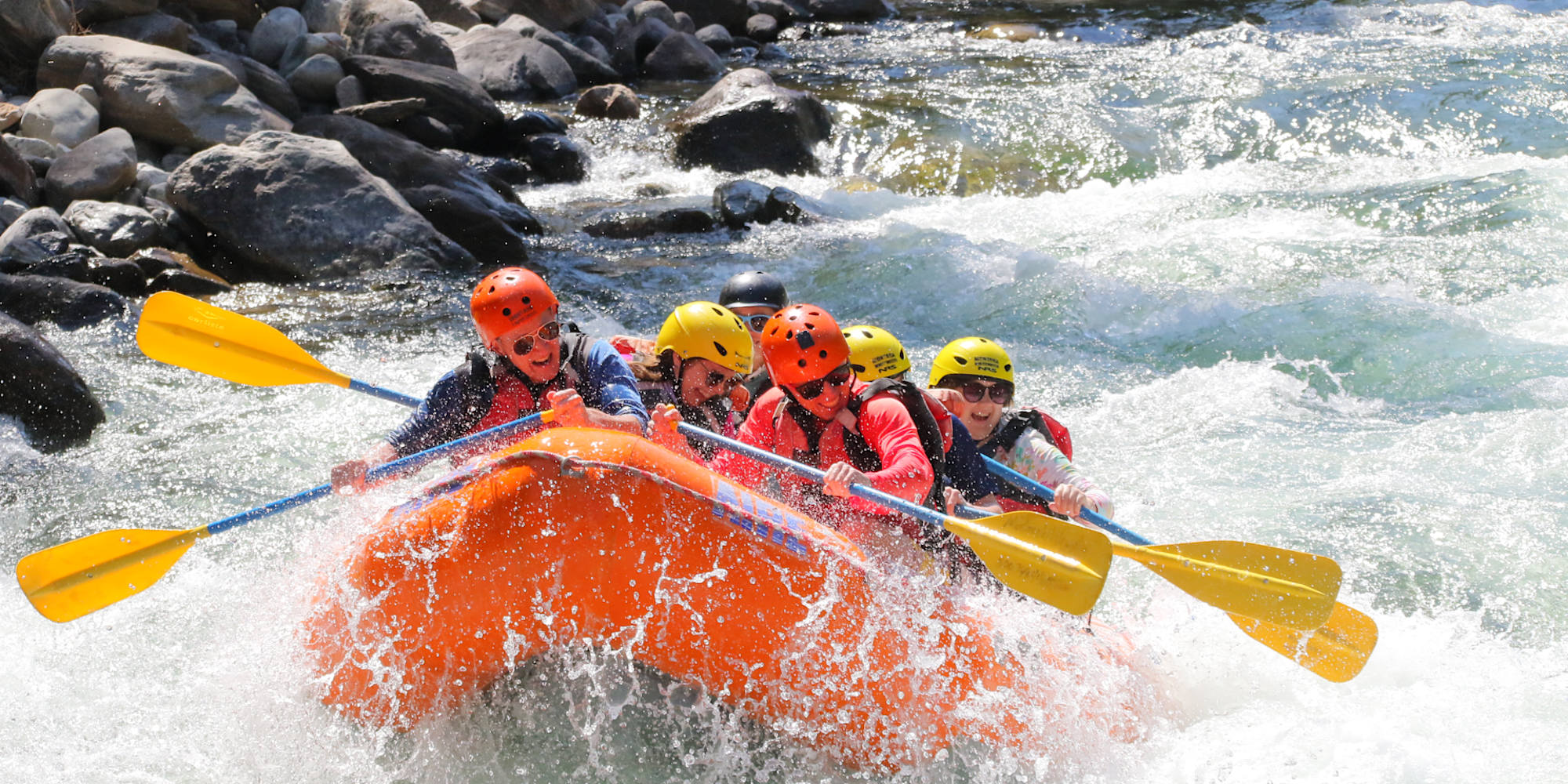
A Yellowstone trip can be gentle, active, or somewhere comfortably in between.
That’s one of the reasons it works so well for families, couples, and multigenerational groups. Many of the park’s most iconic sights are reached by boardwalks, overlooks, short trails, and scenic pullouts. Travelers who want more activity can add longer hikes, biking, rafting outside the park, paddling, or additional trail time depending on the itinerary.
For most first-time visitors, Yellowstone is less about extreme adventure and more about active discovery. You might walk boardwalks through geyser basins in the morning, hike to a viewpoint before lunch, watch wildlife in the afternoon, and end the day with a relaxed dinner and a camera roll full of steam, sky, and bison.
Typical Yellowstone terrain
Expect a mix of:
- Boardwalks through thermal areas
- Paved and packed walking paths
- Forested trails
- Rolling meadow and valley terrain
- Canyon overlooks
- Lakeshore areas
- Stairs or short climbs at some viewpoints
- Uneven ground on hiking trails
Travelers should also remember that much of Yellowstone is at elevation. Even moderate walks can feel a little more tiring than expected, especially on the first day. Hydration, pacing, sun protection, and layers all matter.
Is Yellowstone good for families?
Yes. Yellowstone is one of the best national parks for curious kids and teens because it feels alive. Geysers erupt. Mud pots bubble. Bison walk by. Waterfalls roar. The landscape gives families something to talk about all day.
The key is pacing.
Children, parents, and grandparents all tend to have a better experience when the day includes variety: a short walk, a wildlife stop, a picnic, a scenic viewpoint, a little downtime, and maybe one “wow” moment that no one saw coming.
Austin Adventures’ trips are perfect for families and multigenerational travelers who value ease, safety, expert support, and a well-paced itinerary. That makes Yellowstone especially well suited to a guided family adventure, where no one person has to be in charge of every map, meal, route, and timing decision. Check out our Yellowstone Family Vacation, or combine Yellowstone with Grand Teton on the Yellowstone & Grand Teton Family Vacation. For families who want to experience the national park with more of Montana, check out the Yellowstone, Big Sky & Paradise Valley Family Vacation.
What should you pack for Yellowstone?
Packing well can make the difference between a good Yellowstone day and a great one.
Bring:
- Comfortable walking shoes or light hiking shoes
- Moisture-wicking layers
- A warm fleece or insulated layer
- Rain jacket
- Sun hat and sunglasses
- Sunscreen
- Refillable water bottle
- Daypack
- Binoculars for wildlife viewing
- Camera or phone with extra battery power
- Snacks for longer park days
- Any personal medications
- Light gloves and a beanie for shoulder-season mornings
- Swimsuit if your accommodations or itinerary include water-based downtime
Most importantly, pack flexibility. Yellowstone is wild. Weather changes, wildlife causes traffic, geysers operate on their own schedule, and the best moment of the day might not be the one you planned.
Wildlife and thermal safety
Yellowstone’s beauty comes with real responsibility. Thermal areas can be dangerous, and visitors should stay on boardwalks and marked trails. Wildlife should always be viewed from a safe distance. The National Park Service emphasizes that Yellowstone is a wild place with hazards that may be unfamiliar to visitors, including thermal features, wildlife, driving conditions, and fast-changing weather.
A good rule of thumb: admire wildlife with your eyes, binoculars, and camera zoom. Never approach animals for a photo.
Where should you stay, and how do you get around?
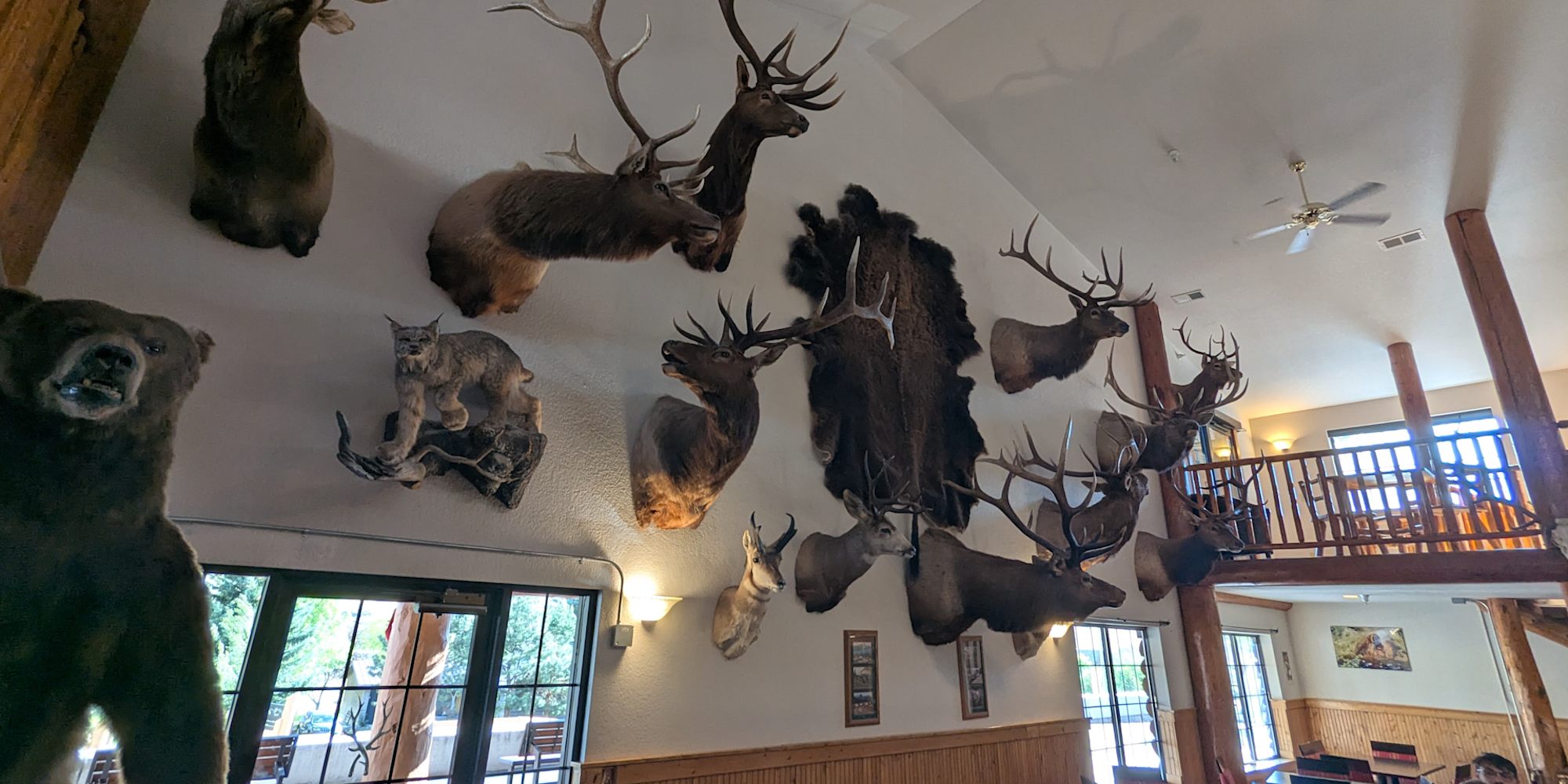
Yellowstone lodging and transportation are two of the biggest planning decisions for first-time visitors.
Staying inside the park can reduce drive time and create a classic national park feel, but rooms often book far in advance. Staying outside the park in gateway communities can offer more lodging and dining variety, but it may add time on the road each day.
Common Yellowstone gateway areas include:
- West Yellowstone, Montana
- Gardiner, Montana
- Cody, Wyoming
- Jackson, Wyoming
- Cooke City and Silver Gate, Montana
- Big Sky or Paradise Valley for some regional itineraries
The right base depends on your entrance, travel dates, trip length, and whether you’re pairing Yellowstone with Grand Teton National Park or other parts of Montana and Wyoming.
How do you get around Yellowstone?
Most independent visitors explore Yellowstone by car. That gives flexibility, but it also means the driver is managing navigation, road updates, parking, wildlife traffic, weather, and timing.
That can be a lot, especially in a park where a “short” drive on the map may take much longer than expected.
Before traveling, visitors should check road status, seasonal road opening and closing dates, road construction, and current conditions. Road statuses can change quickly due to weather and other restrictions.
Is a guided Yellowstone trip worth it?
For many travelers, yes.
A guided Yellowstone trip is especially worthwhile if you want to experience the park without spending hours comparing lodging, routes, meal stops, road updates, driving times, trail options, and wildlife-viewing strategies.
A guided trip can help with:
- Smart daily timing around crowds and wildlife movement
- Easier logistics, including transportation and lodging planning
- Local insight into geology, wildlife, history, and park ecology
- Flexible adjustments for weather and group pace
- Family-friendly pacing
- A small-group atmosphere with like-minded travelers
- More time enjoying the park and less time managing the details
This is where Austin Adventures’ style fits naturally. The brand’s purpose is rooted in building meaningful connections with each other and the world around us, with carefully planned outdoor experiences that help guests feel looked after while still enjoying the wonder of adventure.
On a guided Yellowstone adventure, you’re not just checking off sights. You’re traveling with people who understand how the park moves throughout the day. They know when to start early, when to linger, when to shift the plan, where to watch safely, and how to make the experience feel personal.
That guide support matters in a place like Yellowstone. The park is vast, popular, weather-sensitive, and full of small decisions. Having someone else handle the details gives you more room to notice the steam rising off the boardwalk, the color in the canyon walls, the shape of a wolf through binoculars, or the grin on your kid’s face when Old Faithful finally erupts.
So, how should you plan your Yellowstone trip?
Start with the season. Then choose your travel style.
For the easiest first-time Yellowstone experience, look to June through September, when access and services are generally strongest. Choose May if you’re excited about spring wildlife and don’t mind some limitations. Choose September or early October if you like cooler weather, fall color, and a quieter feel. Consider winter only if you’re ready for a more specialized snow-based adventure.
Next, give yourself enough time. Yellowstone is not a park to squeeze into one rushed day. Three to four days is a better starting point for first-time visitors, and longer is even better if you want to hike, watch wildlife, explore multiple regions, or pair the trip with Grand Teton.
Then, plan by region. Group nearby sights together, leave space for delays, and remember that wildlife jams are part of the Yellowstone rhythm.
Finally, decide how much planning you want to do yourself. Independent travel can be rewarding if you enjoy logistics. A guided Yellowstone trip is ideal if you want expert support, small-group connection, thoughtful pacing, and the freedom to be fully present.
However you visit, Yellowstone has a way of staying with you.
Maybe it’s the sound of a geyser before it erupts. Maybe it’s the hush of a valley at sunset. Maybe it’s the surprise of realizing your family has gone quiet, not because anyone is bored, but because the view in front of you is bigger than words for a minute.
That’s the heart of Yellowstone. It’s not just a place to see. It’s a place to feel awake, connected, and grateful to be outside.
Written by Madeline Miller, part of the Austin Adventures team, with insight from a company that’s been creating guided adventure vacations in our National Parks since 1985.
Want to experience Yellowstone for yourself? Check out our range of fully-guided adventures and family vacations to experience the best of this iconic park.