When Is the National Park Service Birthday?
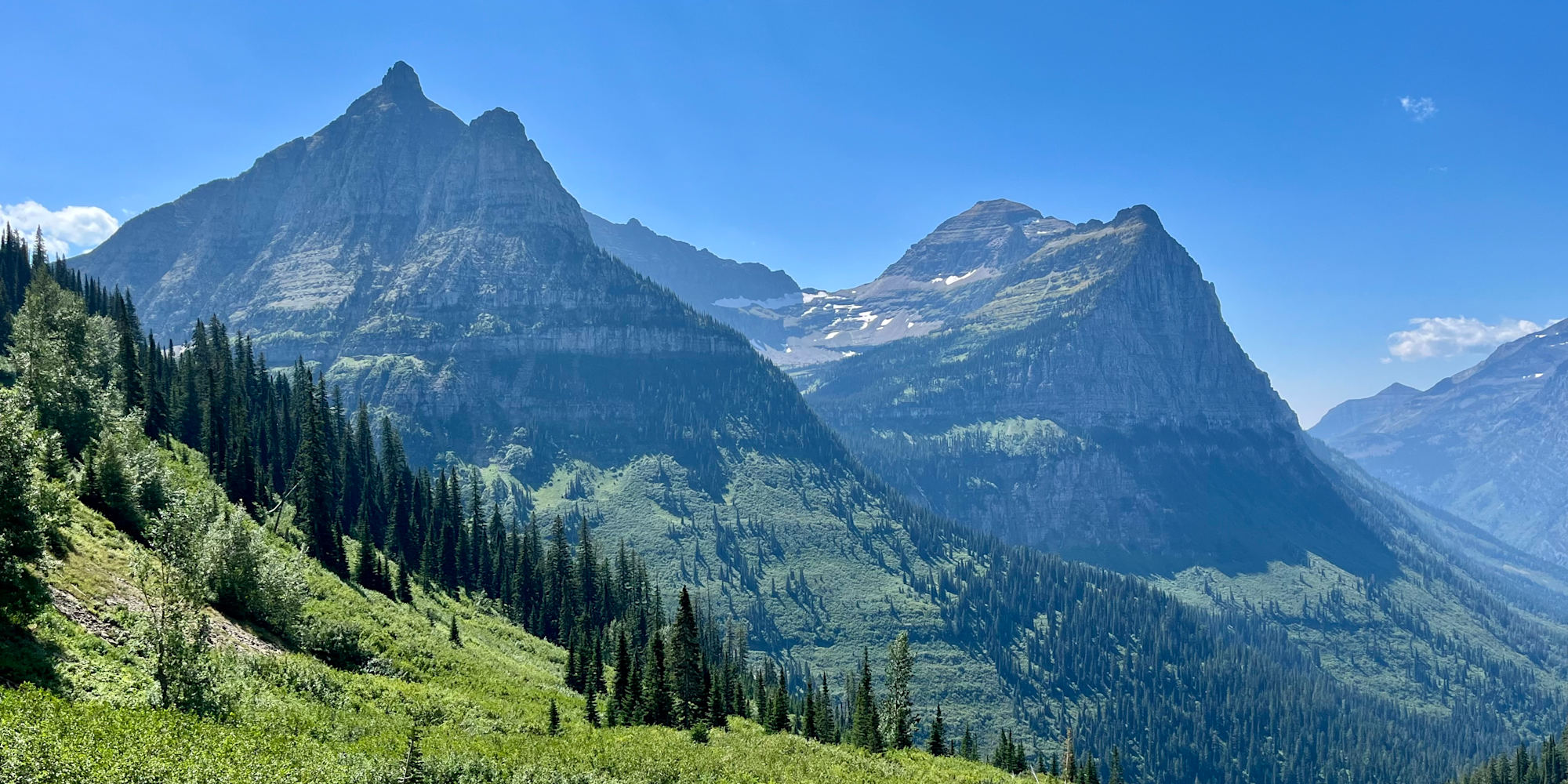
Every August, America celebrates the birthday of one of its most beloved institutions: the National Park Service (NPS). Since its founding on 25 August 1916, the NPS has helped protect some of the most extraordinary places in the United States, from dramatic canyons and towering mountains to ancient forests, historic landmarks, and thriving wildlife habitats.
More than just scenic destinations, America's national parks are living classrooms, adventure playgrounds, and places where families create lifelong memories. Whether you're planning a future adventure or simply love learning about the outdoors, these fascinating facts reveal just how remarkable the U.S. national park system truly is.
Why America's National Parks Matter
When people think of national parks, iconic landscapes like Yellowstone, Yosemite, and the Grand Canyon often come to mind. But the National Park Service oversees far more than spectacular scenery. Today, it protects hundreds of sites that preserve America's natural wonders, cultural heritage, and important moments in history.
These protected places ensure future generations can experience wild landscapes, encounter incredible wildlife, and connect with stories that shaped the nation. They also offer endless opportunities for hiking, rafting, biking, wildlife watching, and family adventure.
As we celebrate another National Park Service birthday, let's explore some surprising facts that make America's parks so extraordinary.
20 Fun Facts About U.S. National Parks
1. Yellowstone Was the World's First National Park
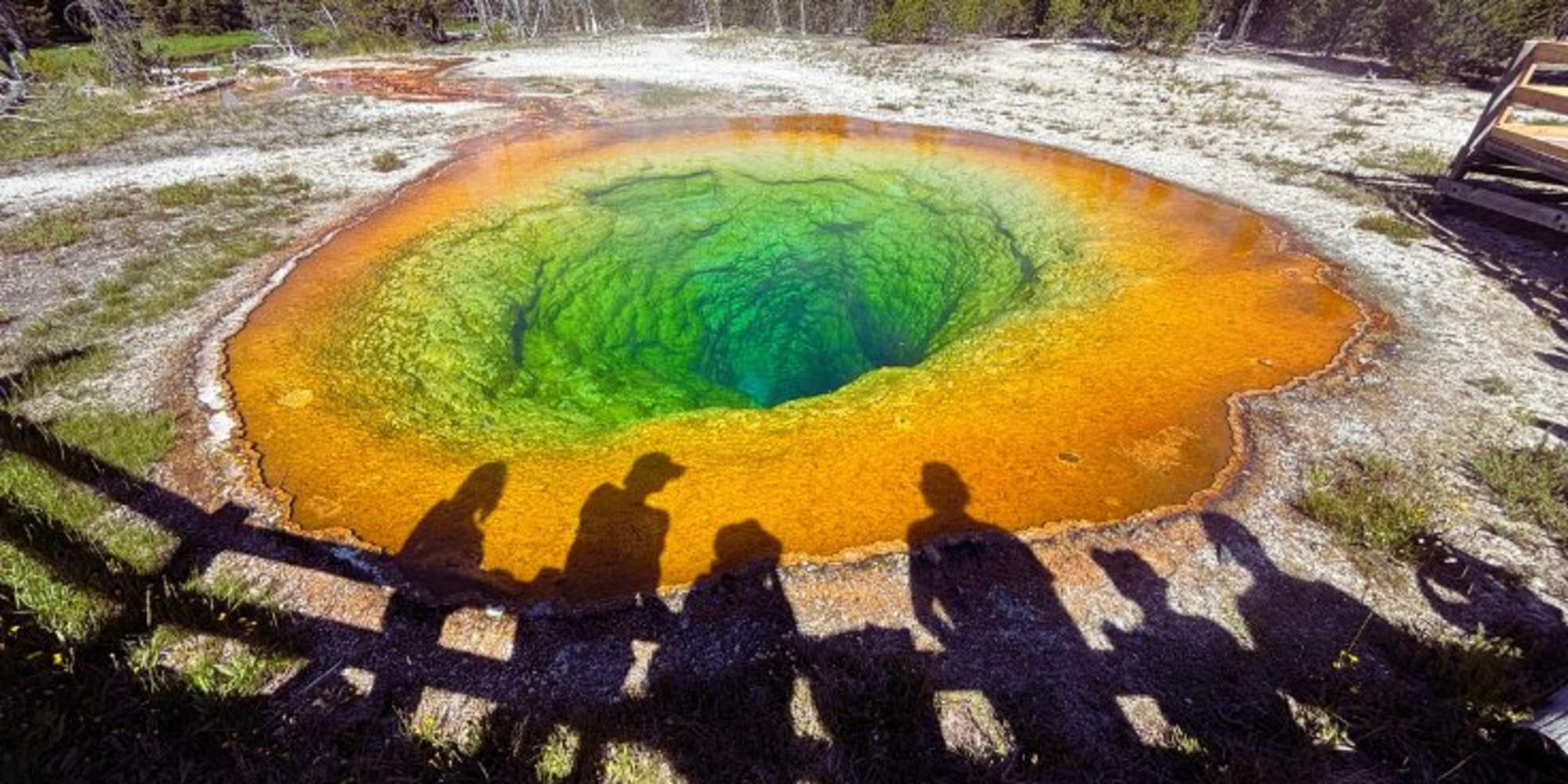
Yellowstone National Park made history on March 1, 1872, when President Ulysses S. Grant signed the Yellowstone National Park Protection Act into law. The National Park Service calls Yellowstone the world’s first national park, a bold idea that helped inspire protected landscapes around the globe. Today, its geysers, hot springs, mudpots, waterfalls, forests, and wildlife make it one of the most recognizable outdoor destinations in the United States.
2. Old Faithful Isn't the Tallest Geyser
Yellowstone's most famous geyser may draw the crowds, but Old Faithful isn't the park's biggest eruption. That distinction belongs to Steamboat Geyser, the world's tallest active geyser. During major eruptions, Steamboat can blast water between 300 and 400 feet into the air. Old Faithful earned its reputation not because it's the largest, but because visitors can often predict when it will erupt, making it one of the most reliable natural shows on Earth.
3. The Grand Canyon's Rocks Are Far Older Than the Canyon Itself
The Grand Canyon is a masterpiece of geologic storytelling and is often described as a journey through time, and for good reason. While the canyon itself was carved by the Colorado River over roughly the last six million years, some of the rocks exposed deep within its walls are nearly 1.8 billion years old. Standing on the rim, you're not just looking across a vast canyon. You're looking through layer after layer of Earth's history, with nearly two billion years of geologic stories revealed in the rock beneath your feet.
4. One National Park is About the Size of Yellowstone, Yosemite, and Switzerland Combined
Some national parks are so vast they're hard to comprehend. Wrangell-St. Elias National Park and Preserve in Alaska spans 13.2 million acres, making it the largest national park in the United States. To put that in perspective, it's roughly the size of Yellowstone National Park, Yosemite National Park, and Switzerland combined. With towering peaks, massive glaciers, wild rivers, and few roads, it's a place that still feels truly untamed.
5. The Tallest Mountain in North America is in a National Park
At 20,310 feet, Denali is the tallest mountain in North America and the centerpiece of Denali National Park. Its sheer size is difficult to comprehend until you see it in person. On exceptionally clear days, the mountain can even be spotted from Anchorage and Fairbanks, standing out dramatically above the surrounding wilderness. For visitors, it's a reminder of just how vast and wild Alaska remains.
6. A Giant Tree Has Been Growing for More Than 2,000 Years
Standing beneath the General Sherman Tree in California's Sequoia National Park has a way of making everything else feel small. The giant sequoia is the largest tree on Earth by volume, containing more wood in its trunk than any other known living tree. Estimated to be around 2,200 years old, it was already centuries old when the Roman Empire was at its height. While taller and wider trees exist, none can match its sheer mass.
7. Some National Parks Are Mostly Underwater
When most people picture a national park, they imagine mountains, forests, or deserts. Biscayne National Park turns that idea upside down. Located just south of Miami, the park is 95% water, protecting coral reefs, mangrove forests, islands, seagrass beds, and historic shipwrecks. Most visitors experience Biscayne by boat, kayak, snorkel, or scuba gear, making it one of the most unique parks in the country.
8. One Park Is Home to Thousands of Natural Stone Arches
Nowhere else on the planet contains more natural stone arches than Utah's Arches National Park. More than 2,000 documented arches rise from a landscape of red sandstone fins, pinnacles, and balanced rocks. The park's most famous formation, Delicate Arch, has become an enduring symbol of the American Southwest, but visitors quickly discover that nearly every trail reveals another remarkable geological surprise.
9. Death Valley Holds the Record for the Hottest Air Temperature Ever Recorded
Death Valley National Park is famous for extremes, and its most famous record is the heat. On July 10, 1913, Furnace Creek recorded an air temperature of 134°F, the highest temperature ever recorded on Earth. Despite its harsh reputation, Death Valley is far more than a landscape of scorching desert. Visitors are often surprised by its colorful badlands, towering sand dunes, salt flats, canyons, spring wildflowers, and remarkably diverse scenery.
10. America's Most Visited National Park May Surprise You
When people think of famous national parks, Yellowstone and Yosemite often come to mind first. Yet the most visited national park in the United States is actually Great Smoky Mountains National Park. According to the National Park Service's latest visitation statistics, the park welcomed more than 11.5 million recreation visitors in 2025. Its lush forests, mountain scenery, wildlife, waterfalls and easy accessibility continue to attract travelers from across the country.
11. An Underground Wonderland Lies Beneath the Desert
The rugged desert landscape of Carlsbad Caverns National Park hides a very different world below the surface. More than 119 caves have been discovered here, created over millions of years as sulfuric acid dissolved the surrounding limestone. The most famous chamber, known as the Big Room, is one of the largest cave chambers in North America. Exploring it feels a bit like entering a subterranean cathedral sculpted entirely by nature.
12. Wildlife Thrives in Protected Spaces
For many travelers, wildlife becomes the unforgettable part of a national park vacation. Yellowstone is known for bison, elk, bears, wolves, and geothermal landscapes, while Grand Teton, Glacier, Denali, Everglades, and other parks protect very different habitats and species. What makes wildlife viewing in national parks so special is not just the chance to spot an animal, but the setting: an intact landscape where animals are part of a larger natural story.
13. Some National Parks Experience the Midnight Sun
Summer days in Alaska can feel almost endless. While Denali National Park enjoys approximately 21 hours of daylight around the summer solstice, parks located farther north, including Gates of the Arctic National Park and Preserve and Kobuk Valley National Park, experience periods of true midnight sun when the sun never dips below the horizon. For visitors, it creates a surreal experience where hiking, wildlife viewing and photography can continue late into the night.
14. You Can Watch Volcanoes Shape the Earth
Most landscapes are shaped over millions of years. In Hawaiʻi Volcanoes National Park, the process is happening right now. Home to Kīlauea and Mauna Loa, two of the world's most active volcanoes, the park showcases the immense forces that created the Hawaiian Islands in the first place. Lava flows, volcanic craters, steam vents, rainforests, and cultural sites combine to create one of the most dynamic landscapes in the national park system.
15. National Parks Protect More Than Natural Wonders
America's national parks preserve much more than spectacular scenery. Across the country, the National Park System also safeguards battlefields, historic homes, memorials, archaeological sites, seashores, monuments, and cultural landmarks. Together, these places tell the story of the United States through both its landscapes and its history, making the park system one of the nation's most important conservation and preservation efforts.
16. Some Trees Have Been Around Longer Than Recorded History
High in the mountains of the American West grow Great Basin bristlecone pines, some of the oldest living non-clonal organisms on Earth. These twisted, weather-sculpted trees survive in harsh conditions where little else can grow. Some have endured for thousands of years, living through the rise and fall of civilizations, volcanic eruptions, and dramatic shifts in climate. Their resilience is a powerful reminder that nature operates on a timeline far longer than our own.
17. National Parks Exist in Every Kind of Landscape
One week you could be kayaking through mangroves in Florida. The next, hiking among glaciers in Montana or watching geysers erupt in Wyoming. America's national parks protect an extraordinary range of landscapes, ecosystems, and experiences. From deserts and volcanoes to rainforests, mountains, coastlines, and caves, few countries offer such a remarkable variety of protected places within a single park system.
18. Rangers Wear One of America's Most Recognizable Uniforms
National Park Service rangers are known for their distinctive flat-brimmed hats, often nicknamed "campaign hats."
Like rangers, guides can turn a led walk into a beautiful stop into a deeper experience. Guides and rangers help visitors understand geology, wildlife behavior, cultural history, safety, conservation, and the stories behind the landscapes they are exploring. For families, those moments can be especially powerful: a child who learns why a geyser erupts, how a canyon formed, or why staying back from wildlife matters often remembers the lesson long after the vacation ends.
19. Parks Are Incredible Places for Stargazing
Many national parks are far from major city lights and are wonderful places to experience dark skies. Desert parks, high-elevation parks, and remote wilderness areas often offer especially memorable stargazing. The best experiences usually come with a little planning: check moon phases, bring warm layers, use a red-light headlamp, and give your eyes time to adjust. A quiet night sky can be every bit as moving as a sunrise overlook.
Parks like Bryce Canyon, Big Bend, and Death Valley offer visitors the chance to see thousands of stars, the Milky Way, and spectacular meteor showers.
20. Every National Park Has Its Own Personality
No two national parks feel exactly alike. Yellowstone showcases the raw power of geothermal activity. Glacier highlights the dramatic forces of ice and elevation. The Grand Canyon reveals nearly two billion years of geological history, while Biscayne protects an underwater world of reefs and shipwrecks. Together, these places remind us that America's national parks are far more than vacation destinations. They are windows into the natural and cultural stories that continue to shape the country.
How to Celebrate the National Park Service Birthday
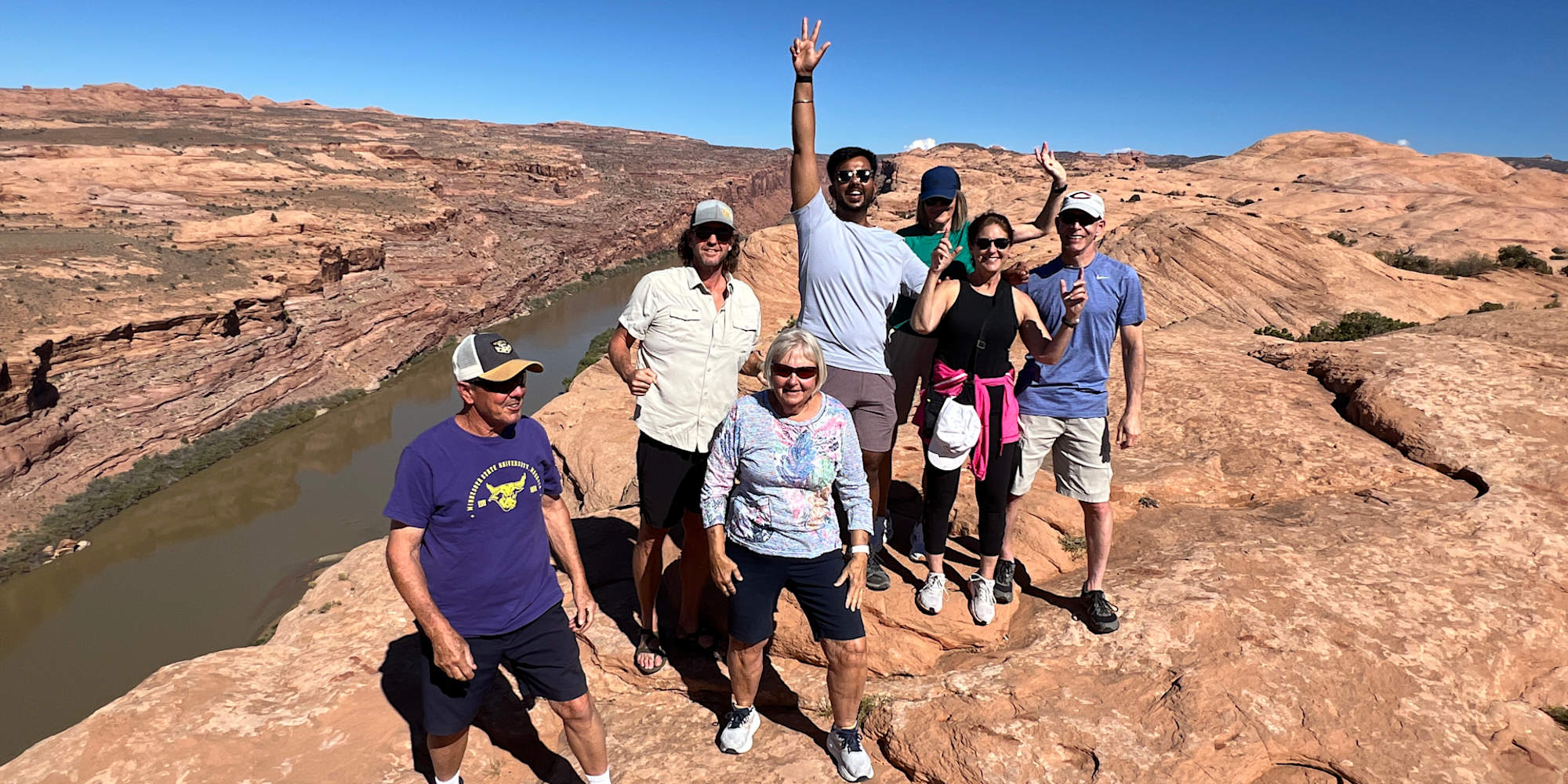
The best way to celebrate America's national parks is to experience them firsthand. Whether you're a seasoned explorer or introducing children to the outdoors for the first time, national parks provide opportunities for adventure, learning, and connection.
Here are a few ways to celebrate:
• Visit a national park you've never explored before
• Join a ranger-led program or educational talk
• Take a family-friendly hike
• Learn about local conservation efforts
• Try wildlife watching or stargazing
• Plan a future national park guided adventure tour
• Share your favorite park memories with friends and family
Even if you can't visit a park this August, you can celebrate by learning about these extraordinary places and supporting efforts that help protect them.
Why National Parks Are Perfect for Family Adventures
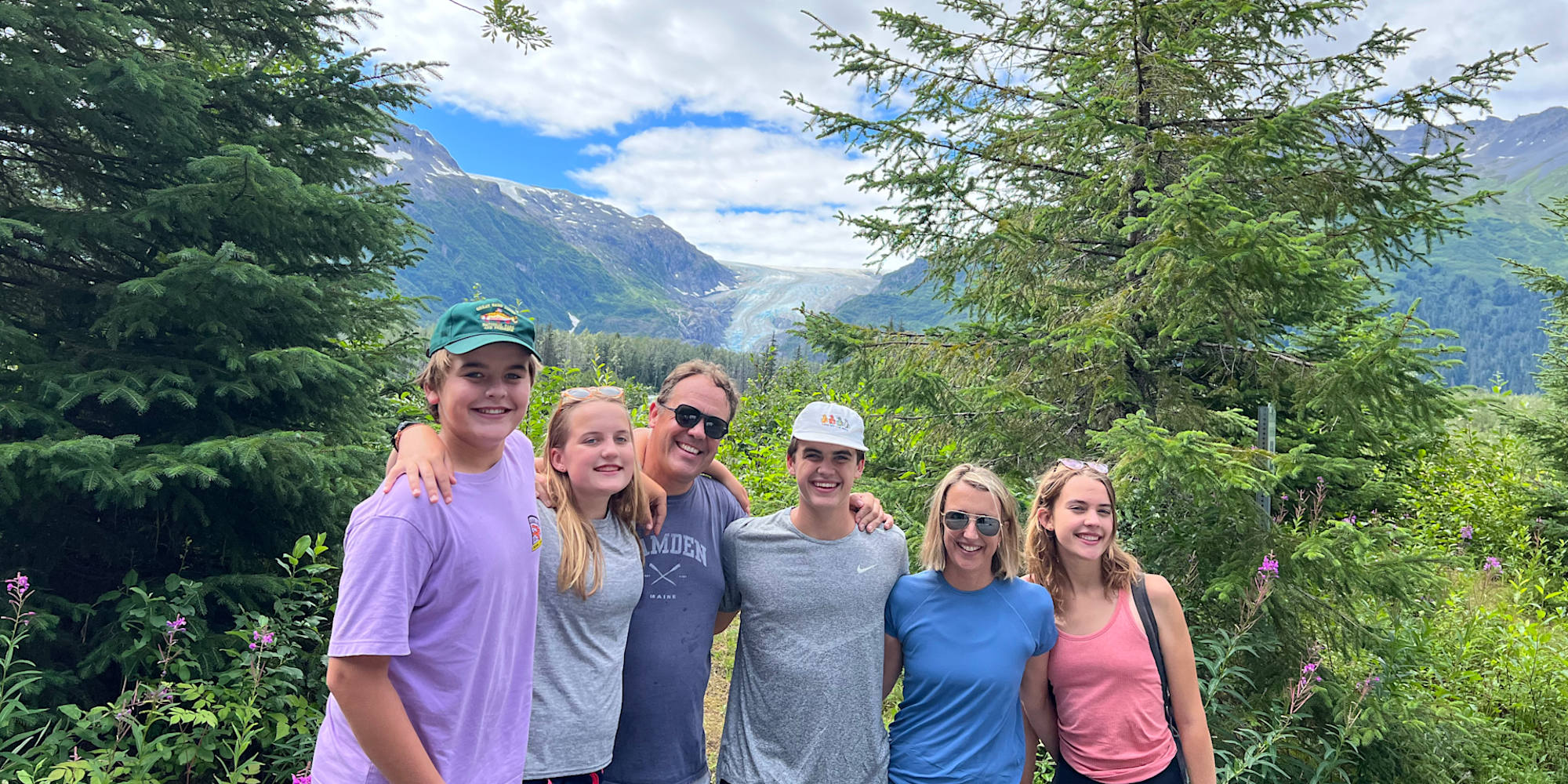
One reason national parks continue to capture travelers' imaginations is their ability to bring people together. Whether it's spotting your first bison in Yellowstone, watching the sunrise over the Grand Canyon, or paddling past glaciers in Alaska, these shared experiences create memories that last a lifetime.
For families, national parks combine outdoor adventure with education and discovery. Children learn about wildlife, geology, ecosystems, and history while having fun outdoors. Adults get the chance to disconnect from everyday routines and reconnect with the natural world.
At Austin Adventures, we've seen firsthand how transformative these experiences can be. From exploring Yellowstone's geothermal wonders to hiking among Yosemite's giant granite cliffs, national parks offer opportunities for meaningful adventure at every age and activity level.
Happy Birthday, National Parks!
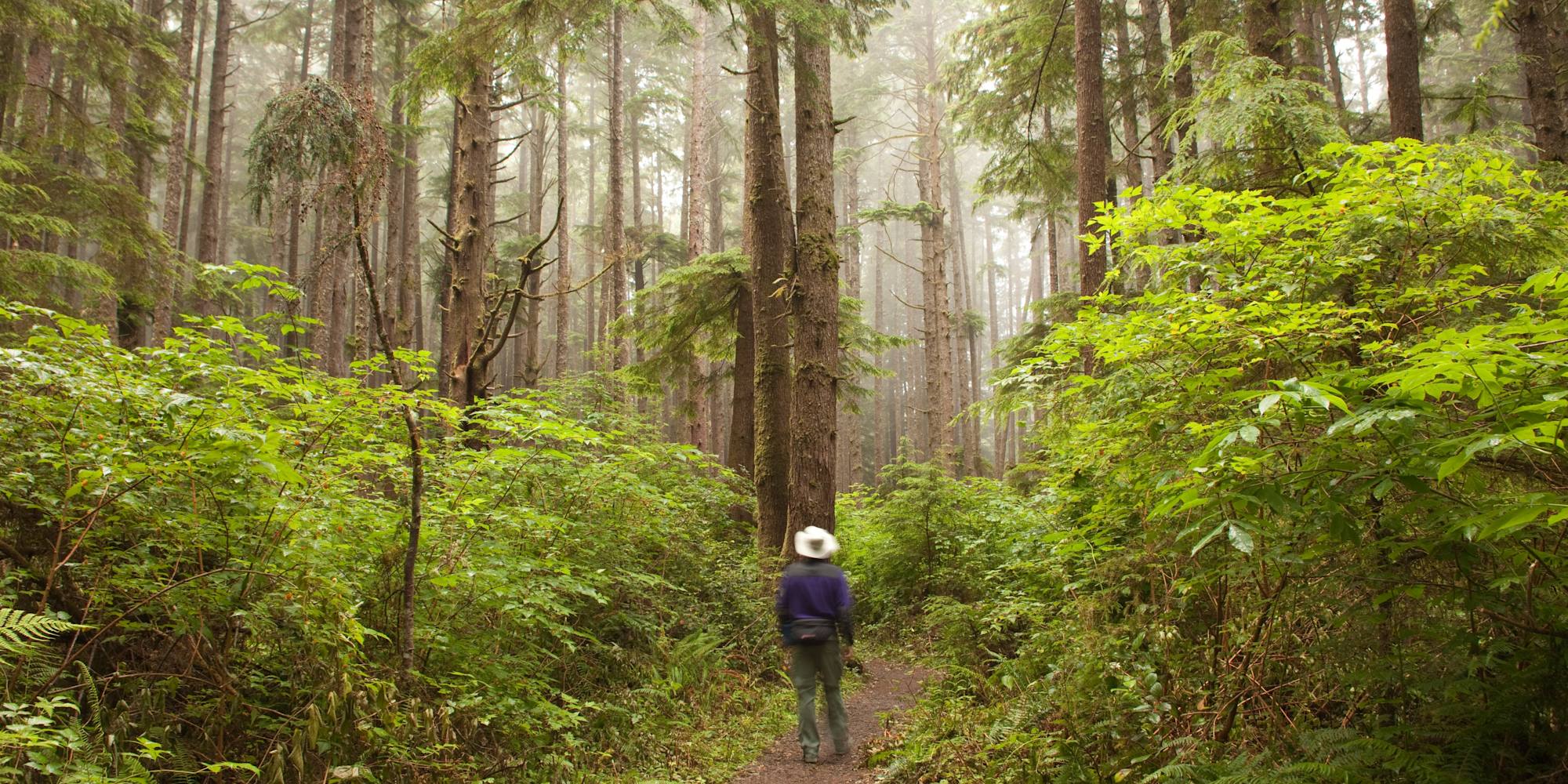
More than a century after the National Park Service was established, America's parks remain some of the country's greatest treasures. They protect remarkable landscapes, preserve important history, support wildlife conservation, and inspire millions of visitors every year.
As we celebrate another National Park Service birthday, there's no better time to appreciate these special places and start dreaming about your next adventure.
Whether you're drawn to the geysers of Yellowstone, the peaks of Glacier, the canyons of Utah, or the forests of the Smokies, one thing is certain: America's national parks never stop inspiring wonder.
Ready to Experience the Parks Beyond the Fun Facts?
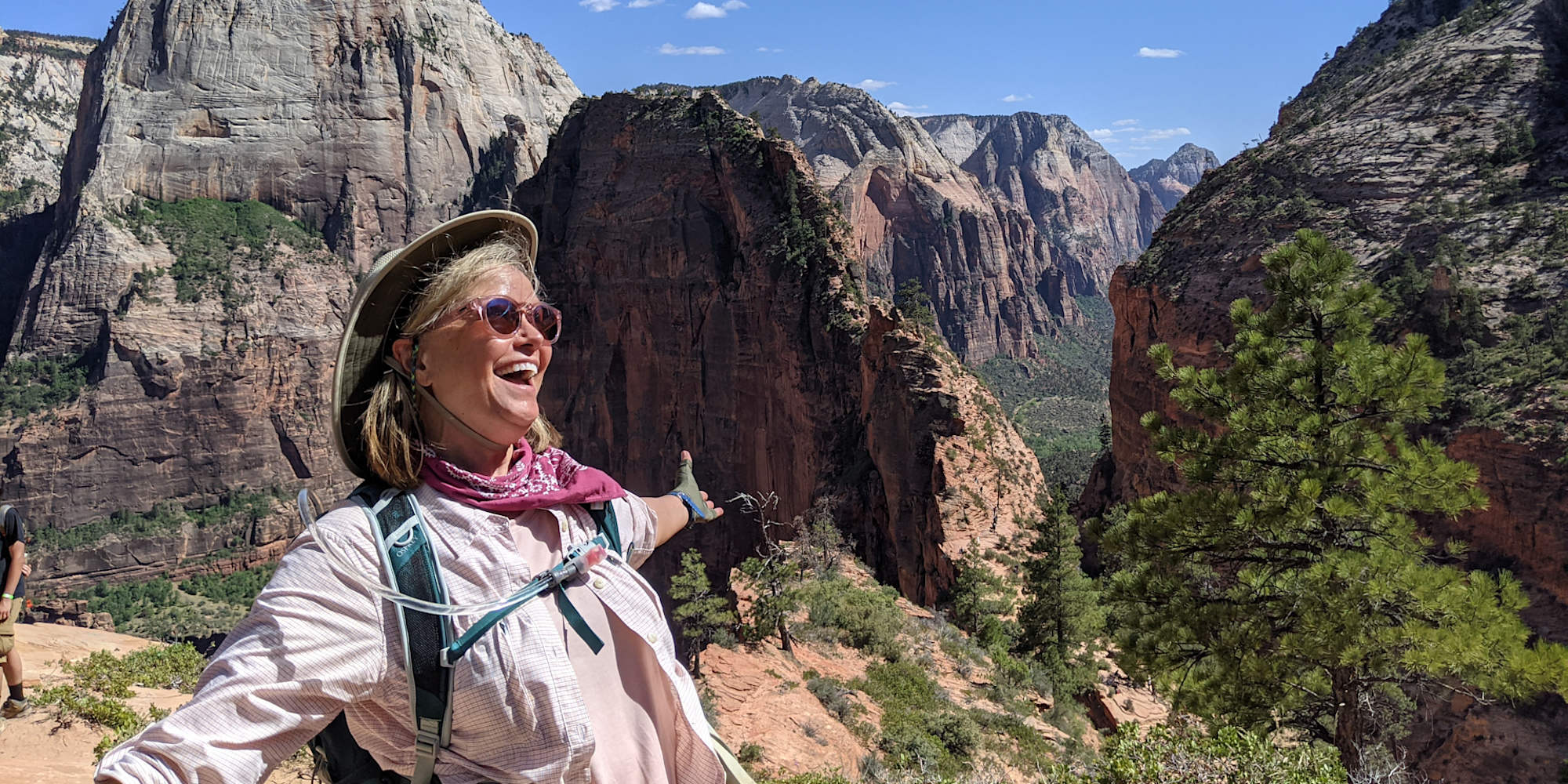
Inspired to visit these iconic protected places for yourself?
• Yellowstone Adventure – Explore America's first national park through hiking, wildlife viewing, rafting, and horseback riding.
• Yellowstone Family Vacation – A fun-filled family journey featuring geysers, ziplining, rafting, and hot springs.
• Yellowstone & Grand Teton Family Vacation – Discover two legendary parks in one unforgettable week.
• Glacier National Park Getaway – Hike alpine trails, explore Going-to-the-Sun Road, and raft the Flathead River.
• Yellowstone, Glacier & Grand Teton Adventure – Experience three of America's most celebrated national parks on one epic journey.
Reading about geysers, glaciers, canyons, and ancient trees is one thing. Standing there with a knowledgeable guide, a thoughtfully paced itinerary, and every detail handled is another. Austin Adventures’ national park vacations are designed to help travelers connect more deeply with these remarkable places, from Yellowstone’s geothermal wonders to Glacier’s alpine trails and the wildlife-rich landscapes of the American West.
Join us to explore these outstanding national treasures on an Austin Adventures National Park Trip!
Written by Nicole McLean, part of the Austin Adventures team, with insight from a company that’s been creating guided adventure vacations in our National Parks since 1985.