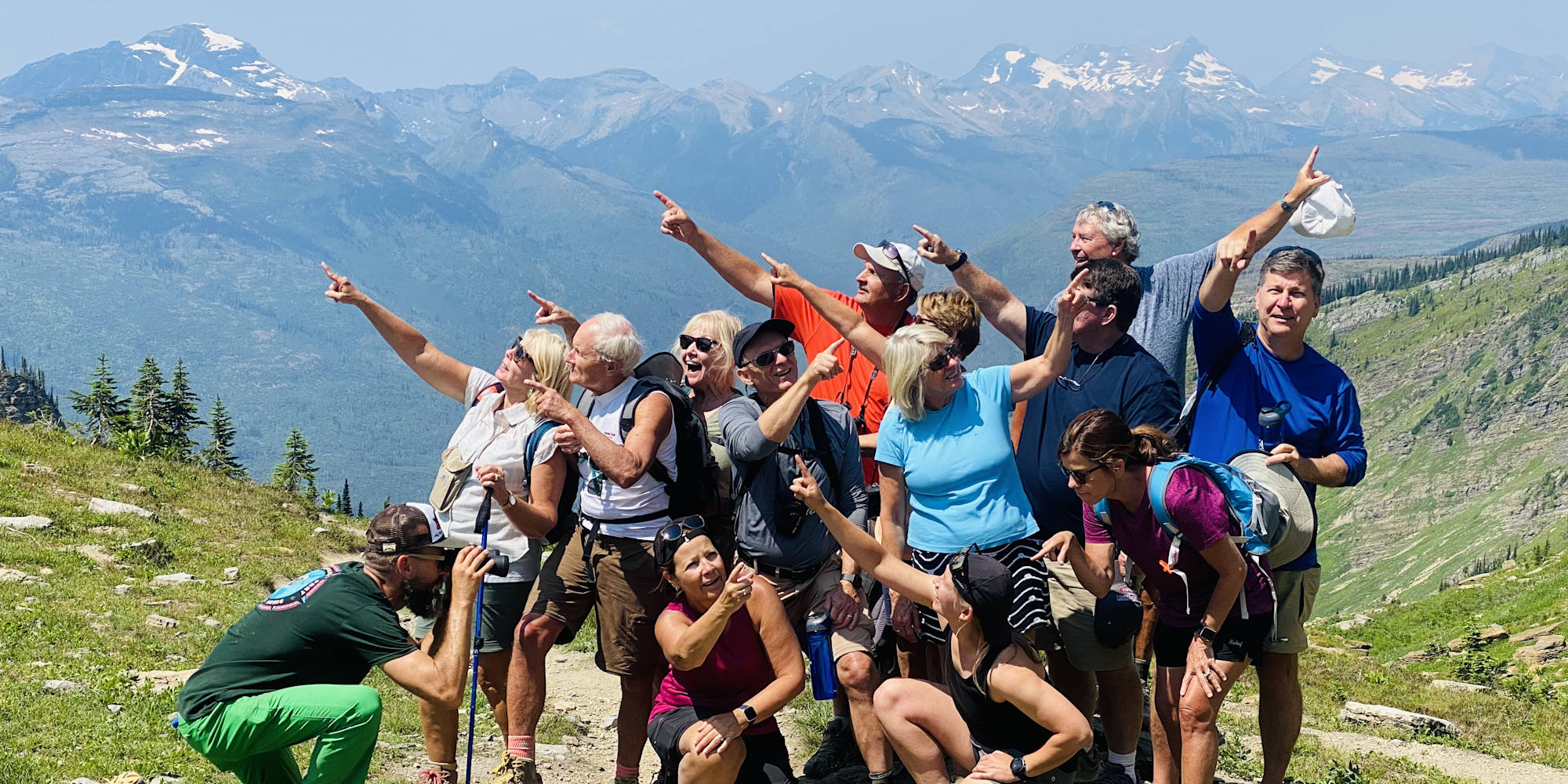
There is no wrong choice between Glacier National Park and Yellowstone National Park. One gives you high alpine drama, turquoise lakes, forested valleys, waterfalls, and trails that seem to climb straight into the sky. The other gives you steaming geyser basins, wide-open wildlife valleys, colorful hot springs, deep canyons, and the unmistakable feeling that the earth is still busy creating itself beneath your feet.
So which park should you visit?
Visit Glacier National Park if you want dramatic mountain scenery, bigger hiking days, quieter alpine moments, and a trip that feels centered around trails, lakes, and high-country views. Visit Yellowstone if you want geothermal wonders, iconic wildlife viewing, family-friendly variety, and a classic first national park experience. Glacier is often the better fit for hikers and mountain lovers, while Yellowstone is often the better fit for first-time visitors, families, wildlife watchers, and travelers who want more variety in a single trip.
The best answer depends on your travel style. If your dream day starts with a mountain trail and ends beside a cold, clear lake, Glacier may be your park. If your dream day starts with Old Faithful, continues past Grand Prismatic Spring, and ends with bison moving through Lamar Valley or Hayden Valley, Yellowstone may be the one calling your name.
Choose Glacier for Mountains and Hiking, Yellowstone for Wildlife and Variety
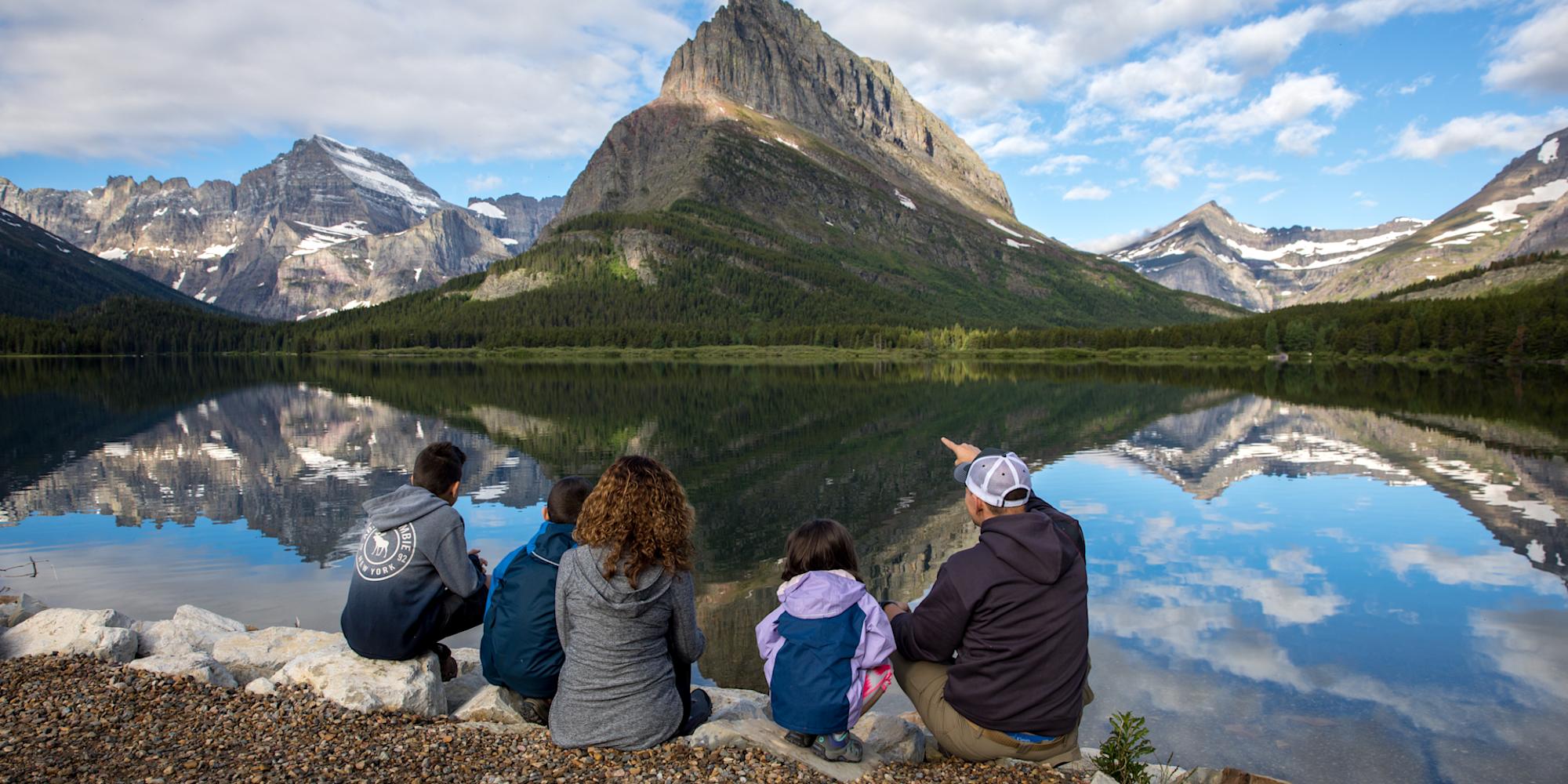
The biggest difference between Glacier and Yellowstone is the type of experience each park delivers.
Glacier is a mountain park first. Its magic lives in places like Going-to-the-Sun Road, Many Glacier, Two Medicine Lake, Lake McDonald, Swiftcurrent Lake, Lake Josephine, Grinnell Lake, Iceberg Lake, and the Flathead River. It is a park of ridgelines, wildflowers, waterfalls, cedar forests, cold lakes, and trail days that reward effort with views you feel in your chest.
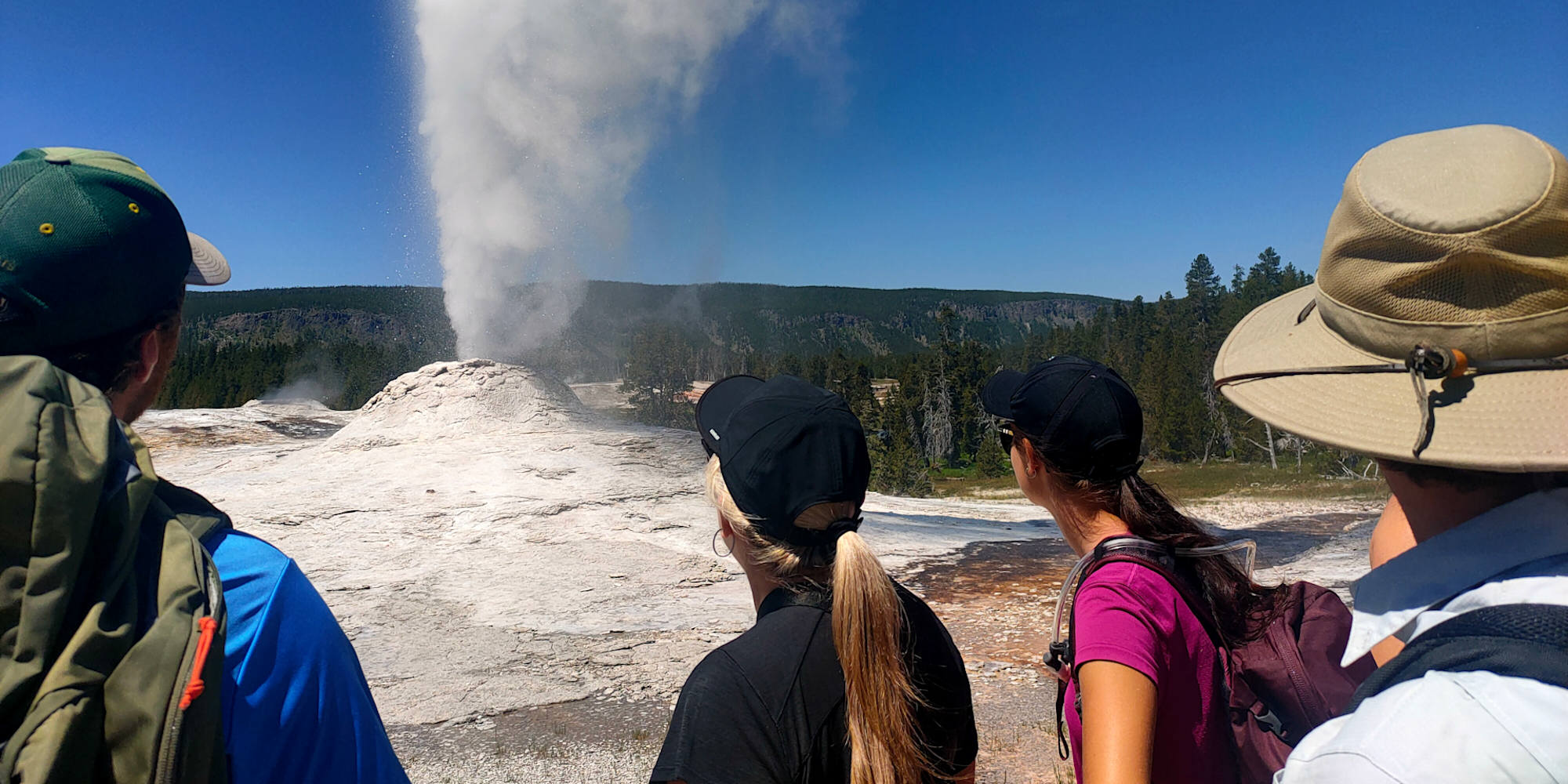
Yellowstone is a geothermal and wildlife park first. It is home to more than 10,000 hydrothermal features, including approximately 500 geysers, making it one of the most extraordinary geothermal landscapes on Earth. Its highlights include Old Faithful, Grand Prismatic Spring, Mammoth Hot Springs, Grand Canyon of the Yellowstone, Yellowstone Lake, Hayden Valley, and Lamar Valley.
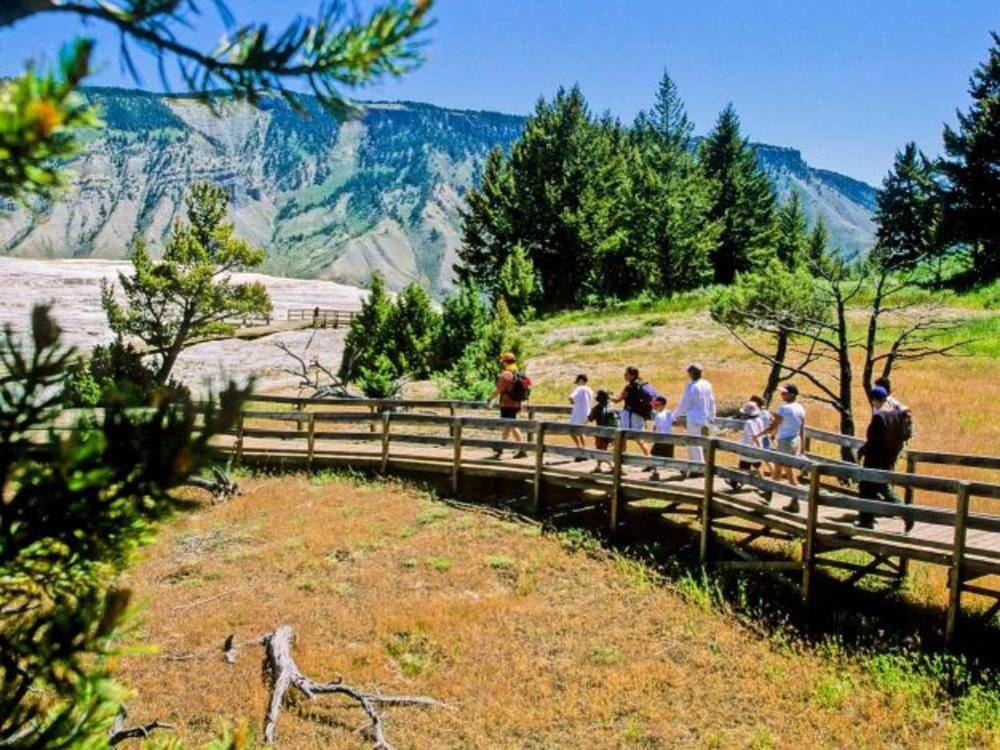
For many travelers, Yellowstone is easier to understand at first glance because its signature sights are so varied. You can watch a geyser erupt, walk a steaming boardwalk, look into a canyon, scan a valley for wildlife, and end the day by a lake. Glacier asks for a little more movement. It rewards travelers who want to hike, linger, look up, and let the mountains set the pace.
If you are planning your first national park trip in the Northern Rockies, Yellowstone may feel like the more accessible introduction. If you already know you love hiking and big mountain landscapes, Glacier may be the more memorable match.
Glacier vs. Yellowstone Scenery: Alpine Peaks or Geothermal Wonders?
Glacier’s scenery is bold, vertical, and alpine. The park feels shaped by ice, water, and time. Around Many Glacier, peaks rise above lakes so clear they seem to hold the whole sky. At Two Medicine Lake, the landscape has a quieter, tucked-away feel, with trails leading toward waterfalls and forested slopes. Near Lake McDonald, the mood softens into colorful stones, cedar trees, and long views down the water. Along Going-to-the-Sun Road, the park opens in grand fashion, with cliffside turns, high passes, and mountains that seem to arrive one after another.
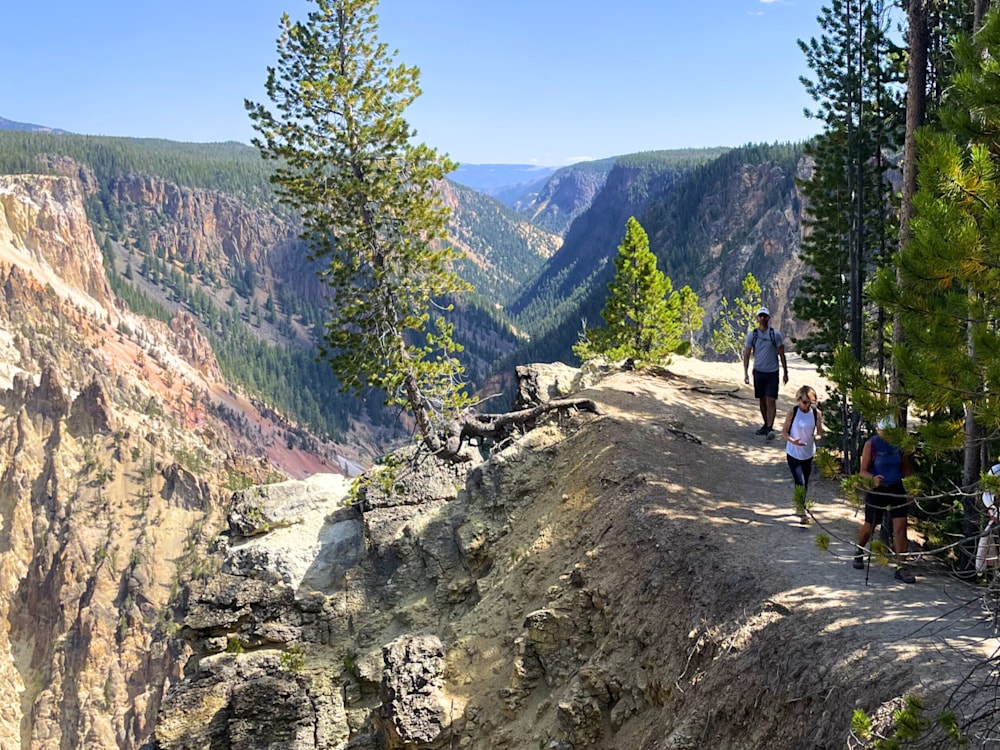
Yellowstone’s scenery is more varied and more surprising. It does have mountains, forests, rivers, lakes, and waterfalls, but the park’s defining feature is its living geology. Steam rises from the ground. Hot springs glow with impossible color. Mud pots bubble. Geysers build, pause, and erupt. The Grand Canyon of the Yellowstone adds another layer, with waterfalls and canyon walls that shift from gold to orange to rust depending on the light.
Travelers who want a classic alpine hiking backdrop often prefer Glacier. Travelers who want to see something they cannot easily see anywhere else in North America often choose Yellowstone. Yellowstone’s hydrothermal landscape is one of its defining features, and Austin Adventures Yellowstone itineraries naturally include places such as Old Faithful, Grand Prismatic Spring, Mammoth Hot Springs, Yellowstone Lake, Hayden Valley, and Lamar Valley.
For photographers, Glacier is especially strong for mountain reflections, sunrise and sunset light, wildflowers, lakes, and high ridges. Yellowstone is especially strong for wildlife, steam, color, canyon views, and the contrast between open valleys and geothermal basins. Glacier often gives you the sweeping postcard. Yellowstone gives you the story that keeps changing as you move through the park.
Which Park is Better for Hiking, Wildlife, and Families?
Glacier is usually the better choice if hiking is the heart of your trip. The terrain can be more demanding, but the payoff is tremendous. Our Glacier experiences include places such as Whitefish, Two Medicine Lake, Many Glacier, Going-to-the-Sun Road, Lake McDonald, Twin Falls, Iceberg Lake Trail, Grinnell Lake, Swiftcurrent Lake, Lake Josephine, and the Flathead River. These are the kinds of places where the day is not just about reaching a viewpoint. It is about moving through the landscape slowly enough to notice the sound of water, the shift in light, and the way the mountains seem to gather around you.
Yellowstone has excellent walks and hikes, but the park is usually less hiking-dependent. Families can experience many of its famous places through boardwalks, overlooks, scenic drives, and shorter trails. That makes Yellowstone a strong choice for multi-generational groups, first-time national park travelers, and families with different activity levels. One person may be excited about geysers, another about wildlife, and another about waterfalls, and Yellowstone can satisfy all three in the same day.
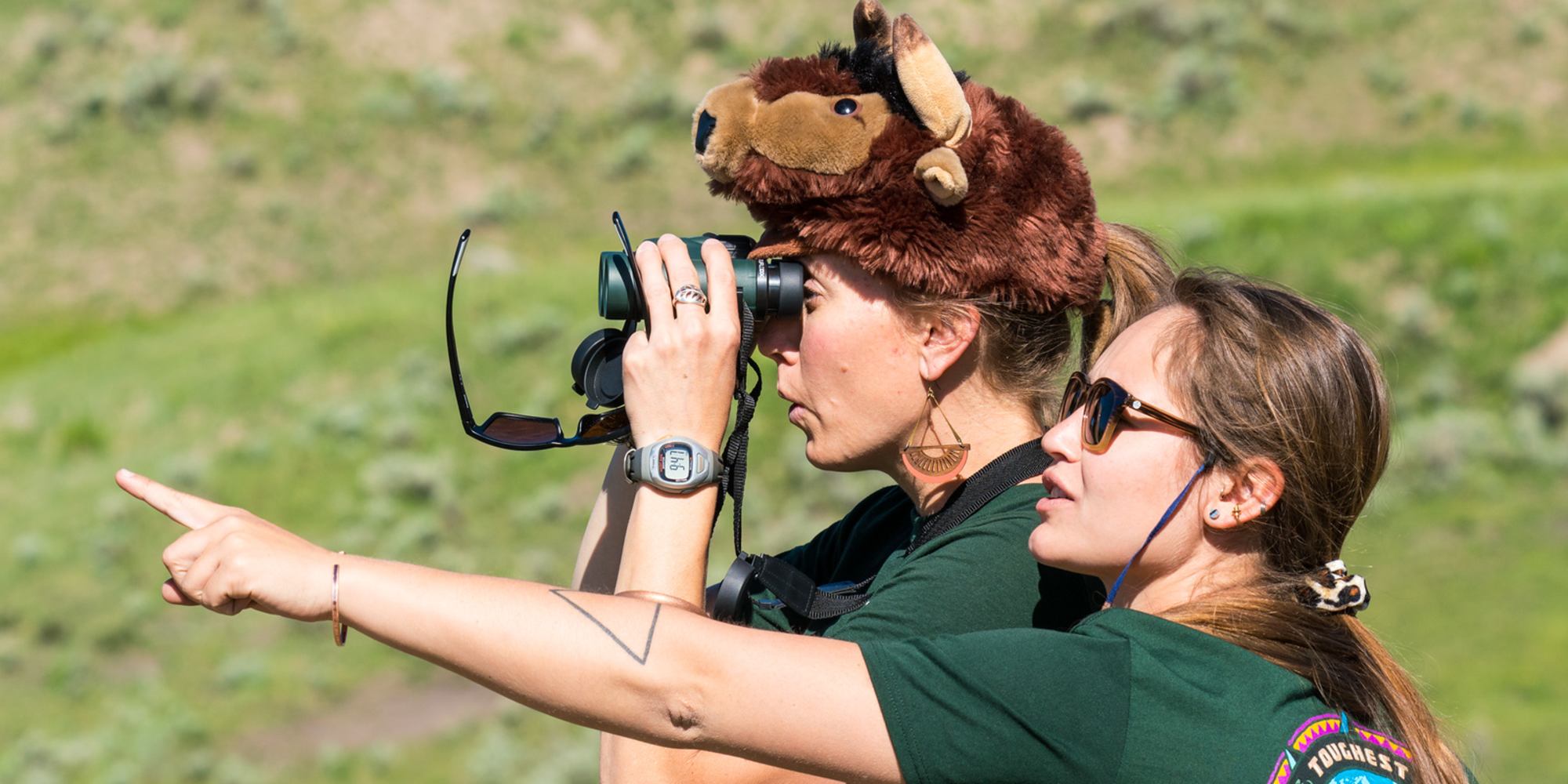
For wildlife, Yellowstone is often the stronger and more predictable choice for visitors. Lamar Valley and Hayden Valley are two of the park’s most celebrated wildlife-viewing areas. Depending on timing, patience, and conditions, travelers may see bison, elk, and other wildlife at a safe distance. Our Yellowstone, Big Sky, and Paradise Valley itineraries include places such as Hayden Valley, Old Faithful, Yellowstone Lake, Mammoth Hot Springs, Grand Prismatic Hot Spring, Gallatin National Forest, and the Absaroka Mountains, which helps build a varied Western wildlife and landscape experience.
Glacier also has wonderful wildlife, including mountain goats, bighorn sheep, bears, deer, and smaller alpine species, but the experience often feels more tied to trail choice, elevation, season, and timing. In both parks, wildlife should always be viewed with care, patience, and respect. A good guide can help travelers understand safe distances, read animal behavior, and avoid the common mistake of treating a wildlife sighting like a roadside attraction.
For families, Yellowstone is often easier. For active families who already love hiking, Glacier can be unforgettable. For travelers who want the most variety with the least guesswork, Yellowstone has the edge. For travelers who want bigger trail days and high mountain beauty, Glacier is hard to beat.
Best Time to Visit Glacier and Yellowstone
The best time to visit Glacier National Park is generally summer through early fall, especially if your goal is hiking, lake time, and high-country access. Glacier is a mountain park, which means snow, road conditions, trail openings, and weather all shape the experience. Even in summer, travelers should be ready for cool mornings, bright sun, sudden rain, wind, and changing conditions at higher elevations.
The best time to visit Yellowstone depends on what you want to do. Summer offers the broadest access, the most services, and the easiest planning for first-time visitors. Spring and fall can bring fewer crowds, cooler temperatures, and excellent wildlife opportunities, but weather and road conditions can be less predictable. Winter is beautiful and quiet in a completely different way, but it requires more specialized planning and is not the typical choice for a first active family adventure.
For most Austin Adventures travelers, July through September is the strongest shared window for comparing both parks. July and August usually offer the most reliable access for high-country experiences in Glacier and the broadest range of activities in Yellowstone. September can be a wonderful choice for travelers who like cooler mornings, softer light, and a slightly calmer feel after peak summer.
Weather is one of the biggest reasons to plan thoughtfully. Glacier’s mountain terrain can make one valley feel different from the next. Yellowstone’s elevation and open landscapes can bring chilly starts, warm afternoons, sudden storms, and brisk evenings. In both parks, packing well matters more than trying to predict every moment of the forecast.
A good daypack should include a rain shell, warm layer, sun protection, water, snacks, any personal medication, and comfortable footwear with good traction. For Glacier, broken-in hiking shoes or boots are especially important if you plan to spend real time on trails. For Yellowstone, comfortable walking shoes are key for boardwalks, overlooks, geyser basins, and short hikes. In both parks, layers are your friend.
If you are choosing based on crowds, expect summer to be busy in both parks. A guided trip can help by timing key experiences carefully, choosing routes with intention, and building in the kind of breathing room that makes a busy park feel more personal.
Guided vs. Independent Travel: Which is Better for Glacier or Yellowstone?
You can visit Glacier or Yellowstone independently, and many travelers do. However, both parks are large, popular, weather-sensitive places where logistics can shape the entire day. Driving distances are longer than they look on a map. Parking can influence what you actually get to see. Weather can change quickly. Wildlife sightings can create traffic delays. Popular areas may require early starts, patience, or flexible backup plans.
Independent travel gives you a degree of freedom, but it also asks you to manage every detail: lodging, timing, meals, trail choices, road conditions, park access, gear, wildlife safety, and what to do when the original plan changes.
Guided travel is valuable when you want the experience to feel seamless rather than pieced together. In Glacier, guides can help match hikes to the day’s conditions, balance challenge with comfort, and bring context to places like Many Glacier, Two Medicine, Going-to-the-Sun Road, Lake McDonald, and the Flathead River. In Yellowstone, guides can help with timing around Old Faithful and the geyser basins, wildlife viewing in Lamar Valley or Hayden Valley, and building a day that does not feel like a long string of parking lots.
A guided small-group trip is especially helpful for families and multi-generational travelers. It allows everyone to relax into the day a little more. Parents do not have to be the driver, navigator, snack manager, weather checker, and activity planner all at once. Couples and solo travelers can enjoy the company of a group without giving up the sense of discovery. Guests can ask questions, learn as they go, and feel looked after without feeling rushed.
Accommodation style also matters. In and around Glacier, travelers often use gateway areas such as Whitefish along with classic park settings near Lake McDonald and the eastern valleys. In and around Yellowstone, gateway areas such as Big Sky, Paradise Valley, Gardiner, and West Yellowstone can help shape the trip, while Yellowstone Lake and in-park areas provide access to the park’s interior. The right lodging plan can reduce drive time, improve early starts, and make the evenings feel like part of the experience rather than an afterthought.
For independent travelers, the best advice is to do less and enjoy more. Choose fewer stops, start early, pack layers, build in time for wildlife delays, and avoid treating either park like a checklist. For guided travelers, the benefit is simple: you can be present. The details are handled, the pacing is thoughtful, and the day has more room for the kind of moments you came all this way to find.
Let Your Travel Style Choose the Park
Glacier and Yellowstone are not rivals. They are two very different invitations into the American West.
Choose Glacier if you want alpine lakes, mountain trails, waterfalls, forests, and the feeling of being surrounded by peaks. It is a beautiful fit for active couples, hiking-focused travelers, families with trail-loving kids, photographers, and anyone who wants a national park trip that feels deeply connected to the mountains.
Choose Yellowstone if you want geysers, hot springs, wildlife valleys, waterfalls, canyons, and a wide variety of experiences in one park. It is a strong fit for first-time national park visitors, families, multi-generational groups, wildlife lovers, and travelers who want a classic, wonder-filled Western adventure.
And if you truly cannot decide, that may be your answer too. A well-paced trip such as our Yellowstone, Glacier, and Grand Teton Adventure brings together three different sides of the Northern Rockies: Yellowstone’s living geology, Glacier’s alpine drama, and Grand Teton’s clean, soaring skyline. It is a lot to plan independently, but with the right guide team and thoughtful pacing, it can become one of those rare trips where every day feels distinct and every landscape adds something new.
The right park is the one that matches the way you want to feel. Energized. Curious. Connected. A little amazed. Maybe even a little reluctant to go home.
Still can't decide? Check out our tours here! We even have a very popular trip that combines both parks in the Yellowstone, Glacier & Grand Teton Adventure.
If it's Yellowstone that's on your must-see list, we have a range of tours to suit:
We also have family vacation Yellowstone adventures.
If it's Glacier you'd like to focus on then check out the 4-Day Glacier Getaway or the 6-Day Glacier Hiking Adventure.