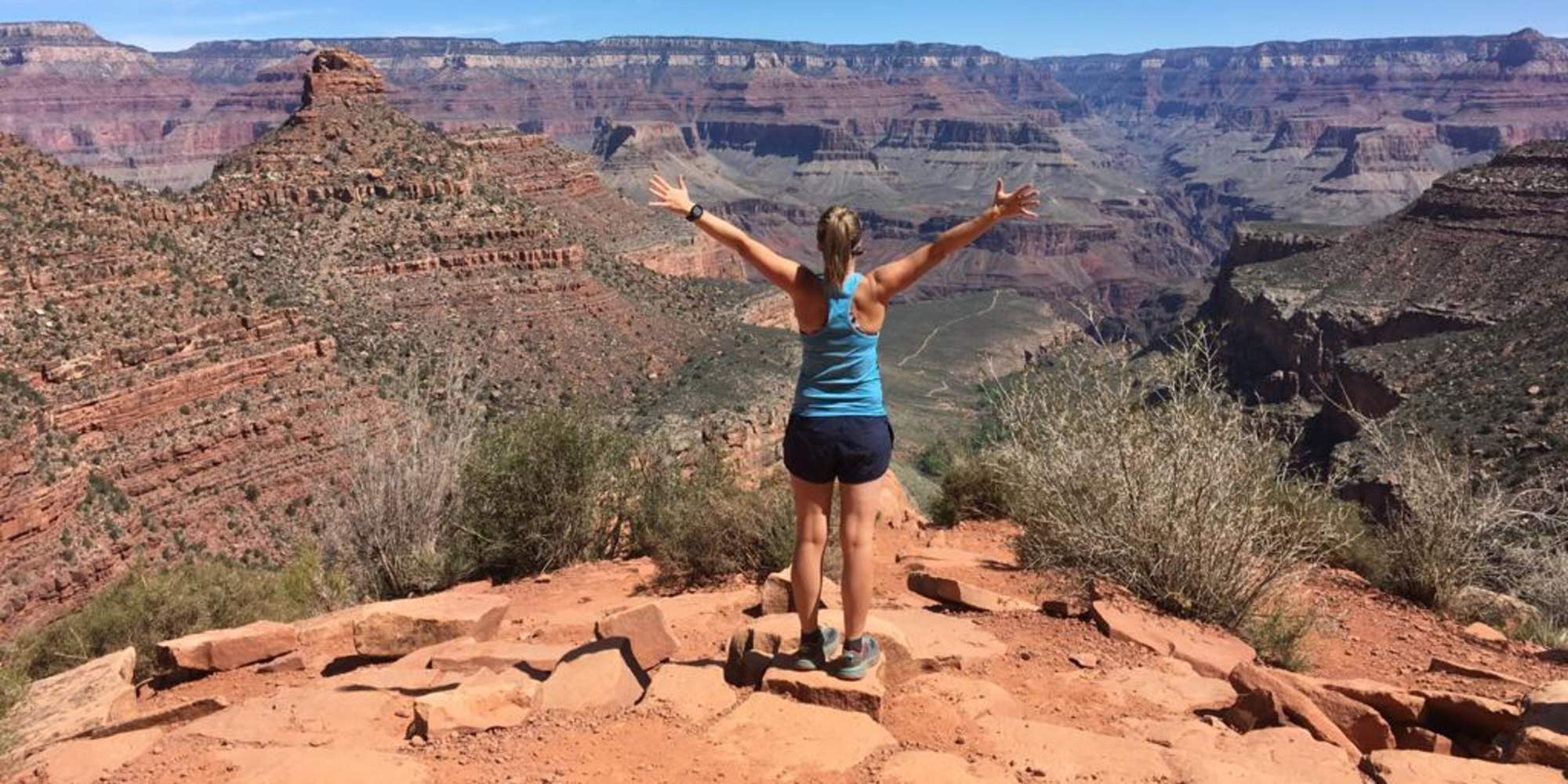
Southern Utah is famous for its otherworldly atmosphere. Morning light brushes the sandstone arches near Moab. The land falls away into vast canyon country at Island in the Sky. The road curves toward Capitol Reef, where the earth folds into bands of red, cream, and gold. Bryce Canyon rises in a maze of hoodoos, like a stone forest shaped by time. Farther west, Zion gathers around the Virgin River in red walls, cottonwoods, and cool canyon air.
That’s the beauty of Utah’s Mighty Five: the parks are close enough to connect in one memorable journey, but different enough that each one offers something new. Arches, Canyonlands, Capitol Reef, Bryce Canyon, and Zion are not five versions of the same place. They are five distinct desert worlds, each with its own unique landscapes, terrain, weather, and stunning natural beauty that you have to stop mid-step for just to take it all in.
You'll find the best way to prepare for Utah’s Mighty Five is to plan around season, driving time, park logistics, weather, and your preferred activity level before choosing daily hikes or hotels. Of course the easiest way is to come with us at Austin Adventures, as we take care of all the logistics and know the best spots and hikes!
Spring and fall are often the most comfortable seasons for active travel, while summer requires earlier starts, more water, and careful heat planning. Most travelers should give the most time to Zion, Arches, Canyonlands, and Bryce Canyon, while leaving room for quieter surprises like Capitol Reef, Fisher Towers, and a guided slot canyon experience.
This guide is here to help you feel ready, not rushed. Think of it as a practical conversation with one of our guides who wants you to have a great adventure: the kind where your boots are broken in, your daypack makes sense, your route has breathing room, and the details have been thought through before the first trailhead.
What Kind of Mighty Five Trip Do You Want?
Before you decide where to stay or how many miles to hike, ask a simpler question: what do you want this trip to feel like?
Some travelers picture sunrise at Delicate Arch, a scenic drive through Canyonlands, and a classic Zion canyon walk. Others want quieter trails, hands-on guide insight, and places beyond the obvious overlooks. Families often want a mix of active days and easier moments where everyone can reset. Couples may be looking for big scenery, good meals, and a pace that feels special without being exhausting. Multigenerational groups usually need the sweet spot: active enough to feel like an adventure, flexible enough that different comfort levels still feel included.
That question matters because the Mighty Five can easily become a checklist. It is tempting to think the goal is simply to “see all five.” But the better goal is to experience them well.
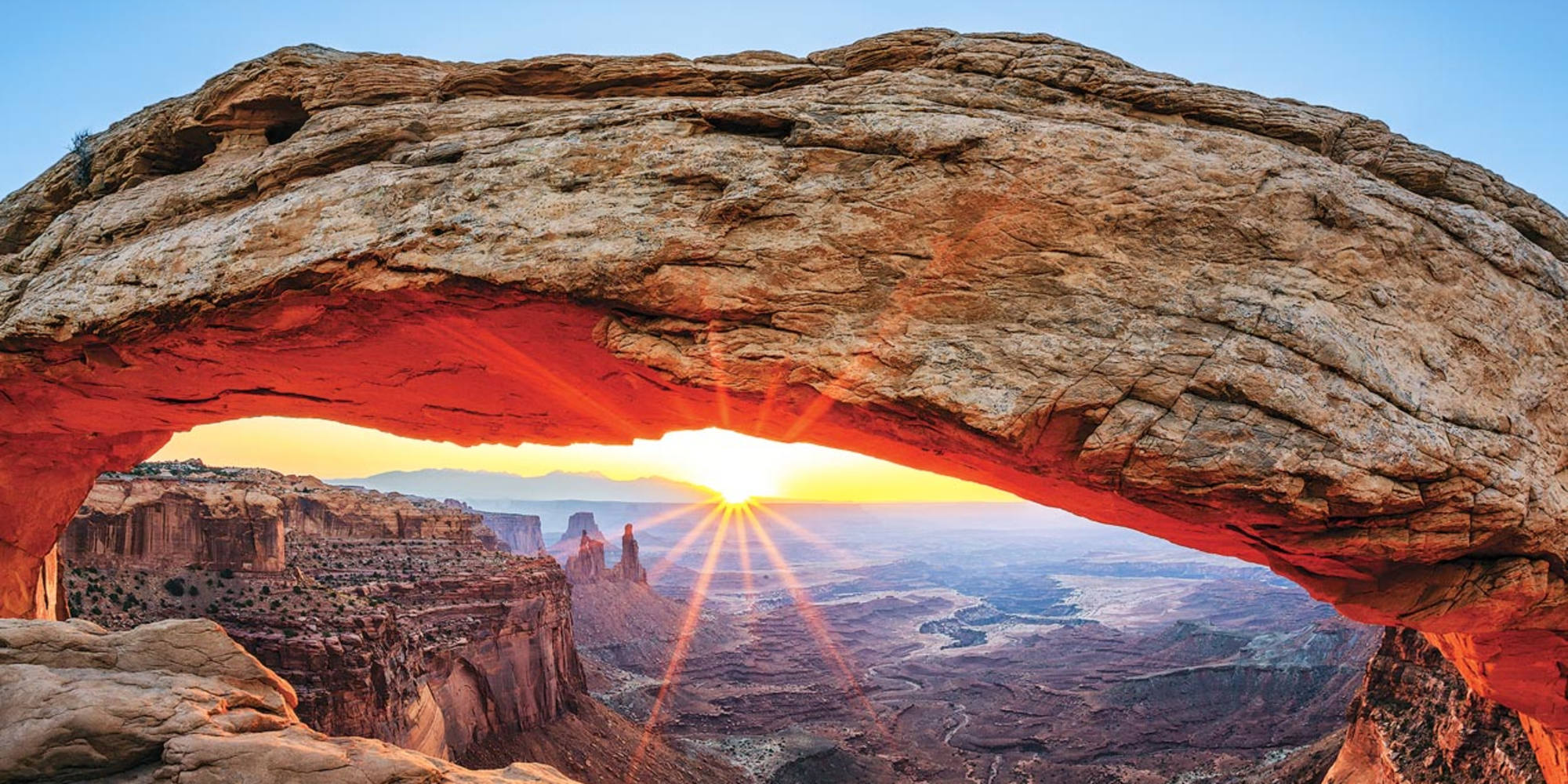
Around Moab, Arches brings the sculptural drama: sandstone fins, balanced rocks, windows, and arches that feel almost too delicate for the desert around them. Canyonlands is bigger, wider, and more humbling, especially from the Island in the Sky district and Grand View Point, where the land drops into canyons within canyons. Fisher Towers adds another layer of Moab-area magic, with red spires rising above the Colorado River corridor.
Capitol Reef feels different again. It is quieter, spacious, and wonderfully underrated, with reef-like rock formations, historic orchards, and a sense that the road itself is part of the discovery. Bryce Canyon changes the mood with high-elevation air and amphitheaters of hoodoos. Trails like Queens Garden, Peek-a-Boo, and Wall Street bring you below the rim, where the formations feel less like scenery and more like company. Zion is the grand canyon finale for many travelers, with Springdale at its doorstep, the Virgin River running through the canyon, and trails that range from gentle riverside walks to more demanding climbs.
A well-prepared Mighty Five trip does not try to flatten all of that into one pace. It lets each park be itself.
Choose the Right Season for Your Pace, Comfort, and Trail Time
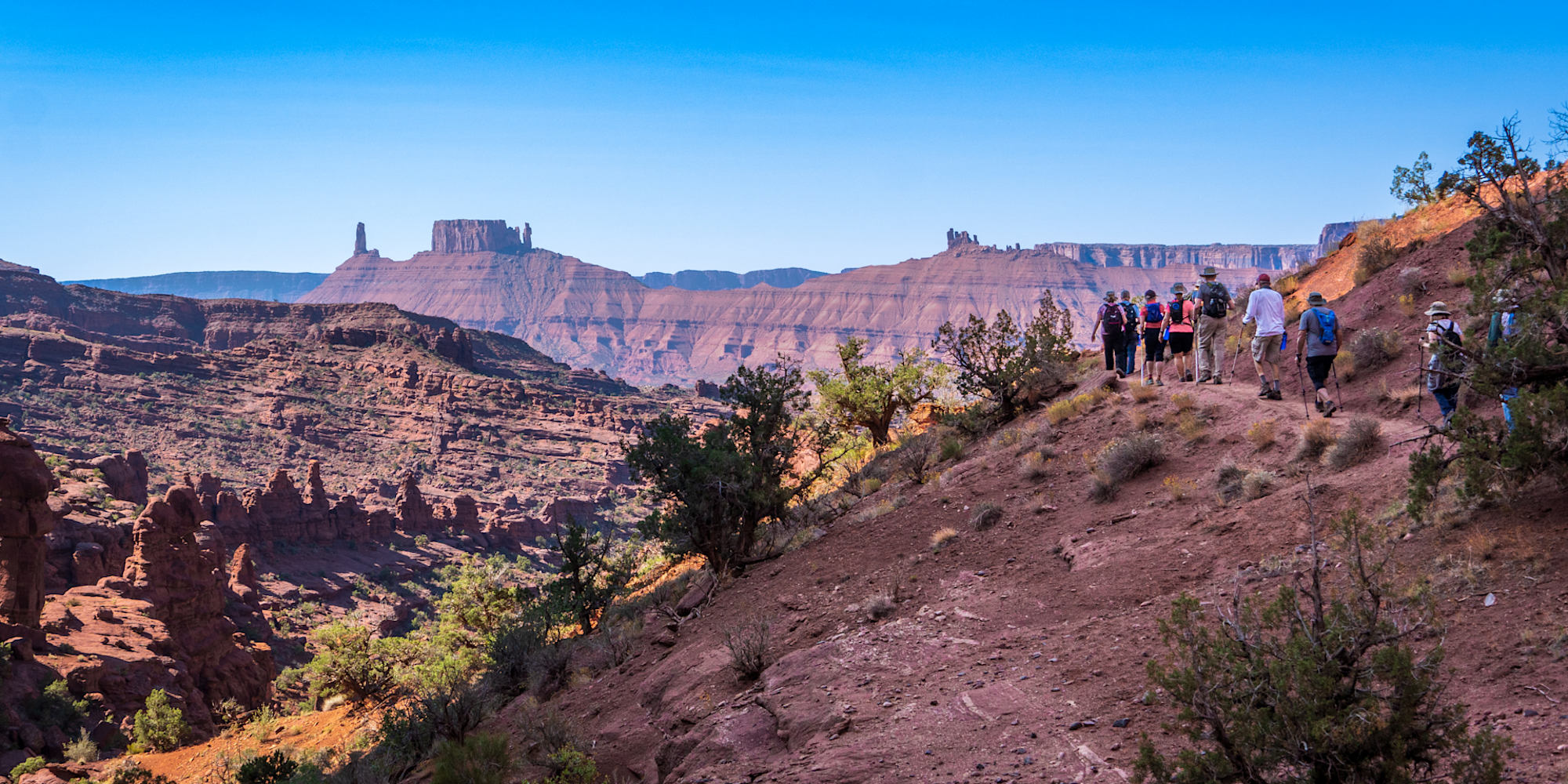
For most active travelers, spring and fall are the best seasons to visit Utah’s Mighty Five. These shoulder-season windows usually offer the most comfortable balance of hiking weather, daylight, and overall trip rhythm. The desert can still surprise you, but you are less likely to spend your days working around the most intense heat.
Spring brings fresh energy to Southern Utah. Mornings can be cool, desert plants begin to wake up, and the light has a clear, bright quality that makes sandstone glow. It is a beautiful time for travelers who want active days without the deeper heat of summer. Spring can also mean crowds around popular weeks, so planning ahead still matters.
Fall is a guide-favorite season for good reason. The days are often comfortable, the sun feels less punishing, and the pace can feel calmer once peak summer travel has eased. Cottonwoods may bring gold to canyon floors, especially around water corridors, and the cooler mornings make steady hiking more enjoyable.
Summer can absolutely work, especially for families tied to school calendars, but it asks for respect. In lower-elevation desert areas around Moab and Zion, the heat can change how a day should be planned. Early starts, shaded breaks, more water than you think you need, and a willingness to adjust activity timing are essential. Summer is not the season to wing it with a half-full bottle and a late-morning trail start.
Winter is quieter and can be spectacular, particularly when snow dusts red rock or Bryce Canyon’s hoodoos. It is also more variable. Higher-elevation parks like Bryce Canyon can feel wintry when lower-elevation areas are more moderate. The National Park Service notes that Bryce Canyon’s high-elevation weather can change quickly in any season, with autumn, winter, and spring bringing especially variable conditions. Bryce Canyon also reaches high elevations, with Rainbow Point listed at more than 9,000 feet. For winter travelers, layers, traction, and flexibility matter.
Park logistics can also shift by year and season. In Zion, private vehicles are generally not allowed on Zion Canyon Scenic Drive during shuttle season, so travelers should check the current shuttle schedule before planning trailheads. For Arches, the entry systems and crowd-management rules can change from year to year, so it pays to check in advance. Treat official park pages as part of your pre-trip checklist, not an afterthought.
The simple answer is this: choose spring or fall if comfort and hiking are your priority, summer if family schedules matter most and you can plan around heat, and winter if you are prepared for cold, shorter days, and possible snow or ice. We time our Mighty Five trips for spring, late summer, and fall. Check the dates on our Utah tour itineraries to find the best fit for you.
Plan Your Park Time Wisely: Where to Linger and Where to Slow Down
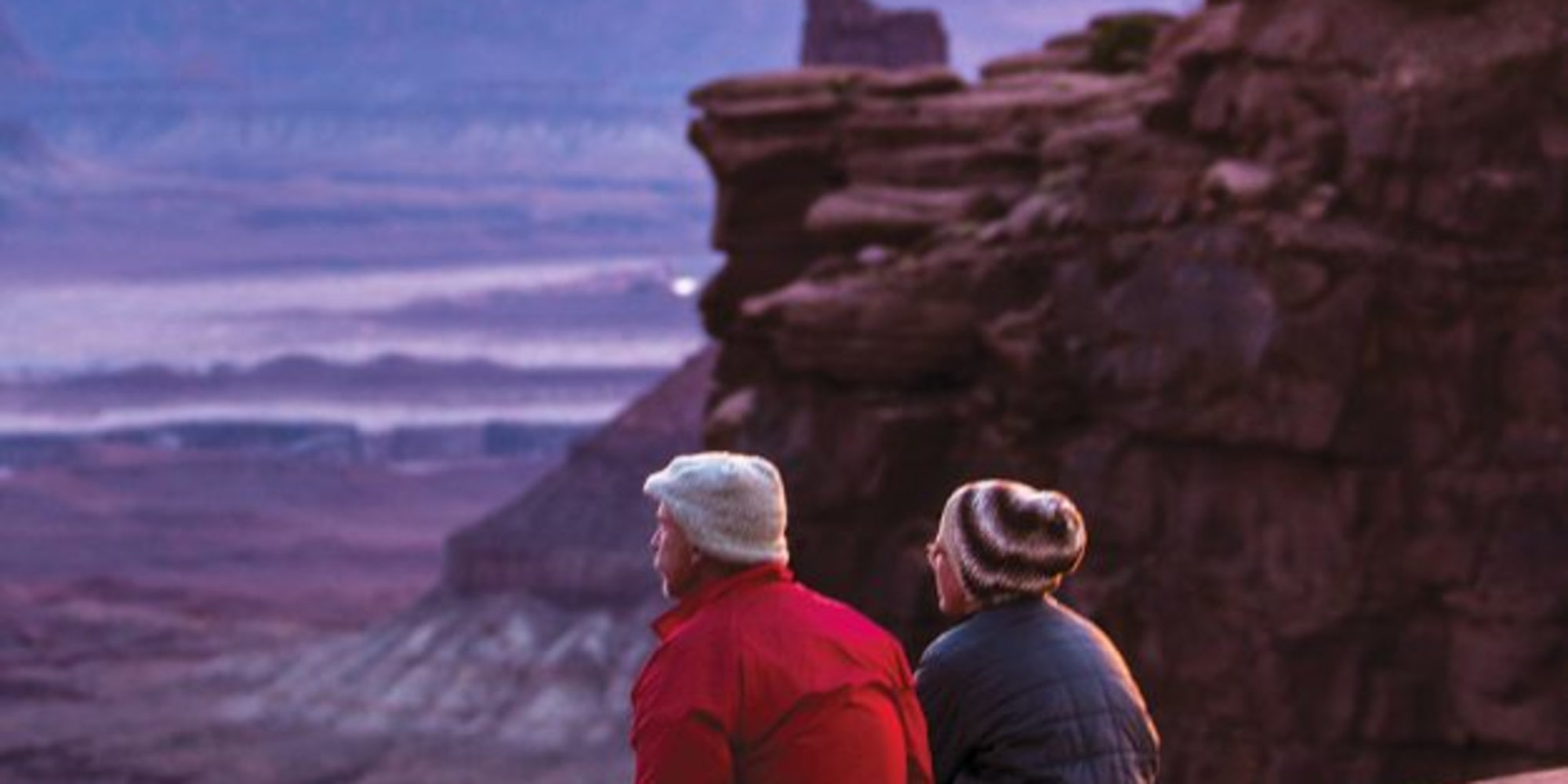
One of the most common Mighty Five planning questions is, “Which park should I spend the most time in?” The honest answer depends on your travel style, but for many first-time visitors, Zion, Arches, Canyonlands, and Bryce Canyon deserve the most careful time planning.
Zion often needs extra room because the experience is shaped by both scenery and logistics. Staying in or near Springdale can make the visit feel much smoother, especially when shuttle timing, trail access, meals, and afternoon downtime all matter. Zion is also a park where travelers often want options. One person may want a bigger hike, while another may prefer a gentler walk along the Virgin River. Building in time lets the canyon meet the group where they are.
Arches and Canyonlands are often paired from Moab, but they should not be treated as interchangeable. Arches is intimate and sculptural. Canyonlands is vast and panoramic. You may spend one morning walking among sandstone windows and another looking across the Island in the Sky toward a maze of canyons. Add Fisher Towers into the mix, and the Moab area can easily become one of the richest parts of the trip.
Bryce Canyon is sometimes planned as a quick rim stop, but that misses the point. The view from above is extraordinary, yet walking down into the amphitheater changes everything. Trails such as Queens Garden, Peek-a-Boo, and Wall Street let you move through the hoodoos rather than simply admire them from the edge. Because Bryce sits at higher elevation, the air can feel cooler and thinner than travelers expect, which is another reason not to rush.
Capitol Reef is the park many travelers underestimate. It may not have the same name recognition as Zion or Arches, but its quieter feel is part of the gift. The landscape opens wide here, with domes, cliffs, canyons, and the long story of the Waterpocket Fold written into the rock. A slower stop in Capitol Reef can be a welcome reset between the more famous parks.
The best Mighty Five preparation is not just deciding how many days to spend in each park. It is deciding where you want spaciousness. A trip with room for a slow overlook, an unhurried picnic, a guide’s story, or a short detour can feel far more memorable than one packed with nonstop movement.
Prepare for Desert Terrain, Changing Weather, and Active Days
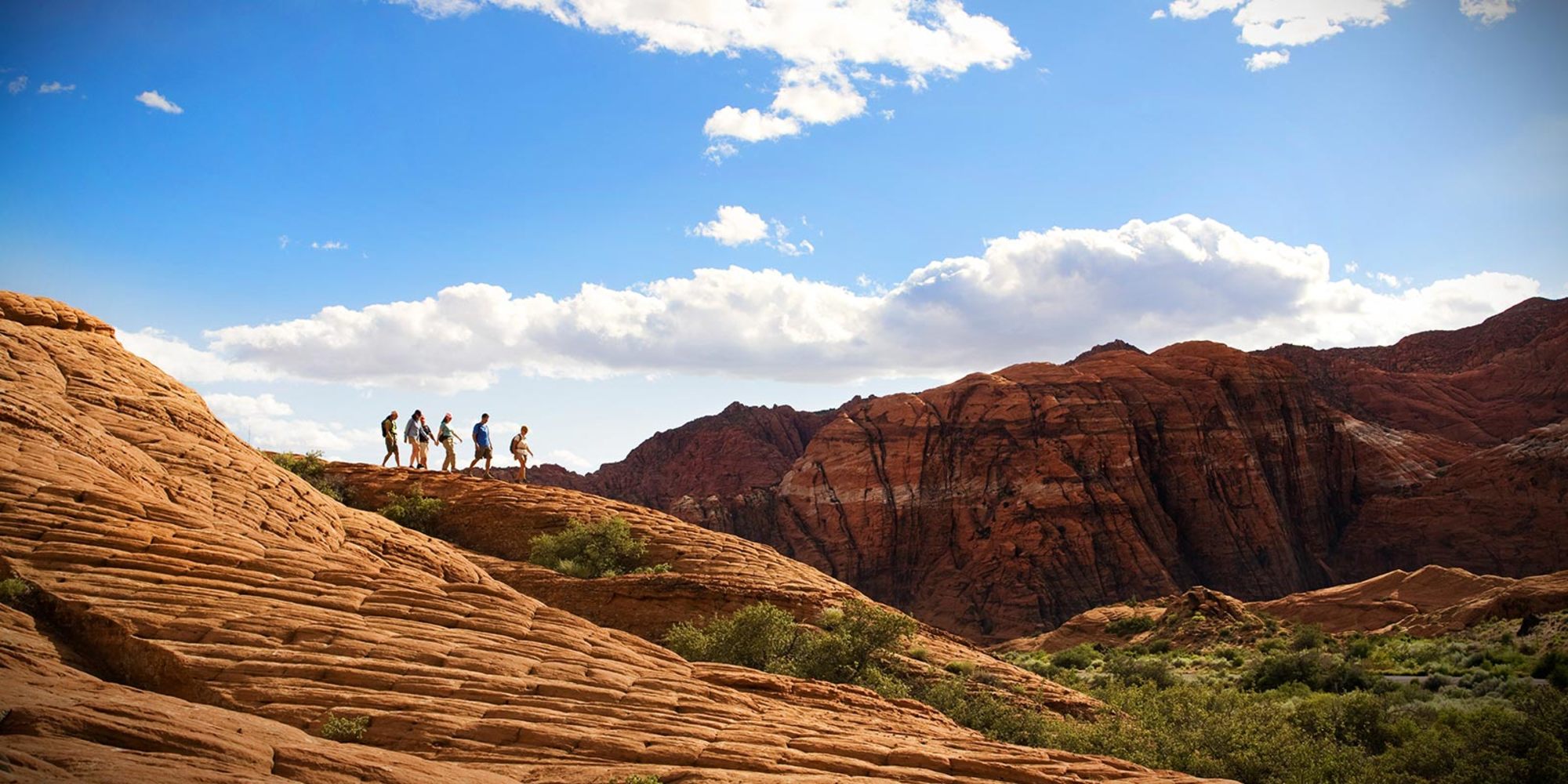
Our Mighty Five trip does not require you to be an elite athlete, but it does reward preparation. The terrain is varied, and that variety can surprise people who imagine all desert trails as flat, dry, and simple.
In Southern Utah, you may walk on slickrock, packed dirt, sand, gravel, stone steps, uneven canyon paths, and exposed rim trails. You may start in a cool morning layer and end the same hike in strong sun. You may move from the lower desert around Moab to the higher, cooler air of Bryce Canyon. In Zion, you may walk near the Virgin River, under canyon walls that hold shade in one place and reflect heat in another.
This is why activity level is about more than mileage. A short trail with sand, sun, and uneven footing can feel harder than a longer walk on smooth ground. A downhill route into Bryce Canyon’s amphitheater still requires an uphill return. A scenic overlook in Canyonlands may be easy to reach, but the scale, exposure, and lack of shade remind you that this is desert country.
Hydration is one of the most important parts of preparation. The National Park Service’s Canyonlands Island in the Sky trail guidance recommends drinking at least one gallon of water per day and notes that potable water is not available along hiking trails in that district. That advice is worth taking seriously across the region. Even when the air feels cool, desert dryness can catch up with you.
Weather awareness matters too, especially around slot canyons. Slot canyon experiences can be unforgettable, but they require professional judgment, proper equipment, and careful attention to forecasts. If your trip includes a guided slot canyon or canyoneering element, follow outfitter instructions closely. Helmets, harnesses, ropes, route selection, and weather calls are not details to improvise.
For families and multigenerational travelers, preparation also means pacing. A well-designed day might include one featured hike, a scenic stop, time for lunch, and a late-afternoon moment that does not require everyone to rally for another big effort. The goal is to finish the day happily tired, not depleted.
Think Through Driving, Lodging, Packing, and Guided Support
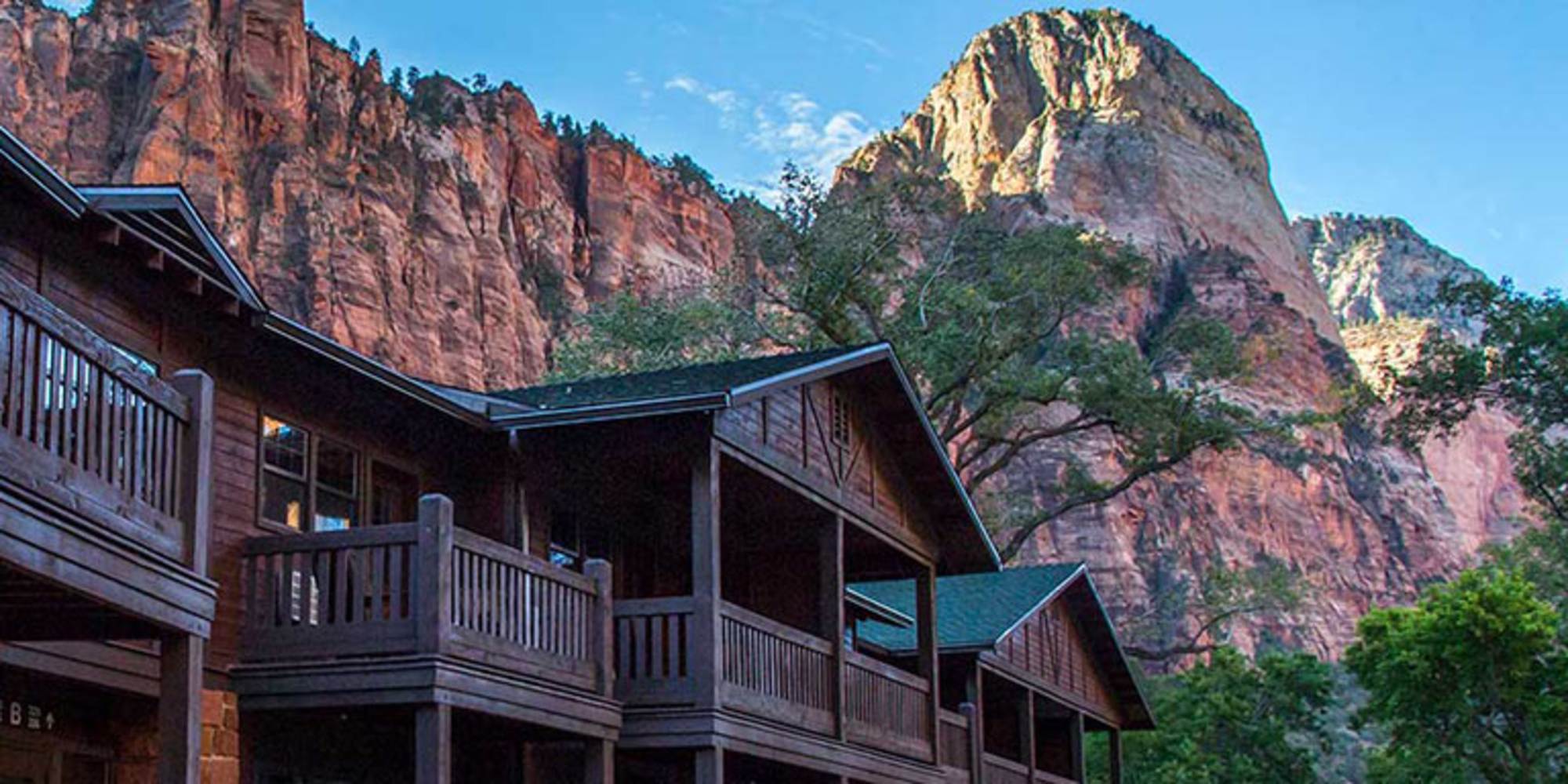
The distances are real on a Mighty Five adventure, but the road between parks is not empty space. It is where the landscape changes character: Moab’s red-rock desert giving way to the open sweep near Capitol Reef, Bryce’s high plateau air, and the canyon country around Zion.
Good planning means choosing base areas that reduce friction. Moab works beautifully for Arches, Canyonlands, Fisher Towers, and the surrounding desert landscape. Torrey is a natural gateway for Capitol Reef, with a quieter feel that suits the park. Bryce Canyon City keeps you close to the rim and amphitheater trails. Springdale is one of the most convenient bases for Zion, especially when shuttle access, restaurants, and relaxed evenings are part of the plan.
Accommodation matters because active travel depends on rest. After a day of hiking, dusty shoes, changing weather, and big scenery, it is a relief to land somewhere comfortable. For Austin Adventures travelers, lodging is not just a place to sleep. It supports the rhythm of the trip: early starts when needed, easy access to the next day’s adventure, and enough comfort to help you feel ready again by morning.
Packing should focus on comfort, sun protection, hydration, and layers. Bring broken-in hiking shoes with good tread, moisture-wicking layers, a warm layer for cool mornings and evenings, a light rain shell, sun hat, sunglasses, sunscreen, and a daypack with enough water capacity. Add snacks, any personal medication, blister care, and a small dry bag or pouch for items you want protected from dust or sudden weather.
Guided versus independent travel is one of the biggest planning decisions. Independent travel involves a lot of planning and coordinating, but can be a great fit if you enjoy managing routes, reservations, meals, trail research, park rules, weather decisions, and arranging backup plans. A guided Mighty Five trip is better suited to travelers who want the adventure without having to carry every logistical detail themselves.
That support is especially valuable in national parks, where timing and flexibility can shape the whole day. Our expert guides help read the weather, adjust plans, pace the group, keep water and snacks moving, share local context, and find moments that do not always appear on a map. For couples, families, solo travelers, and multigenerational groups, that can make the trip feel easier, safer, and more connected.
The best guided trips do not remove the adventure. They remove the friction around it.
Let the Red Rock Shape the Story
Utah’s Mighty Five is not the kind of place you simply pass through. It stays with you in color and texture: the orange glow of Arches, the wide silence of Canyonlands, the folded stone of Capitol Reef, the hoodoo-filled amphitheaters of Bryce, and the deep canyon calm of Zion.
Good preparation helps you enjoy all of it more fully. Choose the season that fits your comfort. Give the parks enough time for you to fully appreciate them. Pack for sun, cool mornings, uneven trails, and changing weather. Take driving seriously, but let the road become part of the experience. Consider all the advantages of guided support: it will help you relax into the journey instead of managing every moving part yourself.
With Austin Adventures, the heart of the Mighty Five is not just seeing five national parks. It is having the space to notice them. To walk into a canyon with people you love. To learn something from our experienced guides that changes how you see the rock beneath your feet. To end the day tired, well-fed, and already wondering what tomorrow’s light will reveal.
Come prepared. Stay curious. Let Southern Utah do what it does best.
Explore all five Utah parks with us here at Austin Adventures!
