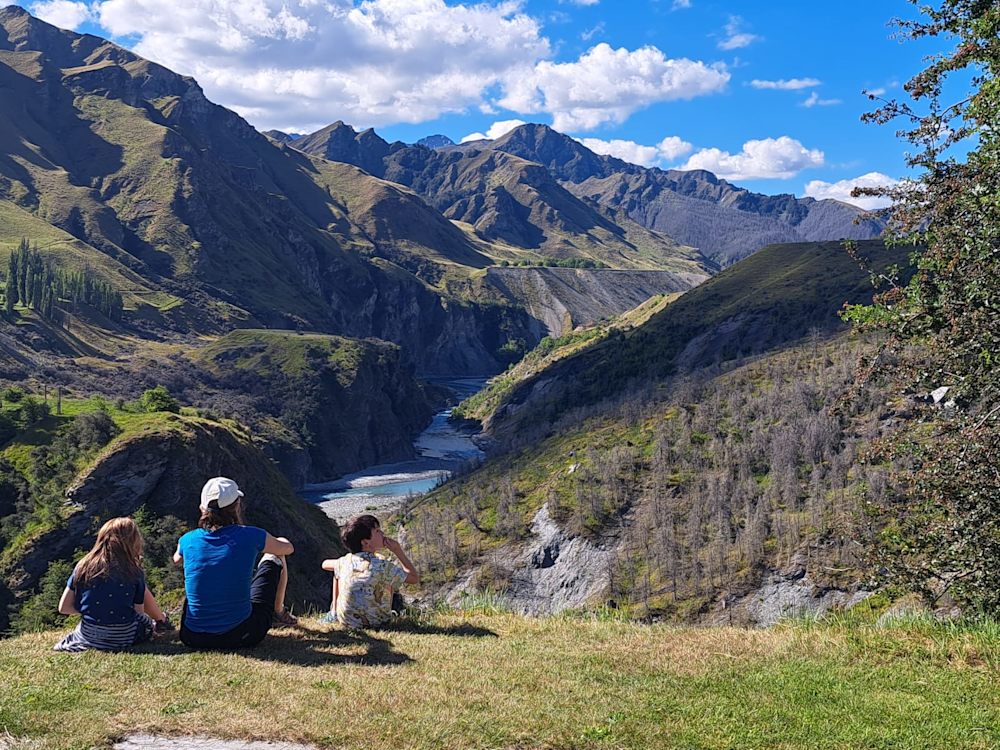
There are family vacations where everyone sees something beautiful, and then there are family vacations where everyone feels part of the adventure. New Zealand belongs in that second category.
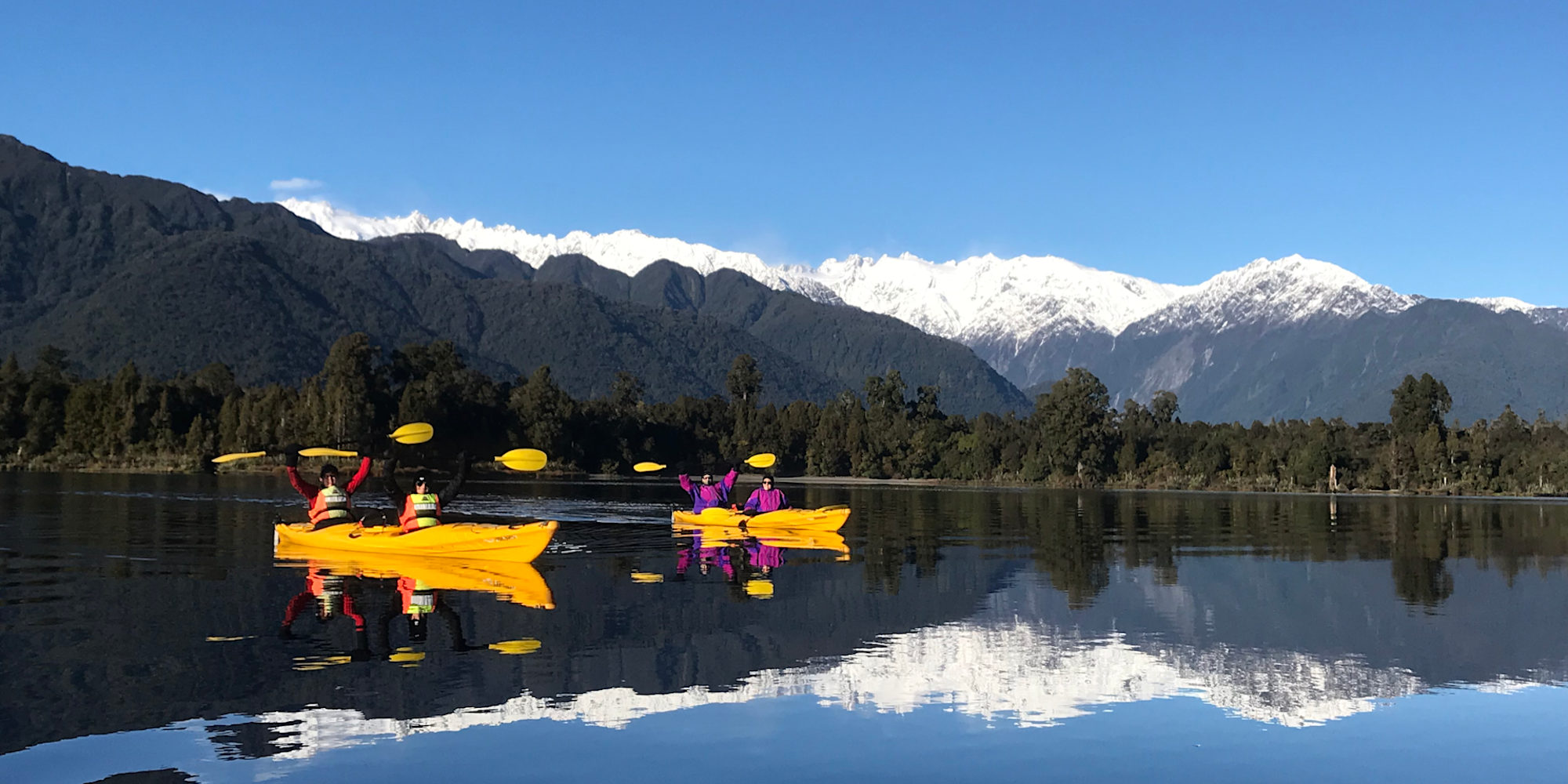
In the South Island, the scenery does not stay politely in the background. It pulls you outside. One day, your family might be walking beneath Aoraki/Mount Cook (New Zealand's tallest peak), watching swing bridges cross glacial rivers and icebergs drift in pale blue water. A few days later, you could be rafting near Queenstown, crossing Lake Wakatipu on a historic steamship, paddling Lake Mapourika on the West Coast, looking for glowworms after dark, or wandering through the limestone formations of Castle Hill. It is active, but not extreme. Wild, but welcoming. Big enough to feel like a once-in-a-lifetime trip, yet full of moments that feel wonderfully simple.
New Zealand is one of the best family vacation destinations for active travelers because it combines approachable hiking, lakes, glaciers, rainforest, wildlife, adventure towns, and warm local culture in one spectacular country. For families who want the joy of adventure without managing every drive, weather call, activity booking, and meal plan themselves, a guided South Island trip can make the experience feel easier, safer, and more rewarding. The best time for most active families to visit is late spring through early fall, especially November through April, when days are longer and hiking, kayaking, rafting, and lake activities are easier to enjoy.
New Zealand is Ideal for Active Families
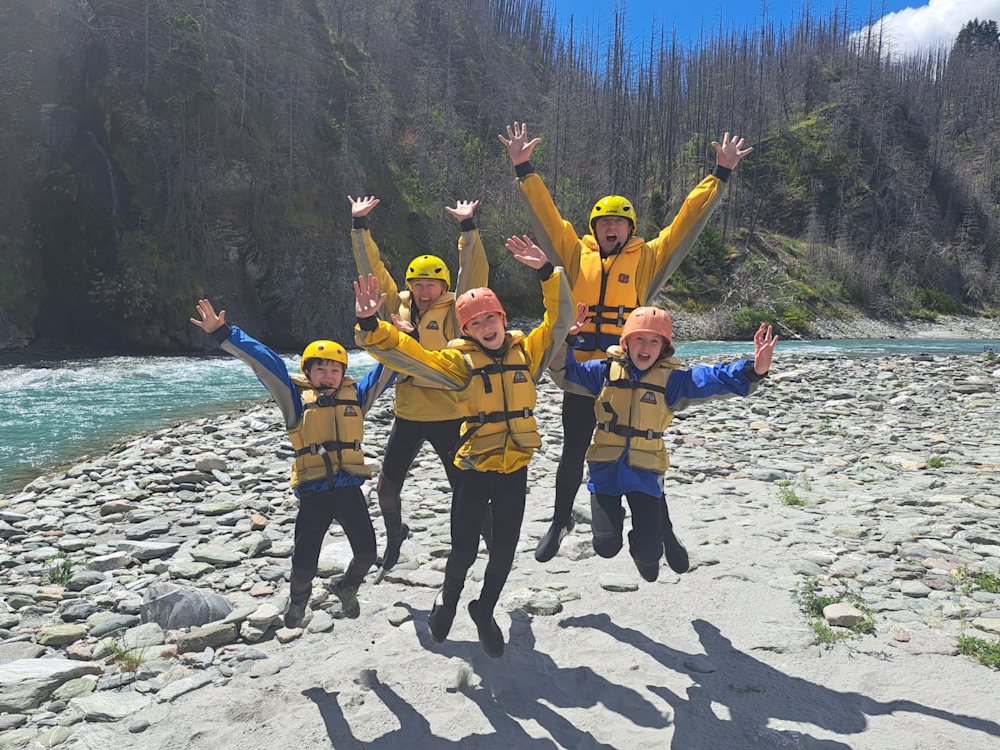
New Zealand works beautifully for active families because the country offers a rare mix of variety and accessibility. The South Island alone can take you from Christchurch to alpine hot pools, braided rivers, ancient forests, glacier-fed lakes, mountain national parks, adventure towns, rainforest, wild beaches, and high-country passes. That variety keeps kids, teens, parents, and grandparents engaged because the trip never settles into one repeated rhythm. Each day has a new texture.
It also helps that many of the best family experiences are active without feeling overly intense. In Austin Adventures’ New Zealand family trip, travelers can jet boat through the Rakaia Gorge, walk through Peel Forest, hike in Aoraki/Mount Cook National Park, raft near Queenstown, explore Glenorchy, cruise Lake Wakatipu to Walter Peak Station, spend time in Wānaka, overnight in Mount Aspiring National Park, kayak Lake Mapourika, walk near Franz Josef Glacier, visit Hokitika, explore Arthur’s Pass, and hike Castle Hill Basin. These are real outdoor experiences, but they are designed with families in mind rather than built only for hard-core adventurers.
For first-time visitors, New Zealand also feels reassuring. Everybody speaks English, towns like Queenstown and Wānaka are easy to enjoy, and the outdoor culture is friendly rather than intimidating. Families who are used to national parks, hiking vacations, or multi-activity trips in North America often find the South Island familiar enough to feel comfortable and different enough to feel thrilling.
The real magic, though, is how easily the landscape creates shared memories. Kids may remember the thrill of a jet boat long after they forget the name of the river. Parents may remember a quiet morning by Lake Pukaki or the relief of watching guides handle the details. Grandparents may remember seeing everyone fully present, phones tucked away, eyes up, cheeks flushed from the day. That is the heart of an active New Zealand family vacation.
When is the Best Time for a New Zealand Family Vacation?

The best time for most active family vacations in New Zealand is late spring through early fall. For North American travelers, that means roughly November through April, with December through February bringing summer warmth and March and April offering a calmer shoulder-season feel. Tata AIG’s seasonal guide also identifies summer as December to February, autumn as March to May, winter as June to August, and spring as September to November, which is helpful for families planning around the reversed Southern Hemisphere calendar.
Summer is the easiest season for many families because days are long, outdoor activities are in full swing, and towns like Queenstown have a lively, lakeside energy. This is a strong window for rafting, kayaking, hiking, scenic lake time, and relaxed evenings after active days. It is also the busier travel season, so families should plan ahead for flights, accommodations, and guided trip availability.
Autumn can be especially appealing for active travelers who prefer slightly cooler walking weather and fewer peak-season crowds. March and April often bring settled days, golden light, and a gentler feel in popular areas. Families who do not need to travel during school vacation weeks may find this one of the most comfortable windows for hiking and sightseeing.
Spring brings fresh landscapes, snow still lingering on higher peaks, and the feeling that the whole country is waking up. Weather can be more changeable, but families who like quieter trails and do not mind layering up may love the energy of the season. Winter shifts the focus. Queenstown becomes a snow-season hub, with ski areas nearby, while some warm-weather activities change or pause. On the Austin Adventures’ New Zealand family trip, Queenstown rafting is closed from June to September, and so the experience shifts to the gondola and luge instead, which is a great example of seasonal flexibility.
No matter when you go, families should prepare for changeable weather. New Zealand’s South Island includes alpine terrain, rainforest, lakes, rivers, and coast, and conditions can vary from place to place. The best plan is not to chase a perfect forecast. It is to choose the season that fits your family’s style, pack well, and travel with enough flexibility to let the day unfold.
Where Should Active Families go in the South Island?
For a first active family vacation in New Zealand, the South Island is the place to focus. It offers the mountain scenery travelers dream about, but it also delivers the practical variety families need: approachable towns, memorable activities, wildlife encounters, scenic drives, and landscapes that change dramatically over the course of the trip.
Christchurch makes a gentle starting point, especially for families arriving after a long international journey. The International Antarctic Centre gives kids and adults a hands-on connection to New Zealand’s Antarctic story, including penguins and interactive experiences. From there, Canterbury opens into wide landscapes, hot pools near Methven, the Rakaia Gorge, and Peel Forest, where ancient trees and fern-filled trails offer an early taste of the country’s natural character. Austin Adventures’ itinerary includes Christchurch, Methven, the Rakaia Gorge, Peel Forest, Aoraki/Mount Cook, and Lake Pukaki in the early part of the trip.
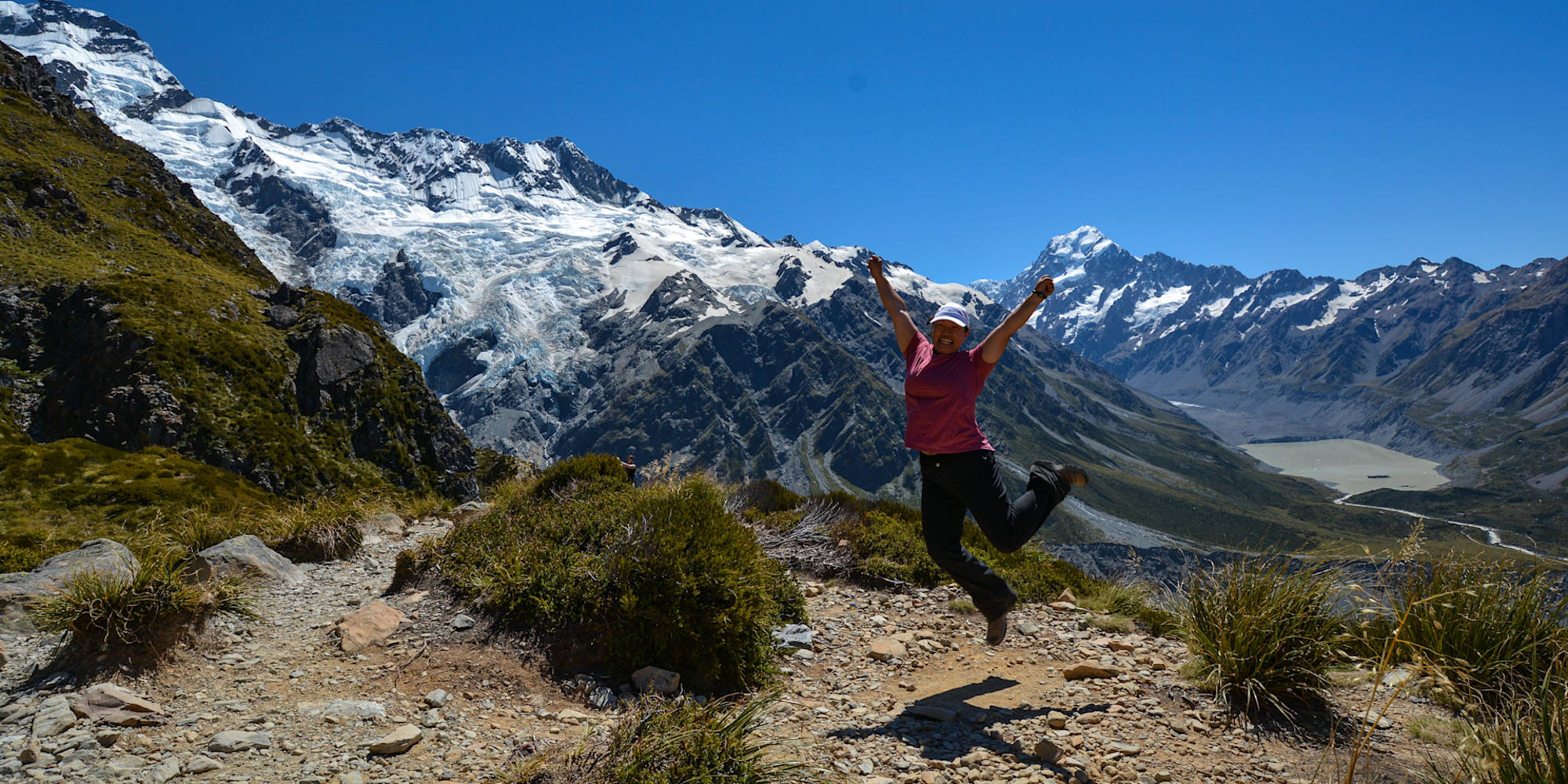
Aoraki/Mount Cook National Park is one of the strongest places to help families understand the scale of the South Island. The mountains feel close, the glacial lakes glow blue, and the walks can be tailored to the day. Austin Adventures’ trip page describes both the more challenging Sealy Tarns hike and the easier Hooker Valley hike, giving families different ways to experience the area depending on energy, weather, and ability.
Queenstown is the South Island’s best-known adventure hub, but families should not think of it only as a thrill-seeker’s town. It works because it has range. There is rafting through Skippers Canyon, lakefront time, cafés, playgrounds, the gondola and luge, hiking, optional activities, and the chance to cross Lake Wakatipu aboard the TSS Earnslaw to Walter Peak Station. Nearby Glenorchy adds a quieter, wilder feel at the far end of the lake, with mountain views that make even a short walk feel memorable. There are even The Lord of the Rings locations in this area to check out!
Wānaka and Mount Aspiring National Park bring the pace back to mountains, beech forest, and simple family adventure. An overnight in a backcountry hut can become one of the defining memories of the trip, especially for kids who love the idea of sleeping somewhere that feels far from everyday life. Farther west, Haast, Lake Matheson, Franz Josef Glacier, Lake Mapourika, Hokitika, and then north to Arthur’s Pass, and Castle Hill add rainforest, glacier views, paddling, glowworms, pounamu (New Zealand greenstone or jade) carving culture, alpine passes, and natural rock formations that invite curiosity at every age.
How Hard is a New Zealand Family Adventure?
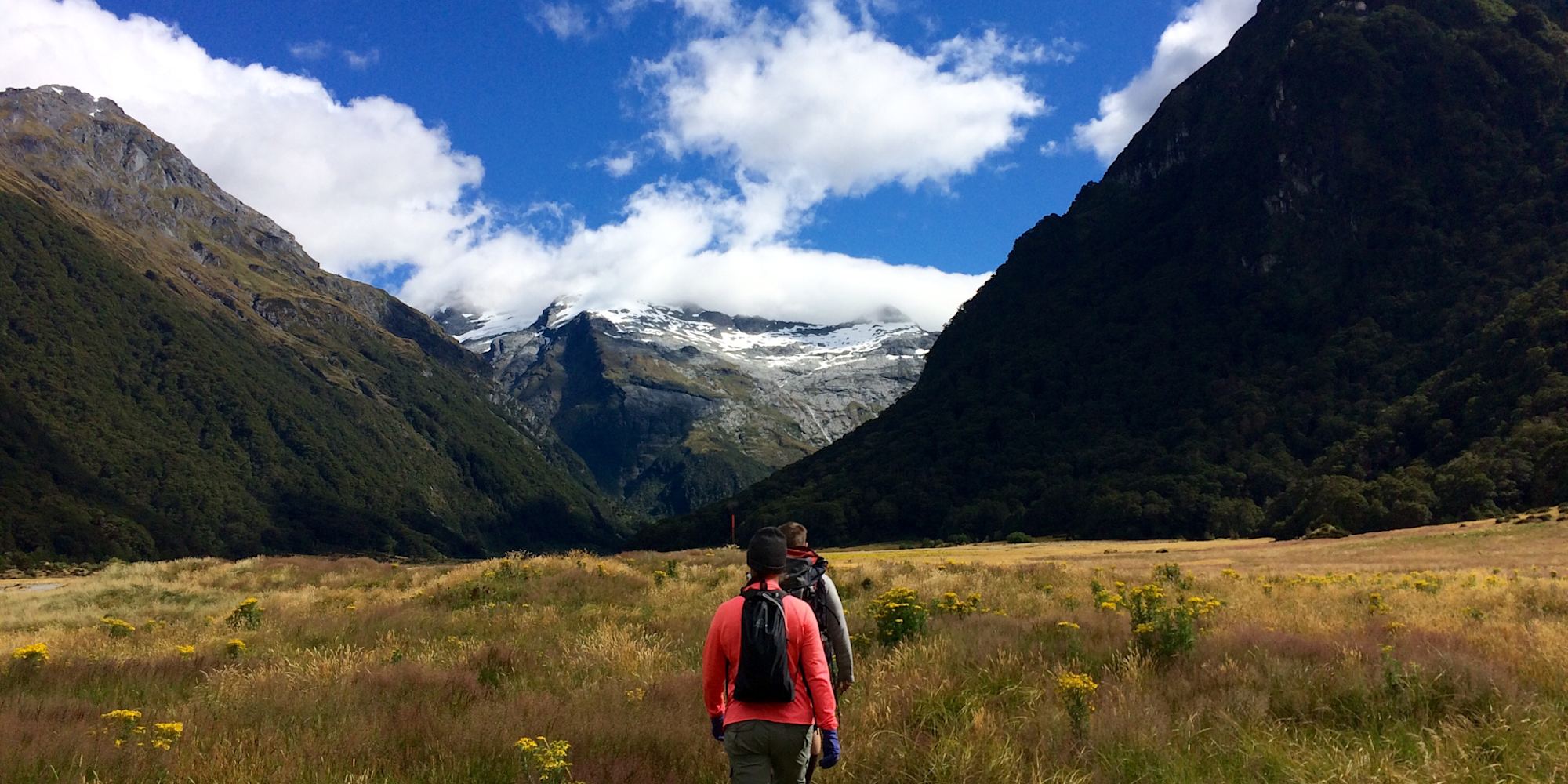
A New Zealand family adventure can be active without feeling extreme, but it is still important to choose the right trip for your family’s comfort level. The South Island is not a theme park version of the outdoors. Trails can be uneven, weather can change, and some days involve several hours outside. That is part of what makes the experience feel so rewarding.
Most active families should be comfortable walking on natural surfaces, spending time on their feet, carrying a small daypack, getting in and out of boats or rafts, and adapting when the day calls for a different layer or a slightly different plan. Around Aoraki/Mount Cook, for example, families may choose between a more demanding hike and an easier glacial valley walk. In Mount Aspiring National Park, you'll hike to a mountain hut, with travelers carrying a sleeping bag, a few spare clothes, and some food, but not a heavy expedition pack.
That kind of variety is exactly why guided support matters. The goal is not to push every traveler to the same limit. The goal is to help each person feel included, encouraged, and proud of what they accomplished. Austin Adventures excels at being welcoming, human, safe, friendly, and inclusive, with flexibility for different abilities and levels.
For multigenerational families, this can be especially helpful. One traveler may be excited for every uphill step. Another may prefer a gentler option and a little more time to take photos. Kids may have bursts of energy followed by sudden snack-related emergencies. A good family adventure makes room for all of that. It gives structure to the day without turning the trip into a test.
The best preparation is simple: walk regularly before you go, break in your shoes, practice using a daypack, and get kids used to being outside in different weather. Families do not need to arrive as elite athletes. They should arrive ready to participate, stay curious, and laugh when the trail gets muddy.
Guided vs. Independent: What is Easier for Families?
Independent travel in New Zealand can be good for families who have a lot of time and enjoy planning every detail. Self-drive resources often focus on routes, rental cars, accommodations, and family-friendly stops, and that style can work well for travelers who have plenty of time and enjoy managing logistics. New Zealand road distances may look short on the map, but extra time needs to be built in to account for windy and hilly sections.
Independent travel also comes with a long list of decisions. Families need to manage driving distances, weather, left-side driving, activity bookings, meal planning, gear, lodging, backup plans, and the daily question of what everyone has energy for. In a place as scenic as the South Island, that mental load can quietly take parents out of the moment.
A guided trip changes the feel of the vacation. Instead of figuring out where to stop, when to leave, what to pack for the day, and whether the weather is shifting, your family can settle into the experience. Austin Adventures’ New Zealand family trip includes experienced guides, a driver, a cook, many meals, activities, equipment, snacks, trekking packs, sleeping bags, and hiking poles, which means many of the small but important details are already handled.
That support is not just convenient. It can change how families experience the destination. Parents can watch the view instead of the map. Kids can ask questions of a local who knows the landscape. Grandparents can feel looked after. Everyone gets to be more present.
A guided trip is usually the better fit for families who want premium support, small-group connection, and a well-paced adventure with room for comfort. For families investing in a long-haul New Zealand vacation, guide-led travel can remove a lot of friction from the experience and your local guides enrich the experience sharing insights and knowledge.
Come for the Scenery, Leave with a Family Story
A New Zealand family vacation is not just about seeing mountains, lakes, glaciers, and rainforest. It is about what those places bring out in your family.
It is the child who discovers they like hiking more than they thought. The parent who finally stops checking the next reservation and looks up at the Southern Alps. The grandparent who laughs during the splashy part of the river trip. The teenager who pretends not to be impressed, then quietly takes fifty photos of Lake Wakatipu.
For active travelers, the South Island offers the right mix of wonder and movement: Aoraki/Mount Cook, Queenstown, Glenorchy, Wānaka, Mount Aspiring National Park, Franz Josef Glacier, Lake Mapourika, Hokitika, Arthur’s Pass, Castle Hill, and the wild spaces in between. With Austin Adventures, the trip becomes easier to enjoy because the details are handled, the guides know how to shape the day, and the focus stays where it belongs: on your family, the landscape, and the memories you are creating together.
Join us for an active family adventure in New Zealand!
Written by Madeline Miller, part of the Austin Adventures team, with insight from a company that’s been creating guided adventure vacations in our National Parks since 1985.