Posted 3 months ago
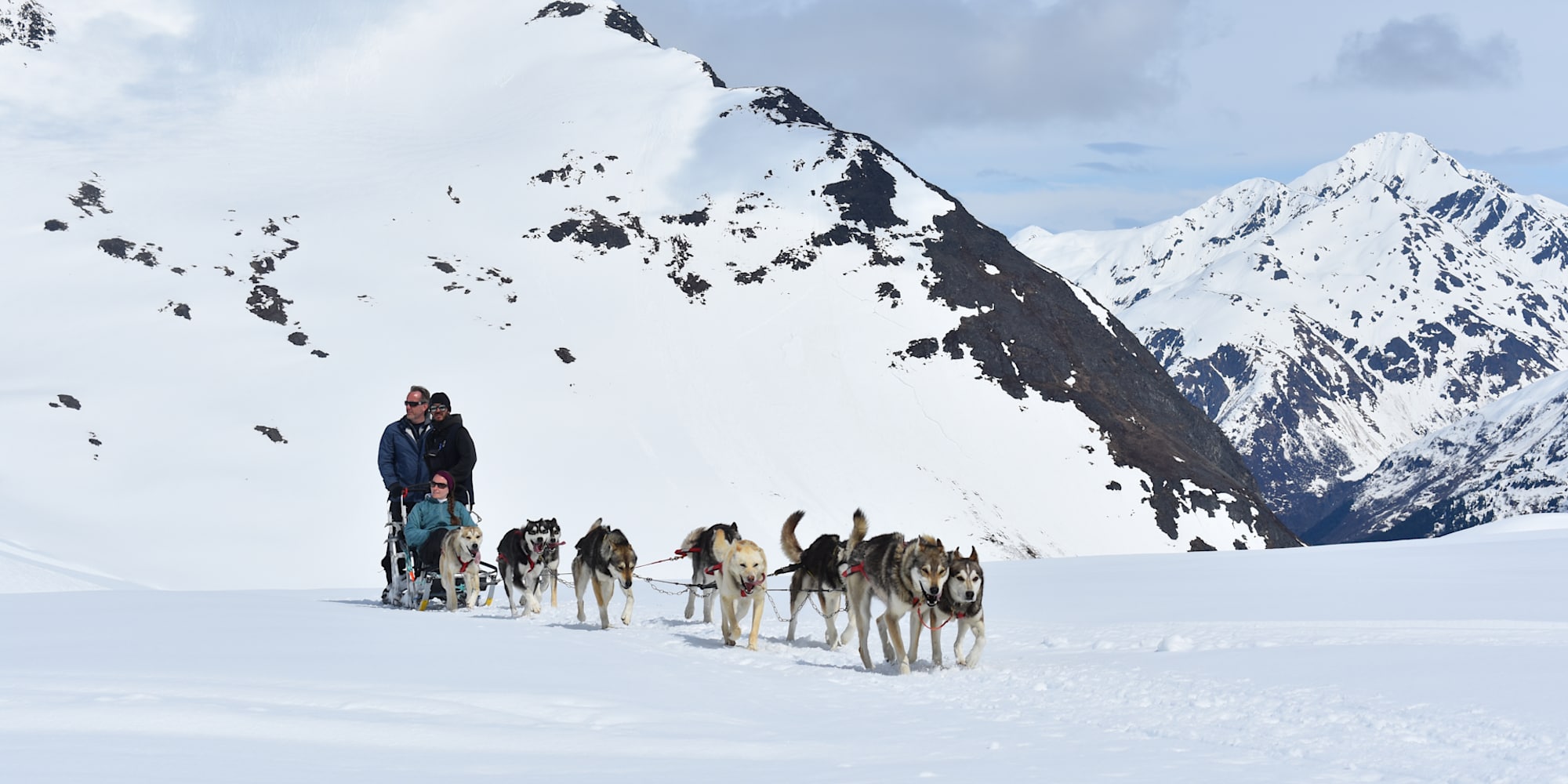
Kenai Fjords National Park is where Alaska feels especially alive. Glaciers pour down from the Harding Icefield, seabirds gather along rocky cliffs, sea otters roll through cold green water, and the mountains seem to drop straight into the sea. It is dramatic, wild, and deeply rewarding, but it is also a park that asks for a little planning.
So, what are the best things to do in Kenai Fjords National Park? For most first-time visitors, the strongest experience combines a wildlife and glacier cruise from Seward, time at Exit Glacier, a hike toward the Harding Icefield if your legs are ready for it, and a kayaking experience in Resurrection Bay or another protected coastal area. Much of the park is best reached by boat, while Exit Glacier is the most accessible land-based area, so pairing water and trail time gives you the fullest sense of the park.
The best Kenai Fjords trip is not about doing everything. It is about choosing the experiences that match your travel style. Families may want a shorter cruise, a scenic walk near Exit Glacier, and time in Seward. Hikers may want a more ambitious day on the Harding Icefield Trail. Wildlife lovers may prioritize time on the water. And travelers who prefer a smoother, more supported experience may find that a guided small-group trip helps them relax into the adventure instead of managing every detail.
With Austin Adventures, Kenai Fjords is part of a bigger Alaska story. The experience can connect the marine world of Resurrection Bay and Aialik Bay with the glacial landscapes around Exit Glacier and the Harding Icefield, plus inland adventures such as Kenai River Canyon. The result is a trip that feels varied, active, and full of those quiet “wow” moments that happen when Alaska has your full attention.
Start with the Classic Kenai Fjords Experience: A Wildlife and Glacier Cruise
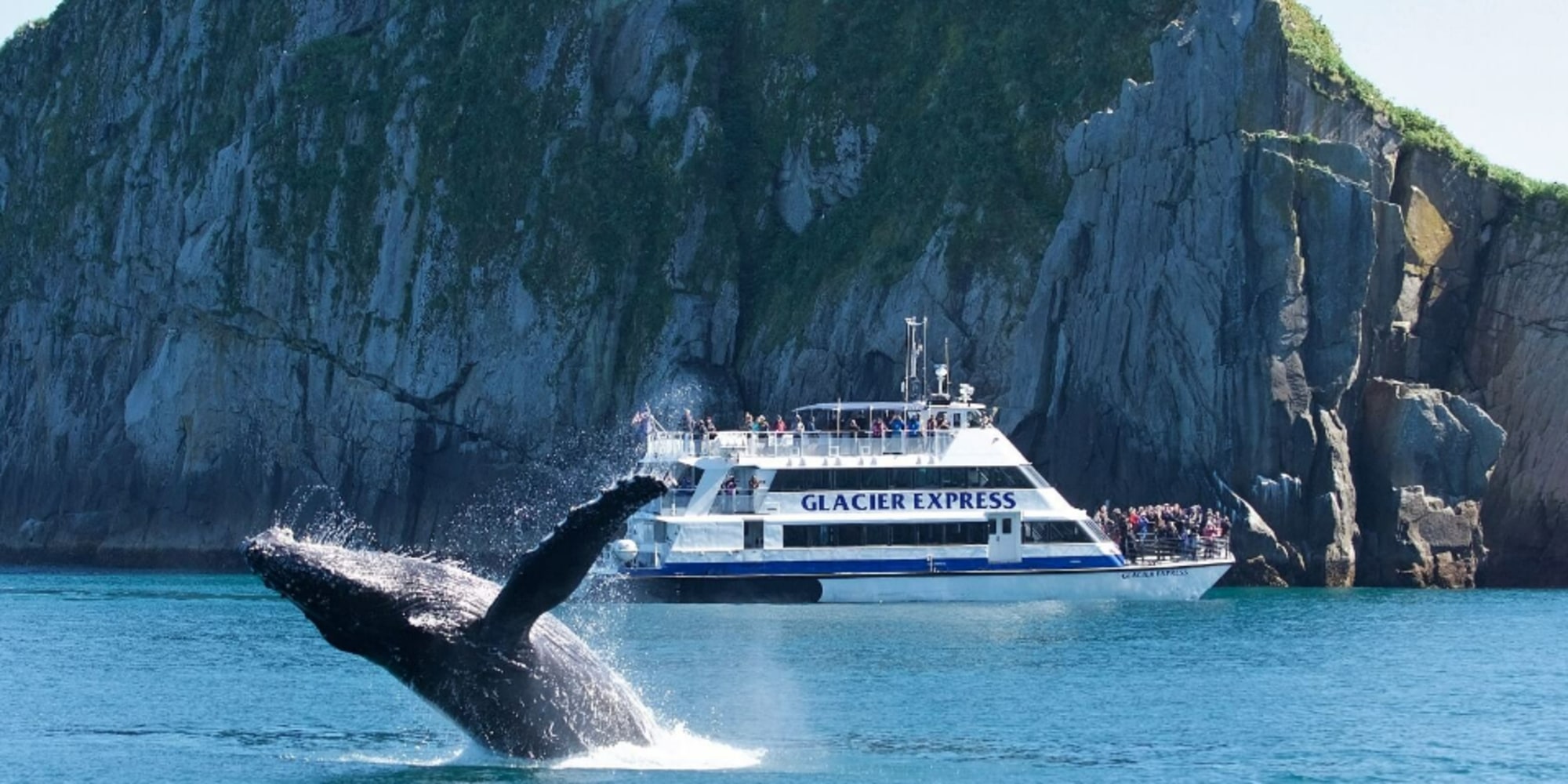
A wildlife and glacier cruise is one of the best things to do in Kenai Fjords National Park because it takes you into the part of the park that roads cannot reach. From Seward, boats head into Resurrection Bay and, on longer routes, toward the deeper fjords, tidewater glaciers, and wildlife-rich waters that make this coastline so unforgettable.
This is often the easiest and most rewarding first activity for travelers who want to understand the scale of the park. From the water, Kenai Fjords feels immense. Forested slopes rise from the shoreline, glaciers glow blue in the distance, and every few minutes someone seems to spot something: a bald eagle overhead, sea lions gathered on the rocks, puffins skimming the surface, or the smooth dark curve of a whale’s back.
A cruise is especially good for first-time visitors, families, photographers, and wildlife lovers. It gives you a chance to see a lot without requiring a strenuous hike. It also suits multi-generational travelers because everyone can share the same experience, even if different people in the group have different activity levels. The main planning question is how much time you want on the water. Shorter Resurrection Bay cruises can be a good fit for families or travelers prone to seasickness, while longer cruises offer a better chance of reaching tidewater glaciers and more remote wildlife areas.
Weather is part of the experience. Even in summer, boat decks can feel cold and windy, and conditions can change quickly. Pack warm layers, a waterproof jacket, hat, gloves, sunglasses, and any seasickness medication you may want. A sunny day can feel glorious, but a misty day has its own magic: low clouds over the water, rain-dark cliffs, and waterfalls appearing along the rock.
The best cruises feel less like sightseeing and more like being let into a living landscape. You are not just looking at scenery; you are watching ice, ocean, weather, and wildlife interact in real time. That is what makes Kenai Fjords such a powerful start or centerpiece to an Alaska adventure.
Visit Exit Glacier and Hike Toward the Harding Icefield
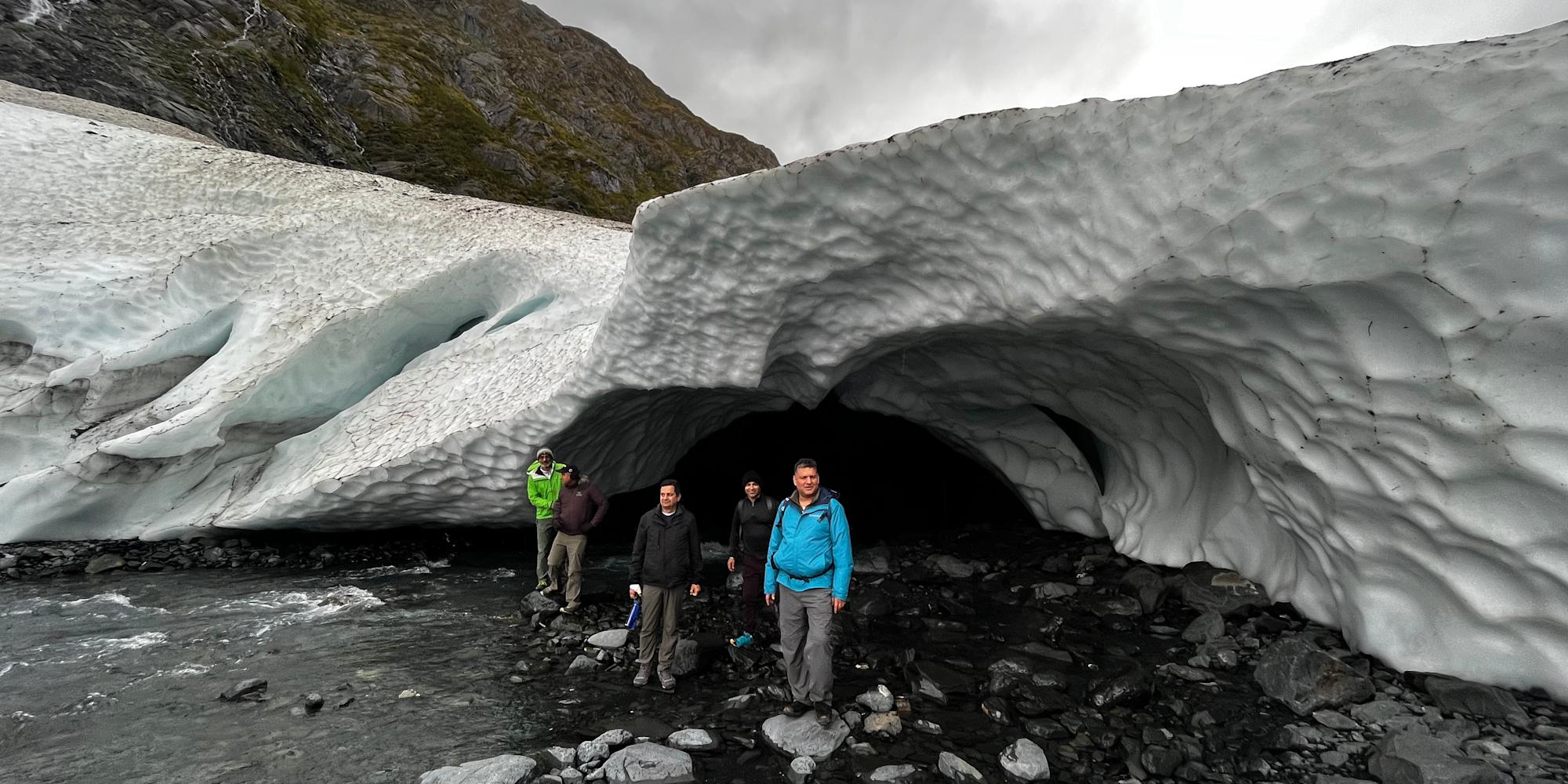
Exit Glacier is the place to go when you want to experience Kenai Fjords on foot. It is the most accessible land-based area of the park and a natural choice for travelers who want glacier views, trails, and a clearer sense of how ice has shaped the valley. For many visitors, it is the perfect counterpoint to a day on the water.
The Exit Glacier area works well for a wide range of travelers because you can tailor the experience to your energy level. A shorter visit can focus on easier paths, glacier viewpoints, interpretive signs, and time to look across the valley. Families and first-time visitors often appreciate that this area offers a tangible glacier experience without requiring a major backcountry outing.
For strong hikers, the Harding Icefield Trail is one of Alaska’s great day hikes. It climbs from the valley floor through forest, brush, meadow, and alpine terrain toward wide-open views of the Harding Icefield. It is a serious hike, not a casual stroll, and the reward is the feeling of standing near the edge of a vast, ancient world of ice.
How hard is the hike? Expect steep, sustained climbing, uneven trail, changing weather, and the need to manage your pace carefully. You do not need to be an elite athlete, but you should be comfortable with a full, demanding hiking day if you plan to go far up the trail. Many travelers do not need to complete the whole route to have a memorable experience. Even hiking partway can offer beautiful views, a sense of accomplishment, and a closer connection to the glacier-carved landscape.
This is where guide support can be especially valuable. A good guide helps match the day to the group, the trail, and the weather. That might mean aiming for a higher viewpoint if conditions are right, turning around earlier if the group is better served by a gentler day, or helping guests understand what they are seeing along the way. In Kenai Fjords, the goal is not to prove something to the mountain. It is to move through the landscape with curiosity, care, and enough energy left to enjoy the evening.
Kayak Resurrection Bay and Experience the Coast at Water Level
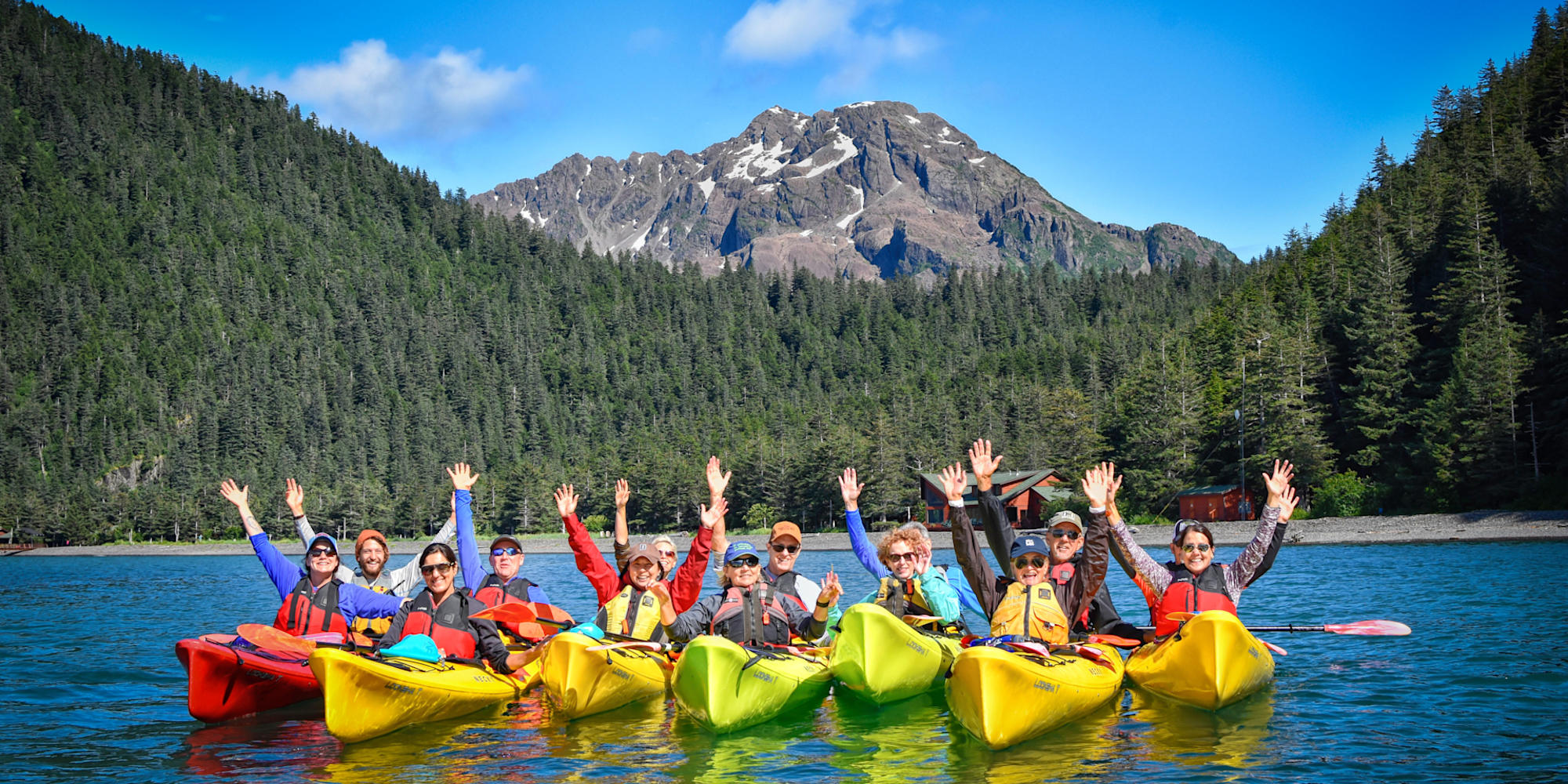
Kayaking is one of the most personal ways to experience the Kenai Fjords region. A cruise shows you the grandeur of the coast; a kayak brings you closer to its rhythm. You hear the soft dip of the paddle, feel the lift of the water beneath you, and notice smaller details that are easy to miss from a larger boat.
Resurrection Bay is a wonderful place to consider kayaking because it offers coastal scenery, wildlife possibilities, and access from Seward. Depending on conditions and route, you may paddle near forested shoreline, watch seabirds move across the water, or pause to take in the scale of the mountains rising around the bay. It is active without needing to feel extreme, especially when done with experienced local guides.
Is kayaking in Kenai Fjords good for beginners? It can be, but beginners should go guided. Alaska’s coastal waters are cold, weather can shift, and wind and tide matter. A guided kayaking experience provides equipment, instruction, route planning, and safety support, which lets travelers focus on the joy of being on the water instead of trying to manage unfamiliar conditions alone.
Kayaking suits travelers who like immersive, quieter experiences. It is less about covering huge distances and more about feeling connected to the place. For families with older children or active adults, it can be a highlight because it creates a shared sense of discovery. For couples and solo travelers, it offers a peaceful, memorable contrast to busier travel days.
On an Austin Adventures-style trip, kayaking fits beautifully between bigger Alaska moments. One day may bring the sweep of a glacier cruise. Another may bring the physical challenge of a hike. A paddle in Resurrection Bay adds a different texture: slower, closer, and wonderfully present.
Use Seward as Your Base for Wildlife, Trails, and Easy Park Access
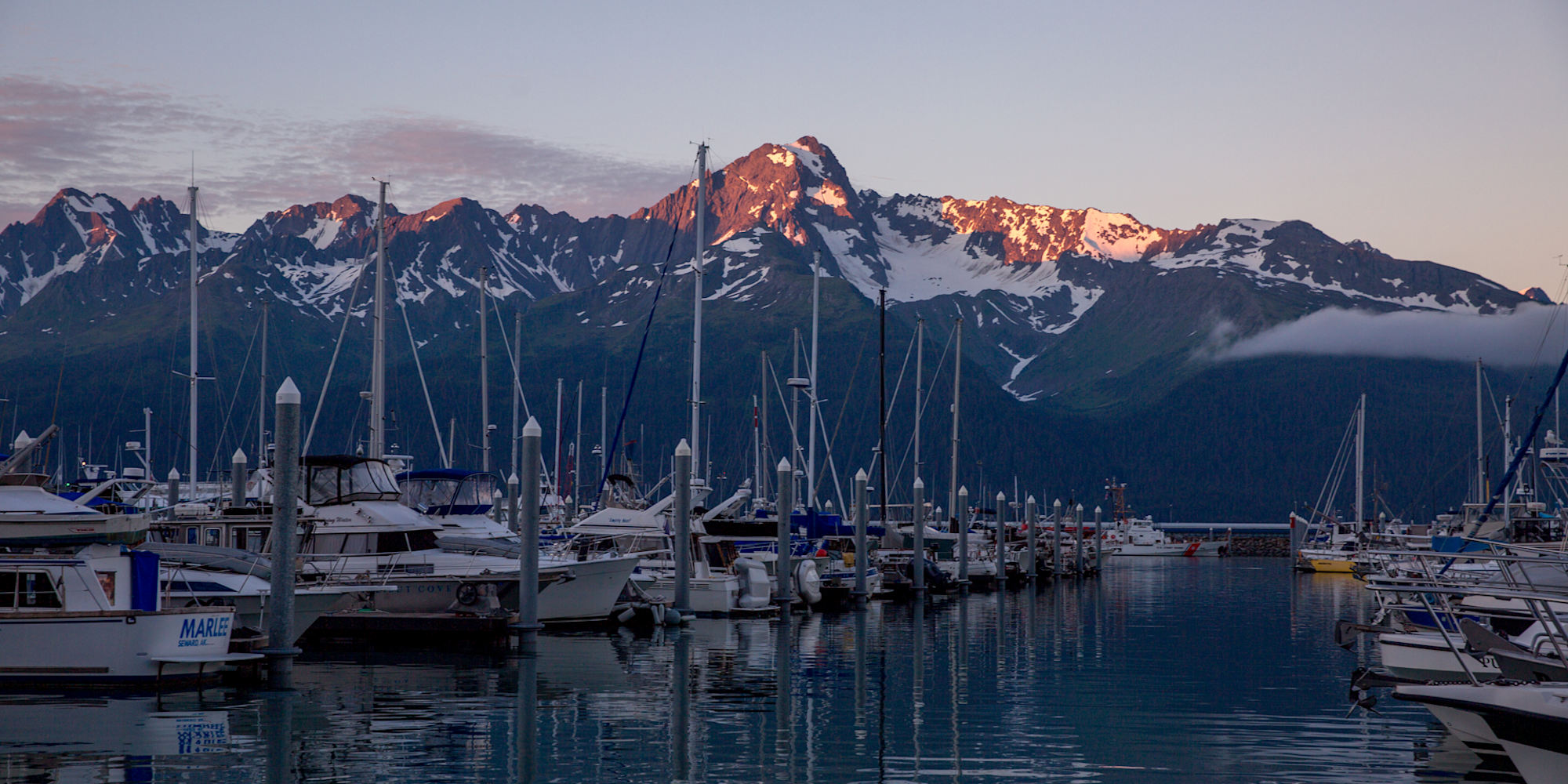
Seward is the gateway that makes Kenai Fjords practical. Set on Resurrection Bay, it gives travelers access to the harbor, boat tours, kayaking outfitters, restaurants, lodging, local trails, and the road to Exit Glacier. For most visitors, especially first-timers, Seward is the best place to stay when exploring the park.
Where should you stay for Kenai Fjords? Staying in or near Seward keeps the rhythm of the trip simple. You can wake up close to the water, head to the harbor for a cruise, return for dinner, and plan a glacier hike or kayaking experience without adding unnecessary drive time. That simplicity matters in Alaska, where distances can feel longer than expected and weather can change the day’s plan.
Seward also gives the trip a comfortable sense of place. It is a working harbor town, not just a jumping-off point. You can walk near the waterfront, watch boats move in and out of the harbor, visit local restaurants, and let the mountains and bay frame the slower moments between adventures. For families and multi-generational groups, those easier in-between moments can be just as important as the headline activities.
The town also helps with flexibility. If a boat day is affected by weather, you may be able to shift toward a hike, a local museum or visitor experience, a scenic drive, or a quieter day along the waterfront. If a hike feels too ambitious, you can adjust without losing the entire day. That kind of built-in flexibility is one of the reasons Seward works so well as a base.
For Austin Adventures travelers, Seward supports the kind of experience guests often value most: active days, comfortable landings, thoughtful logistics, and enough breathing room to enjoy where they are. It helps Kenai Fjords feel adventurous without feeling complicated.
How to Choose the Best Season, Activity Level, and Travel Style
The best time to visit Kenai Fjords National Park is generally late spring through early fall, with June, July, and August offering the most reliable mix of boat tours, hiking access, long daylight, and visitor services. July is often the most popular month because the full range of activities is usually available. June can feel fresh and exciting, with long days and early-season energy. August brings a slightly later-summer feel, often with cooler evenings and strong wildlife possibilities.
September can be beautiful, but travelers should expect more variability. Some services begin winding down, weather can feel less settled, and flexibility becomes more important. Winter and early spring are quieter and more limited, especially for travelers hoping to cruise, hike higher trails, or experience the park in the classic summer way.
Activity level depends on what you choose. A wildlife cruise is generally accessible for most travelers, though boat motion and cold wind are worth planning for. Exit Glacier can be adapted to a range of abilities. The Harding Icefield Trail is strenuous and best for fit hikers who are prepared for a demanding climb. Kayaking can range from beginner-friendly guided paddles to more advanced sea kayaking, depending on route, weather, and experience.
What should you pack? Think waterproof, warm, and flexible. Bring a rain jacket, warm fleece or insulated layer, quick-drying clothing, sturdy walking shoes or hiking boots, hat, gloves, sun protection, sunglasses, a refillable water bottle, and a small daypack. For boat days, add seasickness medication if needed and binoculars if you have them. For hiking, bring snacks, extra layers, and footwear you trust.
Guided versus independent travel comes down to how much you want to manage. Independent travel gives you freedom, but it also asks you to book activities, watch weather, assess trail conditions, choose safe routes, plan transportation, and build backup options. Guided travel is a strong fit if you want local knowledge, smoother logistics, small-group connection, and the reassurance that someone is helping adapt the plan when Alaska does what Alaska does.
This is especially helpful for families, active retirees, couples, and multi-generational groups who want the adventure to feel exciting, not overwhelming. Austin Adventures guests often value ease of planning, safety, knowledgeable guides, and a dependable travel partner in national parks and wilderness destinations. Kenai Fjords is wild enough to stir your sense of wonder, and with the right support, it can also feel welcoming.
Let Kenai Fjords Unfold by Ice, Tide, and Wildlife
Kenai Fjords National Park is not a place to rush. Its best moments often arrive on their own schedule: a whale surfacing in Resurrection Bay, a puffin lifting from the water, the blue face of Exit Glacier, the wide white sweep of the Harding Icefield, or the quiet that settles over a group when everyone stops talking and simply watches.
For most travelers, the best way to experience Kenai Fjords is to combine a wildlife and glacier cruise, time at Exit Glacier, a hike that matches your ability, and, if conditions allow, a guided kayaking experience. Use Seward as your base, pack for changing weather, and choose a season that supports the kind of adventure you want.
With Austin Adventures, the heart of the experience is not just what you do, but how present you feel while doing it. The details are handled with care, the pace feels human, and the wildness stays wonderfully intact. Kenai Fjords gives you ice, ocean, wildlife, and a deep sense of connection. The right plan helps you be there for all of it.
Explore Kenai Fjords National Park with us!
