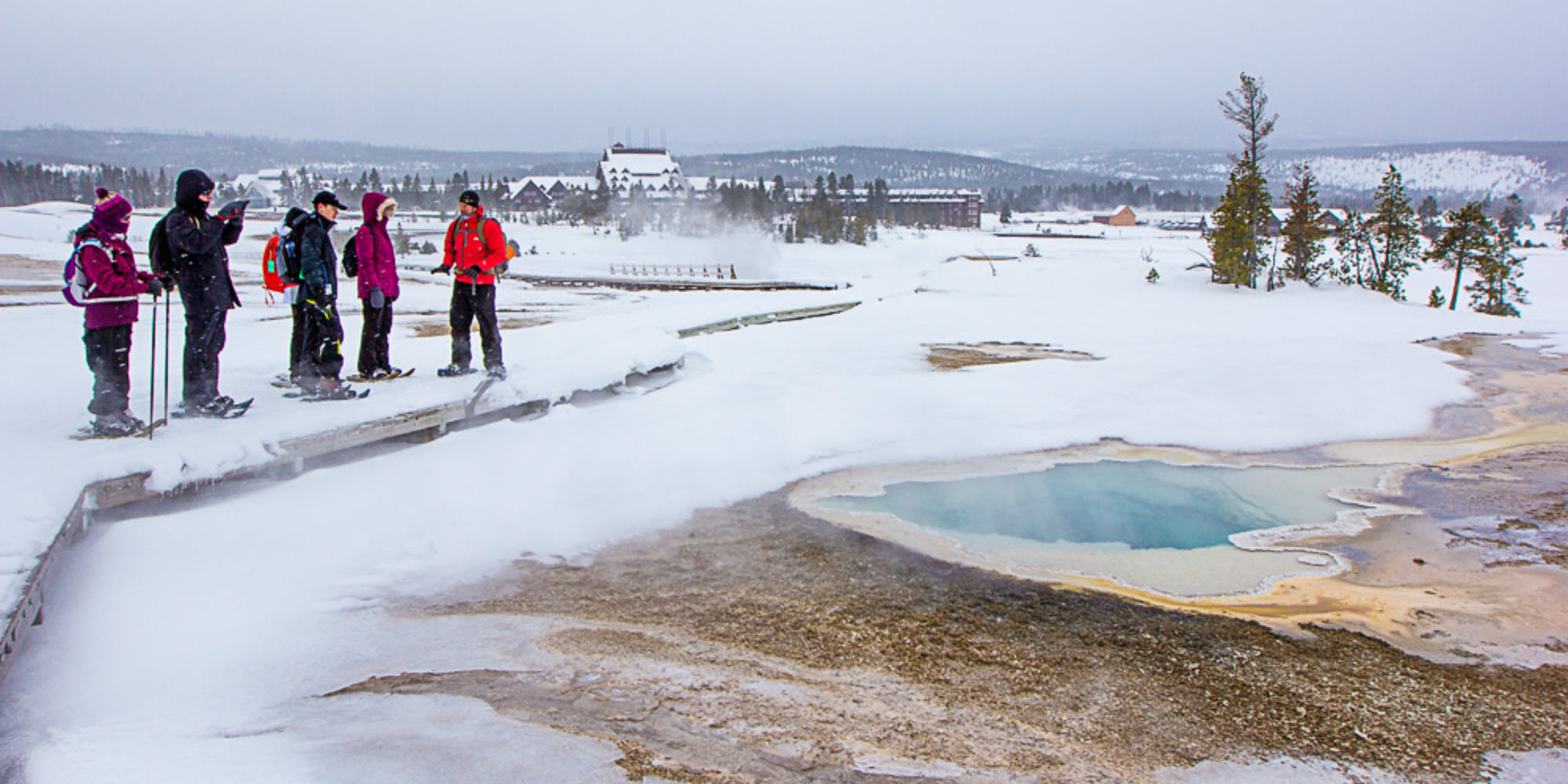
In winter, the Yellowstone National Park your family may know from summer photos feels like a completely different world.
For kids, Yellowstone in winter is part wildlife safari, part science lesson, part snowy adventure. For parents and grandparents, it is a chance to experience the national park at a gentler pace, with fewer crowds and more room to notice the small moments: animal tracks in fresh snow, hot chocolate after a snowshoe walk, or the look on a child’s face when Old Faithful erupts against a white winter backdrop.
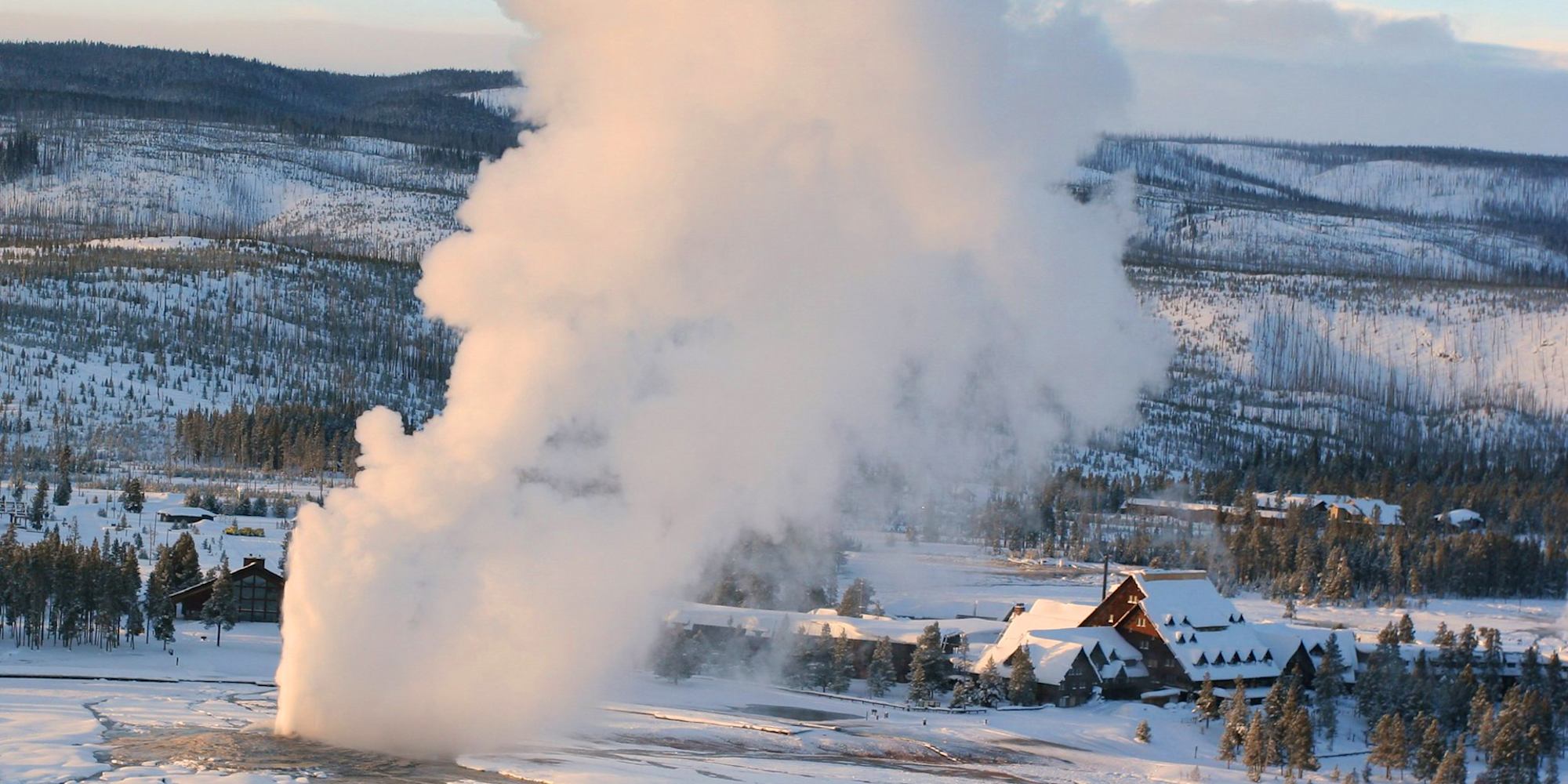
At Austin Adventures we believe the best things to do with kids in Yellowstone in winter include watching Old Faithful erupt in the snow, exploring the Upper Geyser Basin, looking for wildlife in Lamar Valley, riding a snowcoach through the park’s snowy interior, trying snowshoeing or cross-country skiing, and warming up at cozy lodges or nearby hot springs. Winter travel does take extra planning. Most park roads close to regular vehicles, and many interior areas are reached by approved oversnow transportation. But with the right layers, the right route, and the right support, Yellowstone becomes one of the most unforgettable family winter vacations in the American West.
The Best Winter Activities for Kids in Yellowstone
If you are planning a Yellowstone winter family vacation, start with the activities that deliver the biggest mix of wonder, comfort, and kid-friendly pacing.
Here's a helpful list of the best winter activities for kids in Yellowstone:
- Watching Old Faithful erupt in the snow
- Walking the boardwalks of the Upper Geyser Basin
- Exploring Mammoth Hot Springs
- Wildlife watching in Lamar Valley
- Riding a private or guided snowcoach into the park’s interior
- Snowshoeing near Tower Fall, Mammoth, or Old Faithful
- Trying cross-country skiing on beginner-friendly routes
- Seeing frozen waterfalls and snowy canyon views
- Warming up in cozy lodges
- Soaking at Chico Hot Springs in Paradise Valley
The winter season usually runs from mid-December to mid-March for many oversnow experiences, though exact opening dates and access depend on conditions and park operations. Yellowstone winter travel includes oversnow access by snowcoach and snowmobile on many interior roads, while the North Entrance to Northeast Entrance route is the main road open to regular vehicles year-round.
That road-access detail matters for families. In summer, you can often drive yourself from one famous stop to the next. In winter, the park asks you to slow down and plan more carefully. That can feel like a challenge at first, but it is also the reason winter Yellowstone feels so peaceful.
Our Austin Adventures’ Yellowstone Winter Family Vacation, the itinerary is built around a kid-friendly Level 1 activity rating, a six-day Bozeman-to-Bozeman route. It has been crafted to showcase the winter highlights such as Mammoth Hot Springs, Lamar Valley, a private snowcoach to Old Faithful, snowshoeing, the Upper Geyser Basin, and Chico Hot Springs.
Watch Geysers and Hot Springs Steam in the Snow
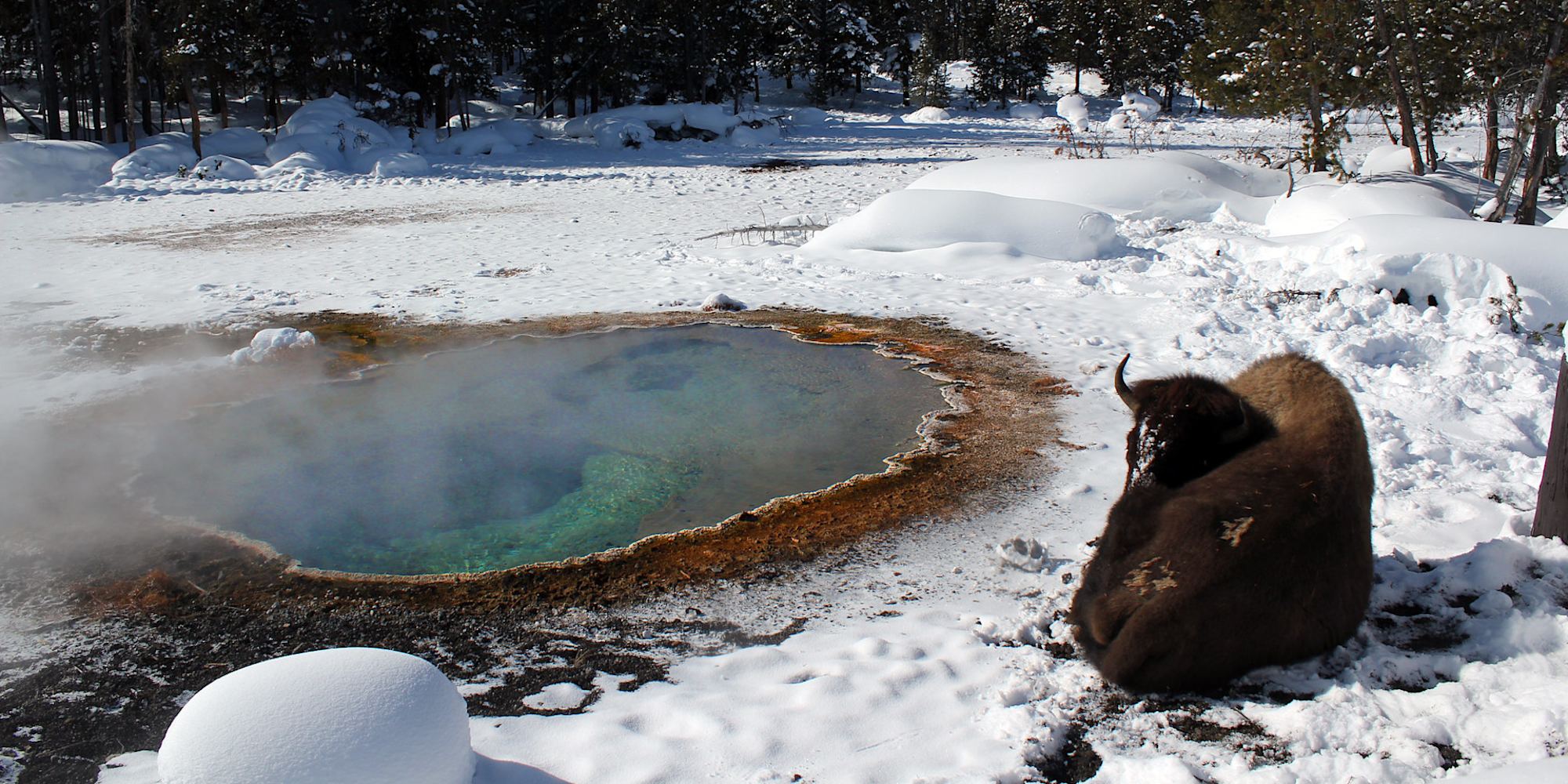
Yellowstone’s geothermal features are amazing in any season, but winter adds a little theater. Cold air makes the steam look bigger. Snow frames the boardwalks. The colors of hot springs seem brighter against the white landscape. It is the kind of scene that makes kids stop asking, “Are we there yet?” and start asking, “How does that happen?”
Old Faithful is the classic family moment. Even kids who have seen photos or videos tend to feel the excitement build as everyone waits together in the cold. Then the geyser erupts, steam billows upward, and the whole snowy basin feels alive.
The Upper Geyser Basin is another must for families because it combines easy walking with big visual rewards. Boardwalks lead past steaming vents, colorful pools, and smaller geysers, giving kids a close look at Yellowstone’s volcanic personality. This is also a good place to set clear safety expectations. Stay on boardwalks, hold hands with younger children, and remind everyone that thermal areas are beautiful, fragile, and dangerous off-trail.
Mammoth Hot Springs offers a different kind of geothermal experience. Instead of geyser eruptions, families see terraces shaped by hot water and minerals, with steam drifting through winter air. It is often one of the first big “wow” stops on a northern Yellowstone winter route.
A guide will make these places easier for families to appreciate. Instead of simply walking from one viewpoint to the next, kids can learn why geysers erupt, why thermal pools are different colors, why some areas smell like sulfur, and how wildlife uses warm ground in winter. It turns sightseeing into discovery.
Austin’s family winter itinerary includes all these geothermal wonders: Mammoth Hot Springs, the Upper Geyser Basin, and Old Faithful. Plus there's the wonderful bonus of staying two nights at Old Faithful Snow Lodge so families can settle into the snowy interior rather than rush the experience.
Traveler Question: Is Old Faithful worth seeing in winter with kids?
Yes. Old Faithful is one of the most rewarding winter stops for kids because the eruption feels especially dramatic in cold weather. The surrounding geyser basin also gives families a chance to walk, explore, take photos, and learn about Yellowstone’s geothermal features in a setting that is far quieter than summer.
Look for Bison, Wolves, Elk, and Winter Wildlife
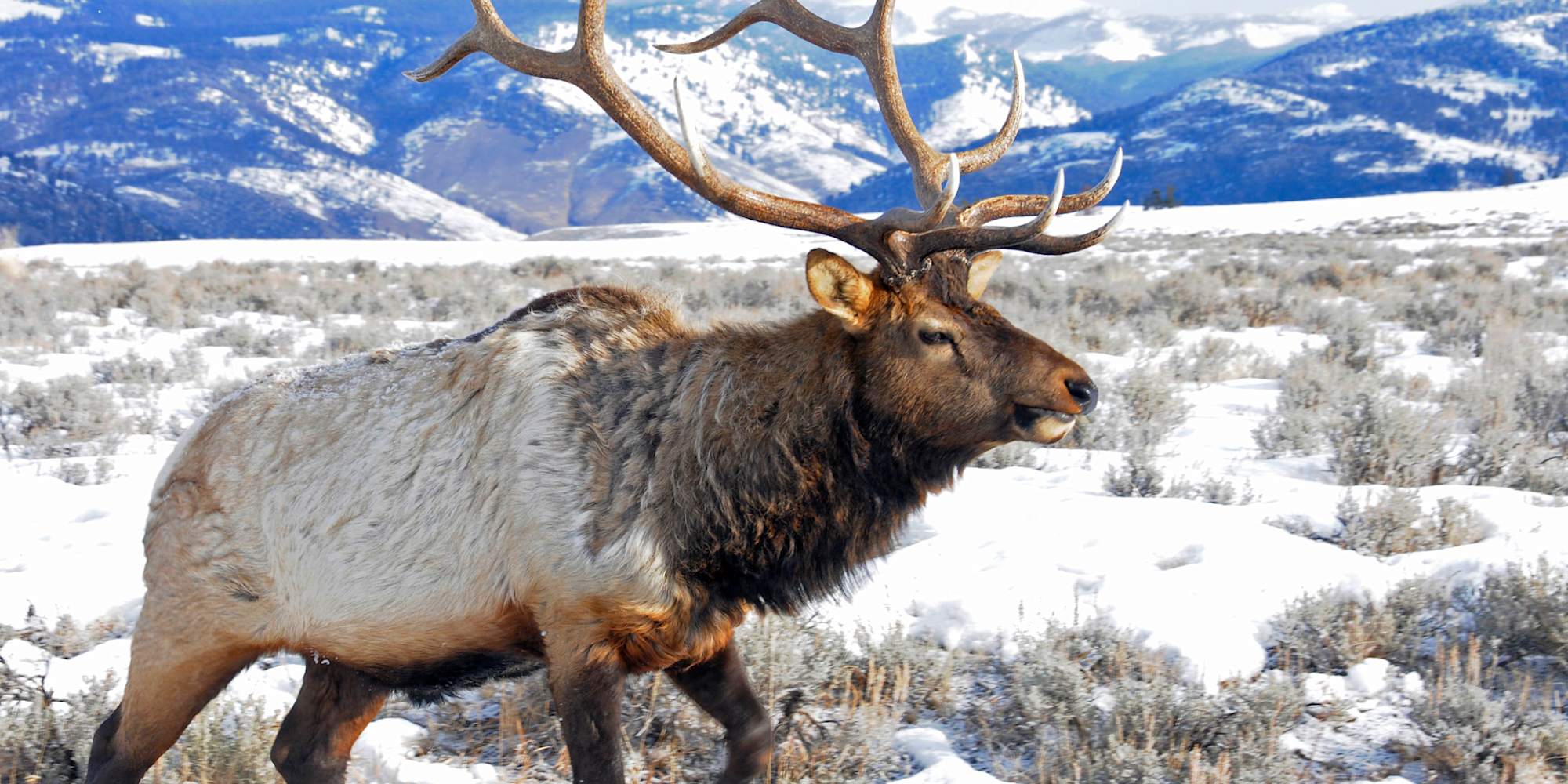
Wildlife watching is one of the best reasons to bring kids to Yellowstone in winter. Animals are often easier to spot against the snow, and the quiet season makes each sighting feel more intimate.
Lamar Valley is the place many families dream about, and for good reason. In winter, this wide-open northern valley can offer sightings of bison, elk, bighorn sheep, coyotes, moose, and sometimes wolves. Sunrise is often the best time to go, which means an early start. That may sound ambitious with kids, but it can become one of the most memorable mornings of the trip: blankets in the vehicle, binoculars at the ready, everyone scanning the snow for movement.
Bison are a near-iconic winter sight. Their heavy coats gather frost, their breath rises in the cold, and their dark shapes stand out beautifully against the white ground. Kids are often fascinated by how these animals survive Yellowstone’s harshest season.
Wildlife watching also teaches patience. Not every moment is dramatic. Sometimes the magic is in waiting, listening, and learning how to notice details: tracks crossing the road, ravens circling, a coyote pausing with its ears tilted toward the snow.
Safety matters every time wildlife is involved. Animals should be viewed from a respectful distance, and families should never approach wildlife for photos. A guide or naturalist-style trip leader can help kids understand how to watch animals safely while still keeping the experience exciting.
On Austin Adventures' Yellowstone winter itineraries, Lamar Valley is a featured wildlife area. The family trip includes a sunrise wildlife drive in Lamar Valley and a snowshoe adventure near Tower Fall, creating a day that balances quiet observation with active outdoor fun.
Traveler Question: What animals can kids see in Yellowstone in winter?
Families may see bison, elk, bighorn sheep, coyotes, moose, and sometimes wolves. Sightings are never guaranteed, but winter can be a wonderful season for wildlife because animals often stand out clearly against the snow, especially in open areas like Lamar Valley.
Ride a Snowcoach, Snowshoe, or Cross-Country Ski
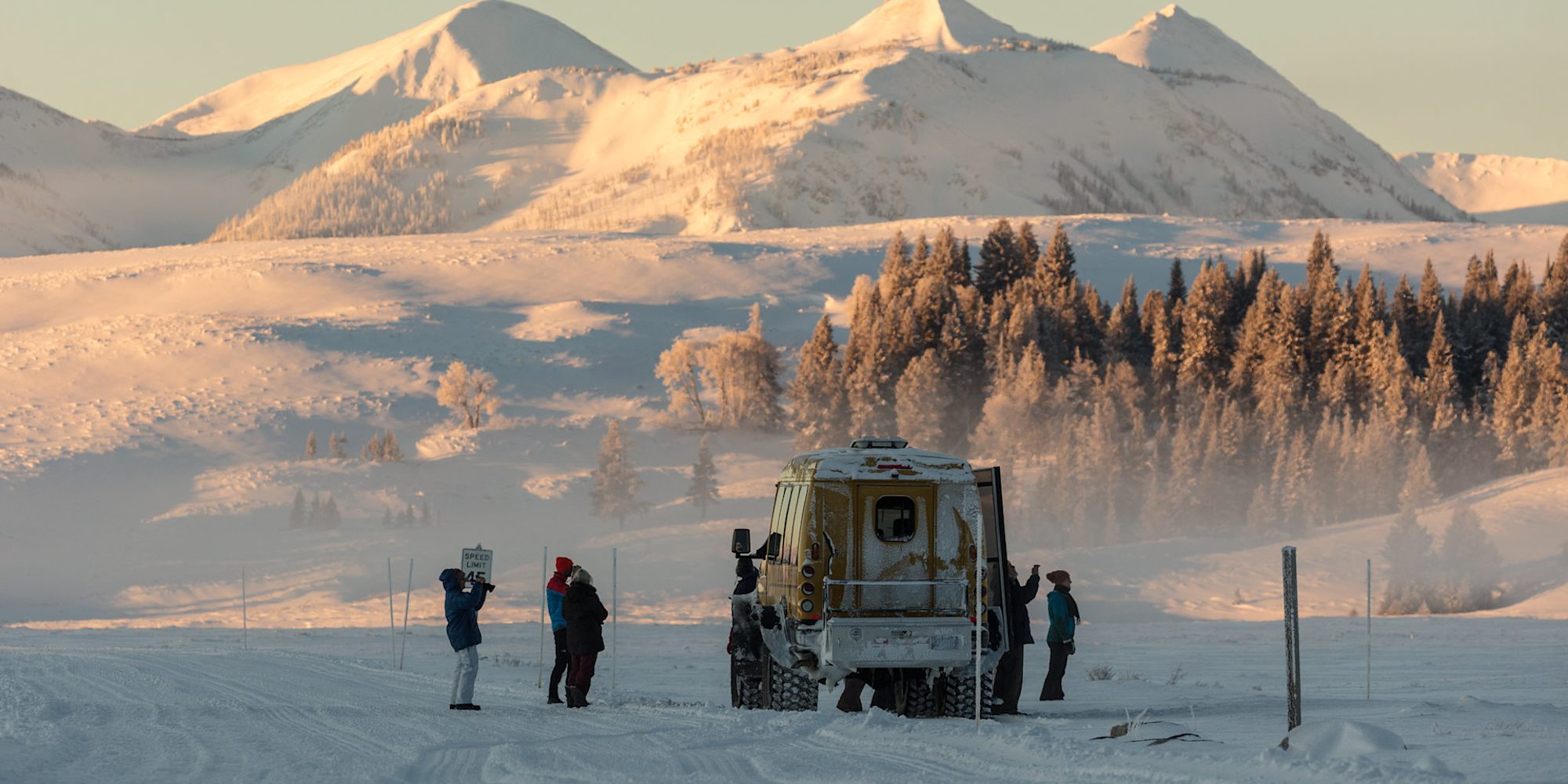
For many kids, the snowcoach is part of the adventure. It is not just transportation. It is the way Yellowstone opens up in winter.
A snowcoach is an oversnow vehicle designed for snowy park roads. Families can ride into areas that are not open to regular private vehicles in winter, including routes toward Old Faithful and the snowy interior of the park. The ride itself becomes a moving window onto frozen rivers, snow-covered forests, bison trails, open valleys, and distant thermal steam.
For parents, snowcoach travel can be a relief. Instead of watching road conditions, managing winter driving, and figuring out access rules, you can look out the window with your kids and enjoy the journey.
Snowshoeing is another excellent winter activity for families because it is simple, playful, and easy to adapt. You do not need to be an expert hiker. You need warm layers, waterproof boots, and a sense of humor. Kids often love the novelty of walking on top of snow, and short outings can be adjusted to the group’s energy.
Cross-country skiing can also work well for active families, especially with older kids and teens. It asks for a little more coordination than snowshoeing, but it can be a beautiful way to experience Yellowstone’s quiet winter landscapes. The key is choosing beginner-friendly terrain and keeping expectations relaxed.
Austin’s Yellowstone Winter Family Vacation gives guests the option to snowshoe or cross-country ski near Old Faithful, depending on conditions and comfort level. The trip also includes private snowcoach travel into the park’s interior, with views of places like the Grand Canyon of the Yellowstone area, Hayden Valley, and Yellowstone Lake along the way.
Traveler question: How hard are Yellowstone winter activities for kids?
Yellowstone winter activities can be very approachable when they are paced well. Short snowshoe walks, boardwalk strolls, wildlife drives, and snowcoach rides are suitable for many families. Cold weather, snow gear, and elevation can make everything feel a bit more tiring, so the best family itineraries balance activity with warm meals, lodge time, and flexible pacing.
Plan the Practical Details: Weather, Packing, Lodging, and Road Access
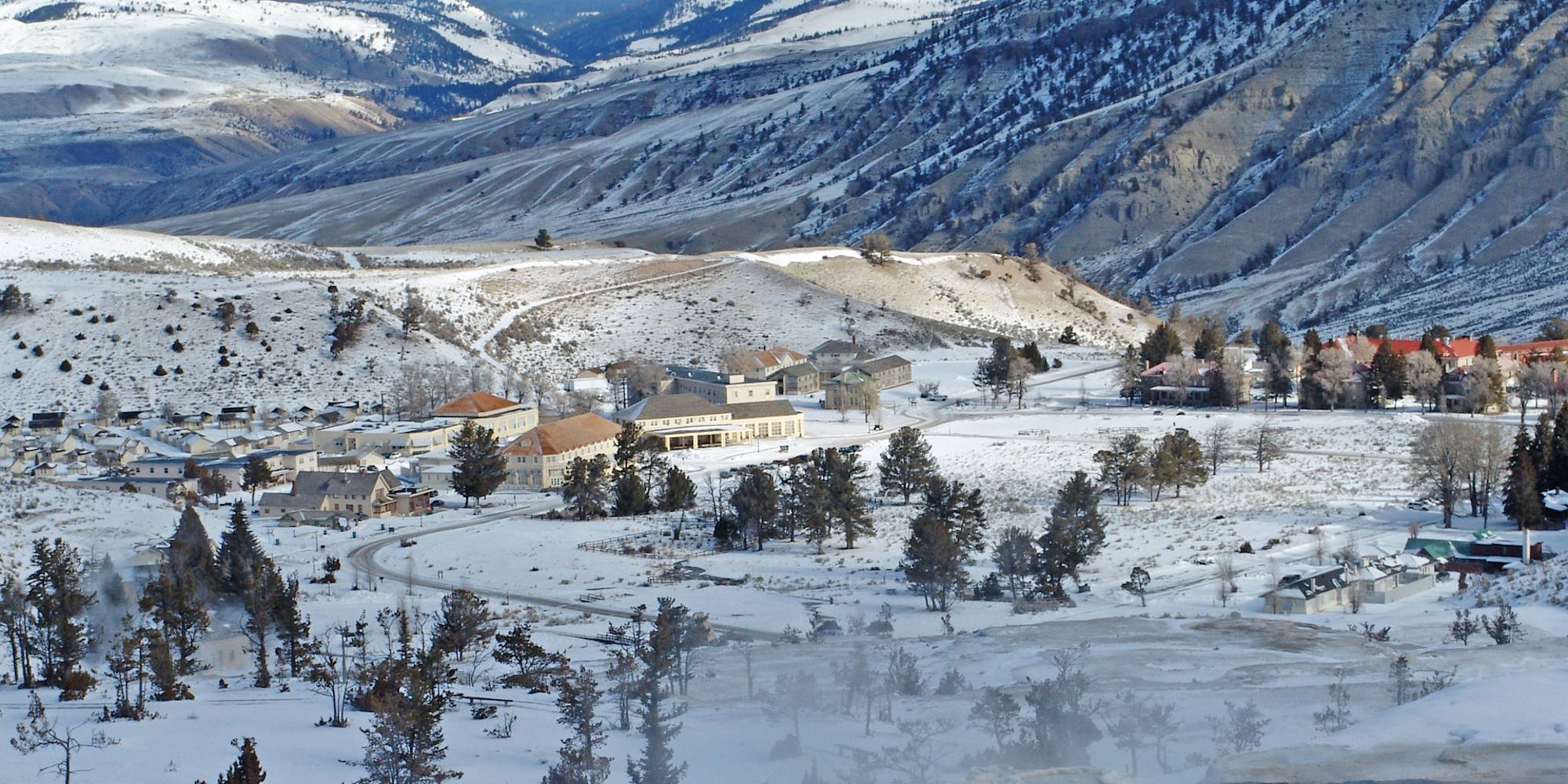
Yellowstone in winter is beautiful, but it is not a “wing it” destination. Families should plan around cold temperatures, limited services, road restrictions, specialized transportation, and the slower rhythm of winter travel.
What is the weather like in Yellowstone in winter?
Yellowstone winters are cold. The National Park Service says winter temperatures often range from 0°F to 20°F during the day, with sub-zero temperatures common at night and at higher elevations. That does not mean families should avoid winter; it simply means packing well matters.
For kids, bring more warm accessories than you think you need. Gloves get wet. Socks disappear. Neck gaiters become essential. A comfortable child is much more likely to enjoy a snowy boardwalk walk or wildlife stop.
What should families pack?
- A good Yellowstone winter packing list should include:
- Moisture-wicking base layers
- Warm fleece or insulated mid-layers
- Waterproof or water-resistant winter jacket
- Snow pants or warm waterproof outer layer
- Insulated winter boots with good traction
- Wool or synthetic socks
- Warm hat
- Gloves or mittens, plus an extra pair for kids
- Neck gaiter or scarf
- Sunglasses or goggles
- Sunscreen and lip balm
- Hand and toe warmers
- Daypack
- Reusable water bottle
- Personal medications
- Binoculars, if you have them
- Camera or phone with extra battery power
Cold drains batteries quickly, so keep phones and camera batteries close to your body when you are outside.
Where should families stay?
Winter lodging in and around Yellowstone is limited compared with summer, so planning ahead is important. Mammoth Hot Springs Hotel is a useful base for the northern part of the park, including Mammoth and Lamar Valley. Old Faithful Snow Lodge places families near Old Faithful and the Upper Geyser Basin, but winter access generally requires oversnow transportation.
Austin’s family winter itinerary includes Mammoth Hot Springs Hotel, Old Faithful Snow Lodge, and Chico Hot Springs Resort in Paradise Valley. The final hot springs stay gives families a warm, celebratory finish after several days of snowy exploration.
Can families drive themselves through Yellowstone in winter?
Only in limited areas. In winter, the North Entrance to Northeast Entrance road is the main route open to regular vehicles, while many interior roads are managed for oversnow travel such as snowcoach and snowmobile. That is one of the biggest differences between a summer and winter Yellowstone trip.
Families planning independently need to understand which roads are open, how to book oversnow transportation, where services are available, and how weather may affect timing. A guided trip can remove much of that guesswork.
Guided vs. Independent: Which Yellowstone Winter trip is right for your family?
Independent winter travel in Yellowstone is possible, but it asks a lot of a family. You’re not just choosing where to go each day. You’re tracking winter road access, managing snow and ice conditions, timing meals around limited seasonal services, booking the right activities, packing the right gear, navigating transportation, and building backup plans when weather changes the day.
For some travelers, that kind of hands-on planning is part of the fun. For many families, especially first-time Yellowstone visitors, multigenerational groups, or parents traveling with kids, it can become the thing that gets in the way of the experience itself.
That’s where a guided winter trip changes everything.
With Austin Adventures, Yellowstone in winter feels less like a puzzle to solve and more like a place you can fully step into. The key details are already thoughtfully handled: five nights’ accommodation, meals, guide support, itinerary activities, snacks, equipment for planned adventures, transportation, pre-trip customer care, and a small-group format. With an average 6:1 guest-to-guide ratio, the experience also feels personal, flexible, and reassuring, not like being shuffled through the park in a crowd.
The real difference is not just convenience. It is presence.
Instead of checking road reports, you can watch your child’s face as Old Faithful rises into the cold winter air. Instead of wondering whether you packed the right gear, you can follow fresh tracks across the snow. Instead of coordinating every meal, transfer, and activity reservation, you can scan Lamar Valley for wildlife, laugh through a first snowshoe attempt, and end the day soaking at Chico Hot Springs with that rosy-cheeked, happily tired feeling that only a full winter day outside can bring.
Yellowstone in winter rewards travelers who know how to move with the season. Roads are limited. Weather can shift. Wildlife viewing takes patience. The best moments often come from being in the right place at the right time, with someone who knows how to read the day.
A guided Austin Adventures trip gives your family that advantage. You still get the wonder, quiet, wildlife, snow, and wide-open beauty that make Yellowstone winter so unforgettable. You simply get to experience it with more ease, more confidence, and more time to enjoy each other.
In the end, Yellowstone in winter is not about doing the most. It is about doing the right things at the right pace, with warmth, wonder, flexibility, and expert support built in.
Let Yellowstone’s winter wonder lead the way
Yellowstone in winter asks families to trade flip-flops for snow boots, busy parking lots for quiet valleys, and packed summer boardwalks for steaming geyser basins dusted in snow. In return, it gives you a version of the park that feels intimate, wild, and full of surprise.
Bring curious kids. Bring grandparents who love a good view. Bring teens who need a reason to look up from their phones. Winter Yellowstone has a way of winning everyone over, whether it is through a bison sighting in Lamar Valley, a snowcoach ride into the park’s white interior, a first snowshoe walk, or a warm soak at the end of the week.
With our thoughtful planning and caring guides, this snowy national park adventure becomes more than a list of things to do. It becomes a family story you will keep telling long after the mittens are dry.
Join us for a Yellowstone Winter Adventure!