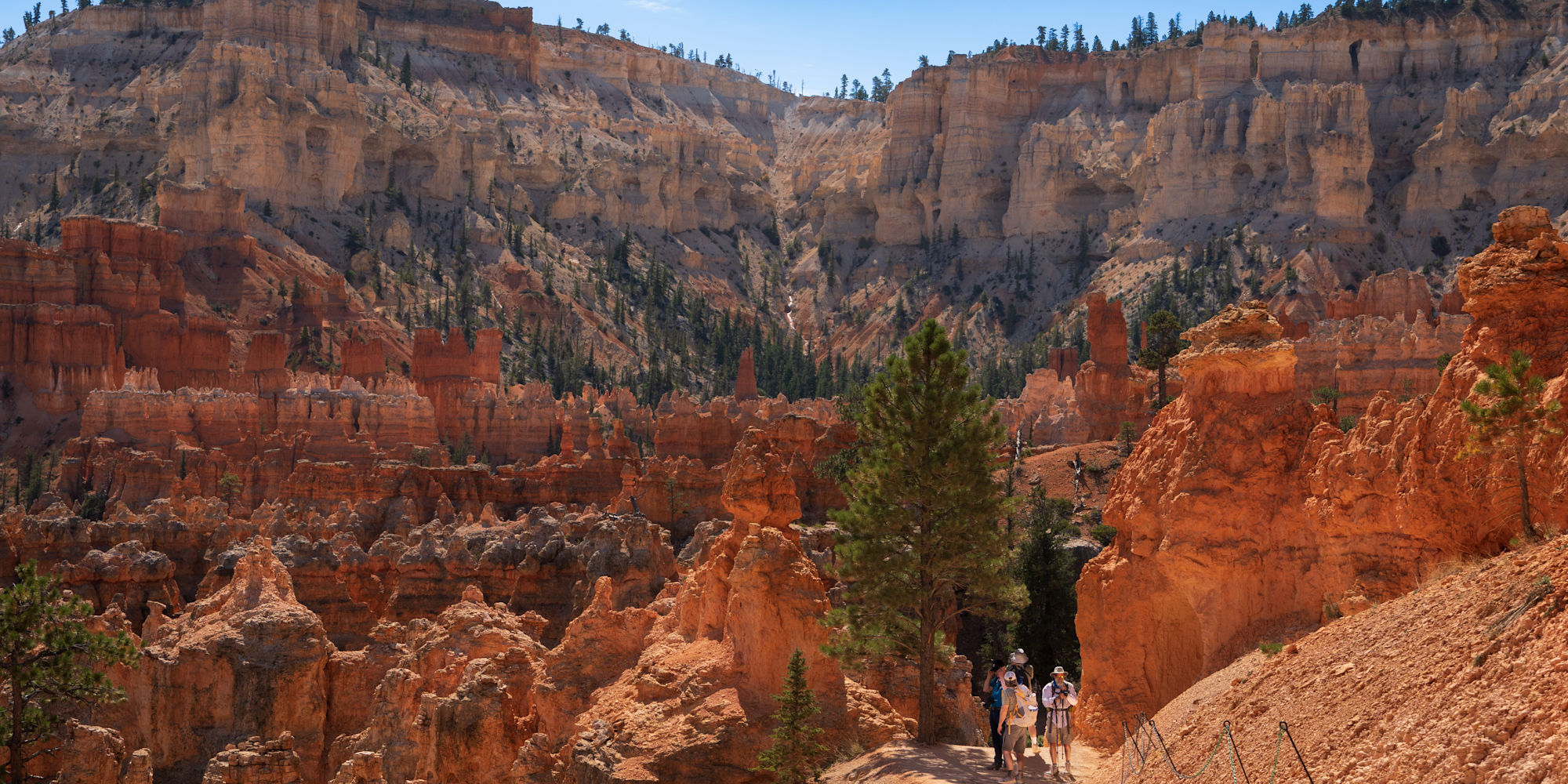
Bryce Canyon doesn’t reveal itself all at once. One minute, you’re walking through high desert forest. The next, the rim opens beneath you and thousands of hoodoos fill the amphitheater below in shades of orange, rose, cream, and gold. Some stand like weathered towers. Others gather in rows, catching the light in ways that seem to change by the minute.
So, what are the top things to do in Bryce Canyon National Park? Start with the famous viewpoints around Bryce Amphitheater, hike below the rim on Queen’s Garden and Navajo Loop, walk a section of the Rim Trail, drive the Southern Scenic Drive to Rainbow and Yovimpa Points, and stay for sunrise, sunset, or stargazing. If you’re visiting with family, pairing Bryce with Zion, or simply want the details handled, a guided adventure can help you experience the park with more ease and less guesswork.
Bryce is compact enough to enjoy in a day, but layered enough to reward a slower visit. The best plan is simple: see it from above, walk into it, watch the light change, and give yourself time to take in just how strange and beautiful this corner of Utah really is.
Start with Bryce Amphitheater and the Classic Viewpoints
For a first visit, begin with Bryce Amphitheater. This is the park’s signature landscape and the place most travelers picture when they think of Bryce Canyon. It’s also the easiest area to explore if you have limited time.
The National Park Service recommends Bryce Point, Inspiration Point, Sunset Point, and the paved walk between Sunset Point and Sunrise Point for a typical one-to-three-hour summer visit. That makes this area a smart starting point whether you’re doing a quick scenic stop or building a full day around the park.
Sunrise Point is a beautiful place to begin the morning. The light comes in gently, the amphitheater glows, and the Queen’s Garden Trail begins nearby.
Sunset Point is one of Bryce’s most popular overlooks and the starting point for the Navajo Loop Trail. It’s also where you’ll see Thor’s Hammer, one of the park’s most recognizable hoodoos.
Inspiration Point gives you a wider, layered view of the amphitheater. It’s one of the best places to understand the scale of the hoodoo formations.
Bryce Point offers a grand, open panorama that feels especially rewarding early or late in the day.
If you only have a few hours, this is where to spend them. If you have more time, don’t rush away. Bryce changes constantly with the light, and a viewpoint that looks soft and quiet in the morning can feel fiery by late afternoon.
Austin Adventures guide-style tip: Step just a little away from the busiest viewing rail when it’s safe to do so. Bryce rewards the pause. Look for the trail lines below, the tiny people moving between the formations, and the way the colors shift from one layer to the next.
Hike Below the Rim on Queen’s Garden and Navajo Loop
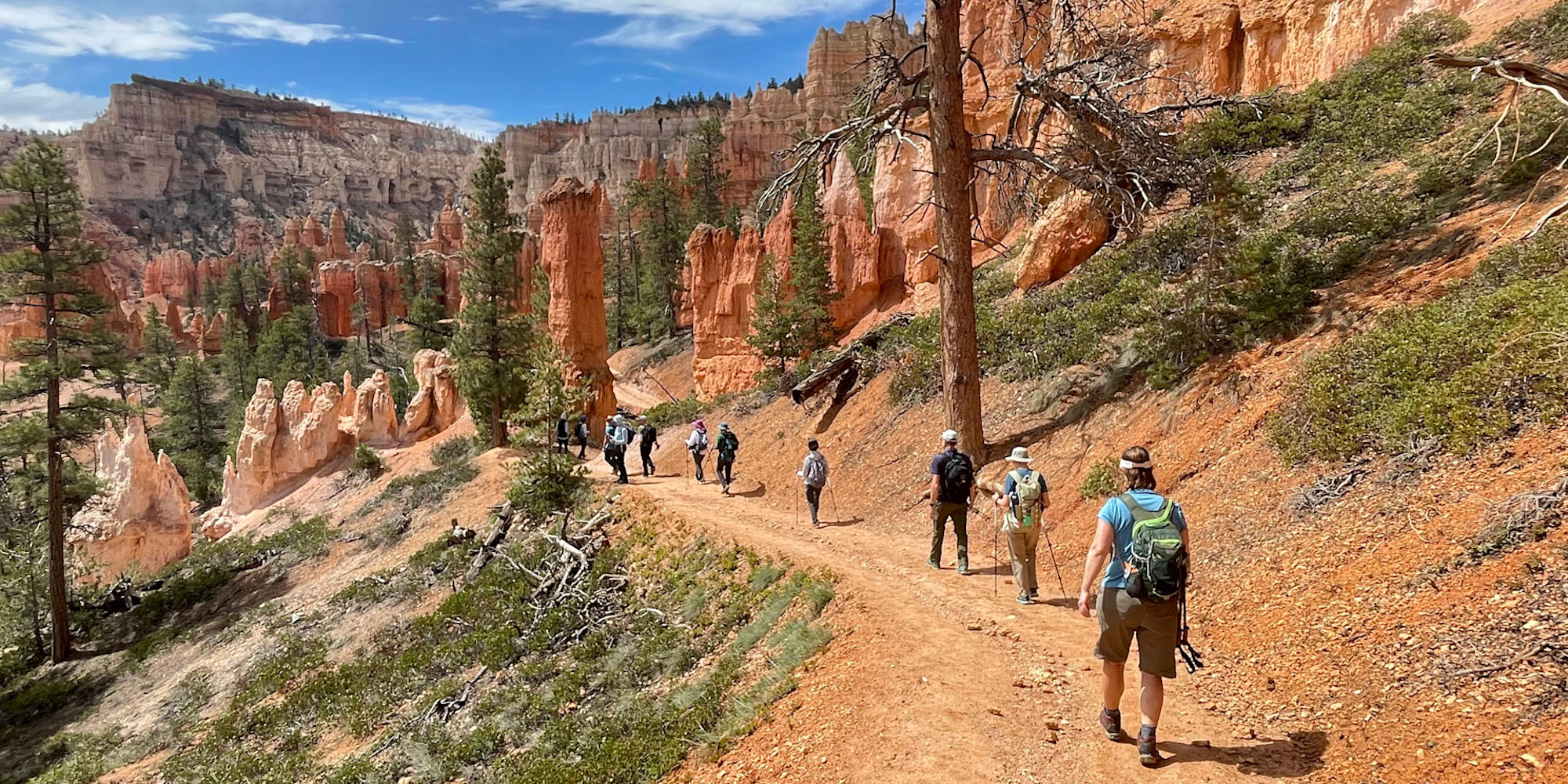
Seeing Bryce from the rim is unforgettable. Hiking below the rim is where the park becomes personal.
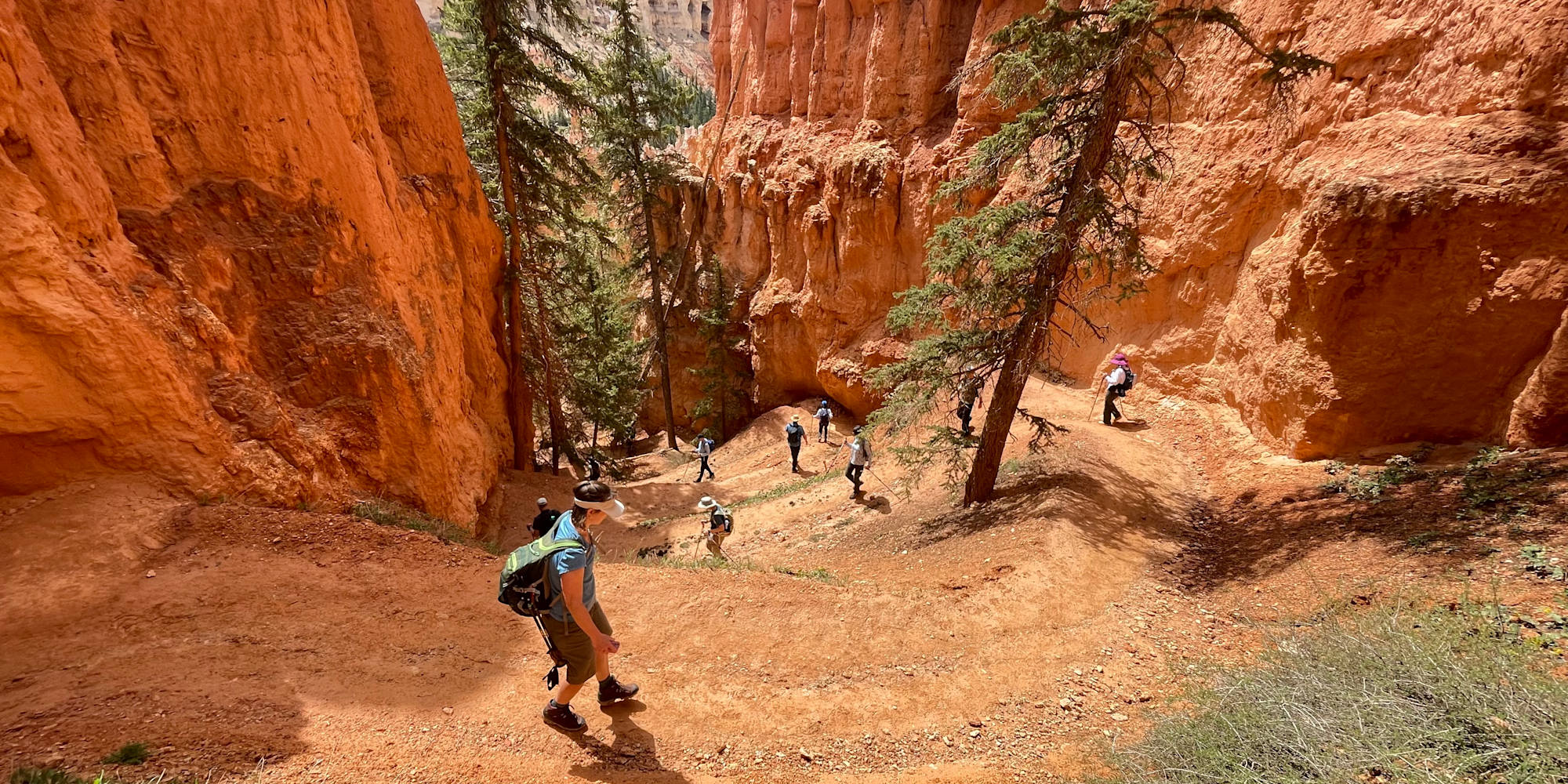
The Queen’s Garden Trail begins at Sunrise Point and descends into the amphitheater among hoodoos, fins, windows, and soft limestone walls. It’s often described as one of the gentler routes into the canyon, though remember that every trail that goes down must eventually climb back up.
The Navajo Loop begins at Sunset Point and takes you into one of Bryce’s most dramatic below-the-rim landscapes. In warmer months, the Wall Street section is a favorite, with tight switchbacks dropping between tall canyon walls. The Two Bridges side offers another memorable route, with views of Thor’s Hammer and steep, colorful formations.
Many first-time visitors combine Queen’s Garden and Navajo Loop into one classic Bryce hike. The National Park Service includes these trails in its short-visit recommendations for travelers who have time to hike below the rim.
How hard is hiking in Bryce Canyon?
Bryce Canyon hikes can feel harder than the mileage suggests because the park sits at high elevation and the return climb often comes at the end. The footing can be dusty, uneven, or slippery depending on weather. You don’t need to be an extreme hiker, but you should be comfortable walking on dirt trails, descending switchbacks, and climbing steadily back to the rim.
On Austin Adventures’ Bryce Canyon & Zion Adventure, guests hike among Bryce’s hoodoos on trails that may include Queen’s Garden, Peekaboo, Fairyland, and other scenic routes, with guide support and thoughtful pacing built into the day. That support matters in a place where timing, weather, elevation, crowds, and trail choice can shape the whole experience.
What should you pack for a Bryce hike?
Bring sturdy hiking shoes, a refillable water bottle, sun protection, light layers, snacks, and a small daypack. Bryce can feel cooler than other southern Utah parks because of its elevation, but the sun is still strong. In spring, fall, and winter, add a warm layer and traction if icy conditions are possible.
Walk the Rim Trail, Fairyland Trail, or Mossy Cave at an Easier Pace
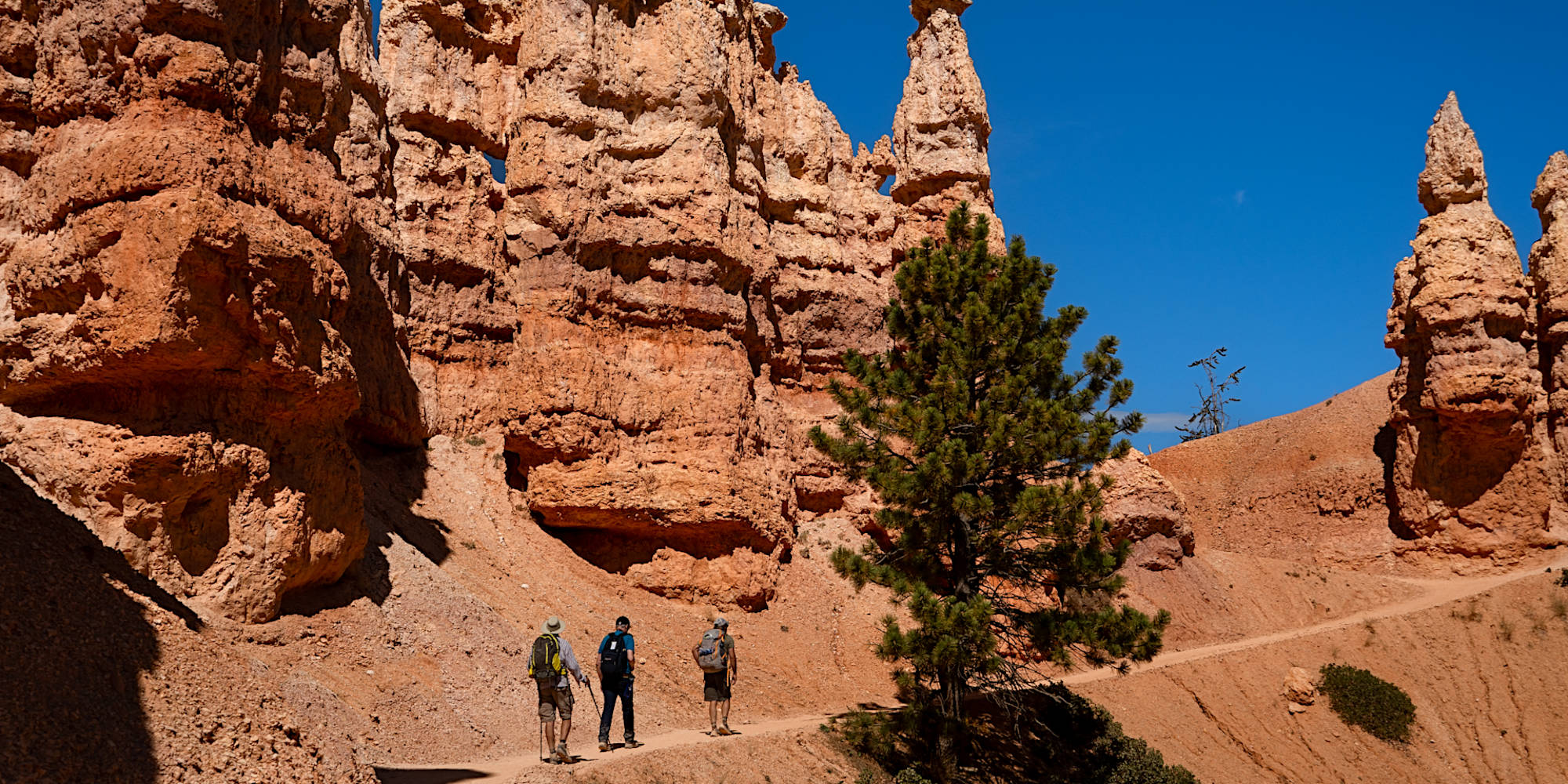
Not every Bryce Canyon experience needs to be a big descent into the amphitheater. Some of the park’s most rewarding moments happen on easier walks, shorter trails, and quieter corners.
The paved section of the Rim Trail between Sunrise Point and Sunset Point is a favorite for families, mixed-ability groups, and anyone who wants remarkable views without committing to a steep climb. It’s short, scenic, and easy to pair with the main viewpoints.
For a longer outing, the Rim Trail can connect several viewpoints along the amphitheater. Travelers who want more distance can continue toward Inspiration Point or Bryce Point, adjusting the walk based on time, energy, and shuttle logistics.
Fairyland Trail offers a quieter, more spacious feel than the busiest amphitheater trails. It’s a stronger hiking commitment, but it rewards active travelers with whimsical formations and a little more breathing room.
Mossy Cave Trail is a short, family-friendly option outside the main amphitheater area. It’s especially appealing for travelers who want an easier walk, a different perspective on the park, or a brief stop while exploring the broader Bryce Canyon area.
For families, Bryce can be wonderfully flexible. One person may want a longer hike, while another prefers viewpoints and shorter walks. A guided trip makes that balance easier, especially for multigenerational groups who want active days without turning the vacation into a logistics puzzle.
Austin Adventures’ Bryce Canyon & Zion Family Vacation is designed with that kind of traveler in mind: active, curious, family-focused, and looking for a trip where the route, timing, meals, lodging, and guide support are already thoughtfully arranged.
Is Bryce Canyon good for kids and families?
Yes. Bryce works well for families because many of its most impressive views are close to the road or reachable by shorter walks. Families with active kids can add below-the-rim hikes, while younger travelers or grandparents may prefer the Rim Trail, Mossy Cave, scenic overlooks, and stargazing.
Drive the Southern Scenic Drive to Rainbow and Yovimpa Points
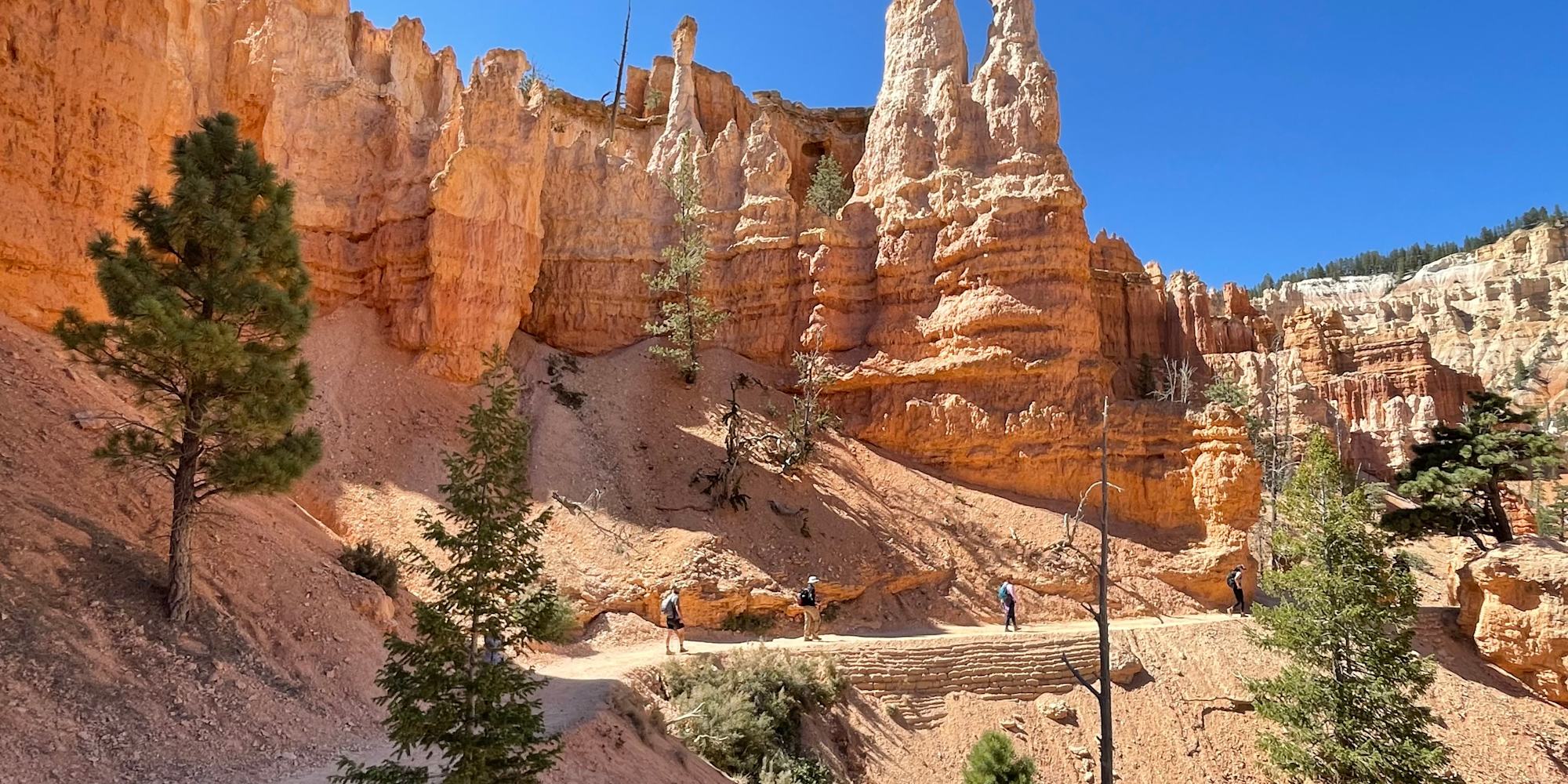
Once you’ve explored Bryce Amphitheater, continue south along the park road. The Southern Scenic Drive leads to quieter overlooks, high-elevation forest, and wide views that show another side of Bryce Canyon.
The route ends at Rainbow Point and Yovimpa Point, two of the highest viewpoints in the park. Along the way, pullouts such as Natural Bridge, Agua Canyon, and Ponderosa Canyon add variety and make the drive feel like a slow unfolding of the plateau.
This is one of the best things to do in Bryce Canyon if you want big scenery without another major hike. It’s also a useful afternoon plan after a morning on Queen’s Garden and Navajo Loop.
Can you see Bryce Canyon in one day?
Yes, one day in Bryce Canyon can be very rewarding if you prioritize well. A strong one-day plan would include sunrise or an early start at the amphitheater viewpoints, a Queen’s Garden/Navajo Loop hike, a relaxed lunch or rest break, and an afternoon drive to the southern overlooks. If you’re short on time, focus on the main amphitheater first.
Where should you stay near Bryce Canyon?
Many travelers stay in Bryce Canyon City or nearby gateway communities close to the park entrance. On Austin Adventures’ Bryce Canyon & Zion itineraries, lodging is part of the planned experience, helping guests stay close to the region’s standout trails and viewpoints without having to piece together each night independently.
Bryce also fits naturally into a broader southern Utah trip. Austin Adventures’ Mighty Five Adventure connects Bryce Canyon with Arches, Canyonlands, Capitol Reef, and Zion, creating a fuller look at Utah’s red-rock country with the support of experienced guides and pre-planned logistics.
Stay for Sunrise, Sunset, and Stargazing
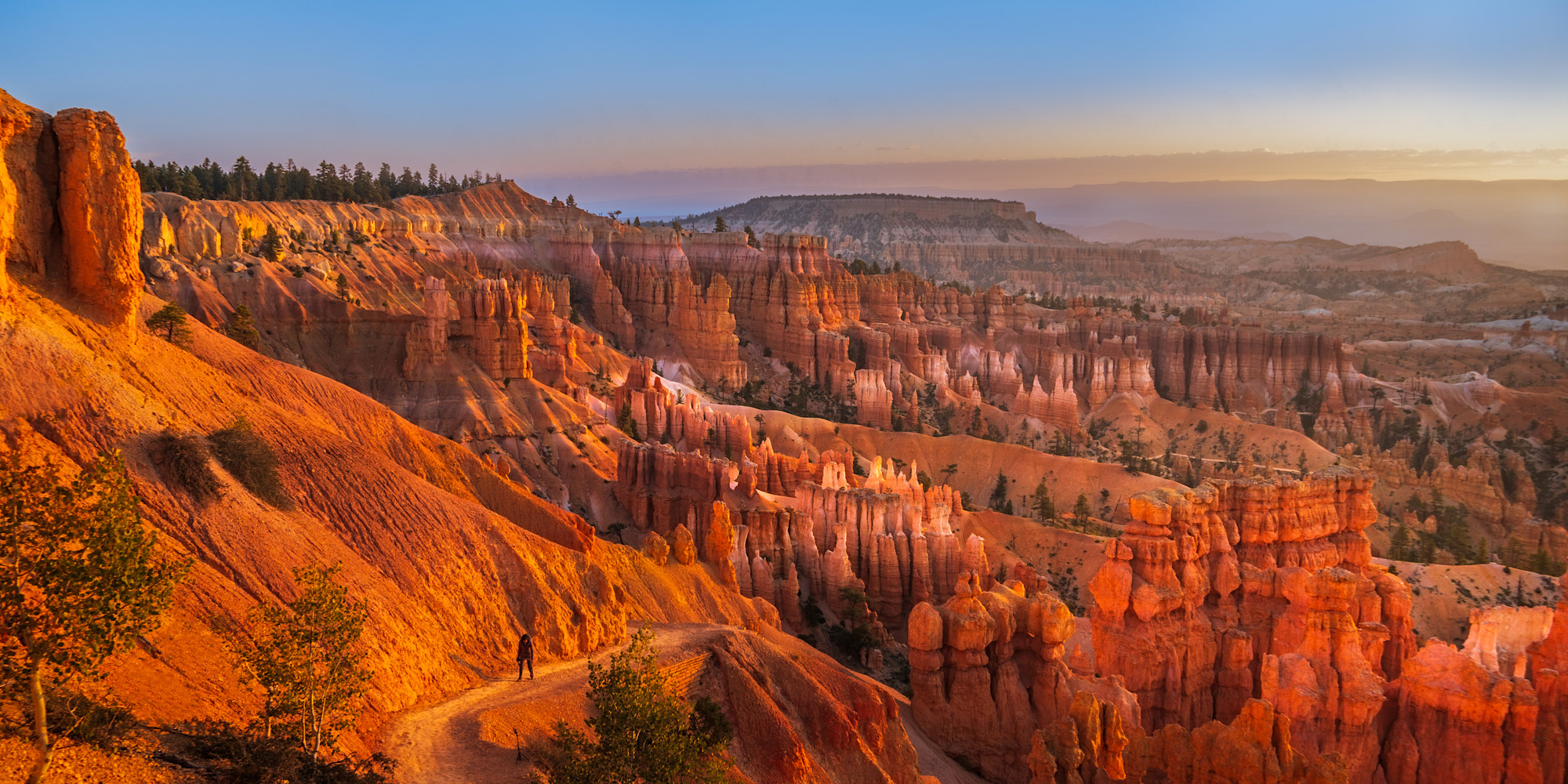
Bryce Canyon is a park of light. Sunrise can turn the hoodoos soft pink and gold. Sunset stretches shadows across the amphitheater and deepens the reds and oranges. After dark, the high-elevation sky becomes part of the show.
For sunrise, choose Sunrise Point, Sunset Point, Inspiration Point, or Bryce Point depending on where you’re staying and how early you want to start. Despite the names, both Sunrise Point and Sunset Point can be beautiful at different times of day. The important thing is to arrive early enough to settle in before the light changes.
For sunset, Bryce Point and Inspiration Point are especially rewarding for big views. Bring a layer; evenings can cool quickly.
Stargazing is another Bryce highlight. The park’s high elevation and dark skies make the night feel wide open. For families, couples, and small groups, this can be one of the quietest and most memorable parts of the trip: standing under a sky full of stars after a day spent among hoodoos.
What is the best time to visit Bryce Canyon?
Spring and fall are especially appealing for comfortable hiking and fewer peak-season crowds. Summer brings long days and easy access to park services, but it can also be busy. Winter can be beautiful when snow dusts the hoodoos, though trails may be icy and conditions require more preparation. For many active travelers, late spring and early fall offer the best mix of scenery, comfort, and flexibility.
Guided vs independent: which is better?
Independent travel gives you freedom, but it also asks you to manage lodging, meals, park timing, trail selection, transportation, weather, and backup plans. A guided trip is especially helpful if you want to spend less time coordinating and more time enjoying the trail. With Austin Adventures, the experience is shaped around small groups, guide knowledge, included logistics, and the confidence that someone has already thought through the day’s details.
Let Bryce Canyon be more than a scenic stop
Bryce Canyon is easy to admire from a viewpoint. But the park becomes far more memorable when you give it time. Walk below the rim. Let the morning light move across the hoodoos. Pause at a quiet overlook. Stay late enough to see the stars.
For some travelers, Bryce is the highlight of a Utah road trip. For others, it’s one unforgettable chapter in a bigger adventure through Zion and the Mighty Five. However you visit, the best Bryce Canyon experience is the one that matches your pace, your people, and your sense of wonder.
When the details are handled for you from lodging, meals, transportation, trail timing, guide support, and the little surprises that make a day feel special, you’re free to do what you came for:
look up, breathe deep, and enjoy being right there in the heart of southern Utah’s hoodoo country.