Posted 2 months ago
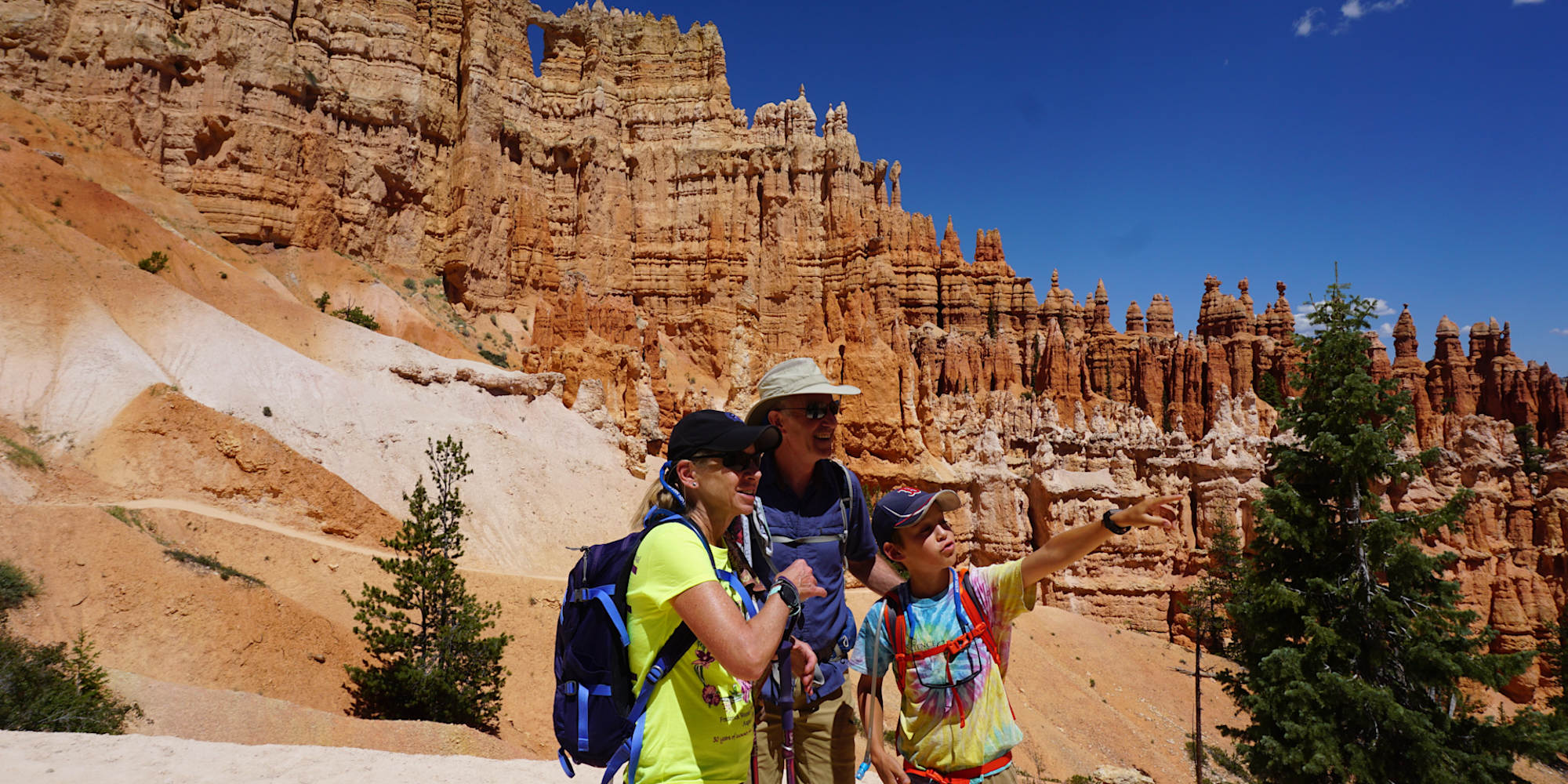
Southwest Utah has a way of keeping every member of the family engaged, even when everyone wants something different from a vacation. One person is scanning the trail ahead for wildlife. Another is stopping every few minutes to take photos. Younger kids are turning boulders and sandy paths into their own playground, while parents are simply happy to be outside together. Between the towering walls of Zion National Park and the otherworldly rock formations of Bryce Canyon, days fill quickly with hikes, scenic drives, rivers, overlooks, and the kind of shared experiences that stay part of family conversation long after the trip ends.
A Bryce Canyon and Zion family vacation works because the two parks feel completely different, yet fit together beautifully. Bryce Canyon brings high-elevation trails, cooler air, and amphitheaters filled with hoodoos. Zion brings sandstone cliffs, river-carved canyons, shuttle logistics, warmer temperatures, and unforgettable hikes like Scout Lookout, Watchman Trail, and The Narrows. Austin Adventures’ family trip also brings families into places such as Snow Canyon State Park and Quail Creek State Park, adding lava flows, sandstone, water, and quiet red-rock moments beyond the busiest park viewpoints.
The best way to prepare is not to pack the schedule until it groans. It is to understand the season, respect the terrain, choose lodging that supports the flow of the trip, bring the right layers and footwear, and decide how much planning support your family wants along the way. With the right preparation, Bryce Canyon and Zion feel active, joyful, and deeply doable for families who like to explore.
Why Bryce Canyon and Zion are Such a Rewarding Family Pairing
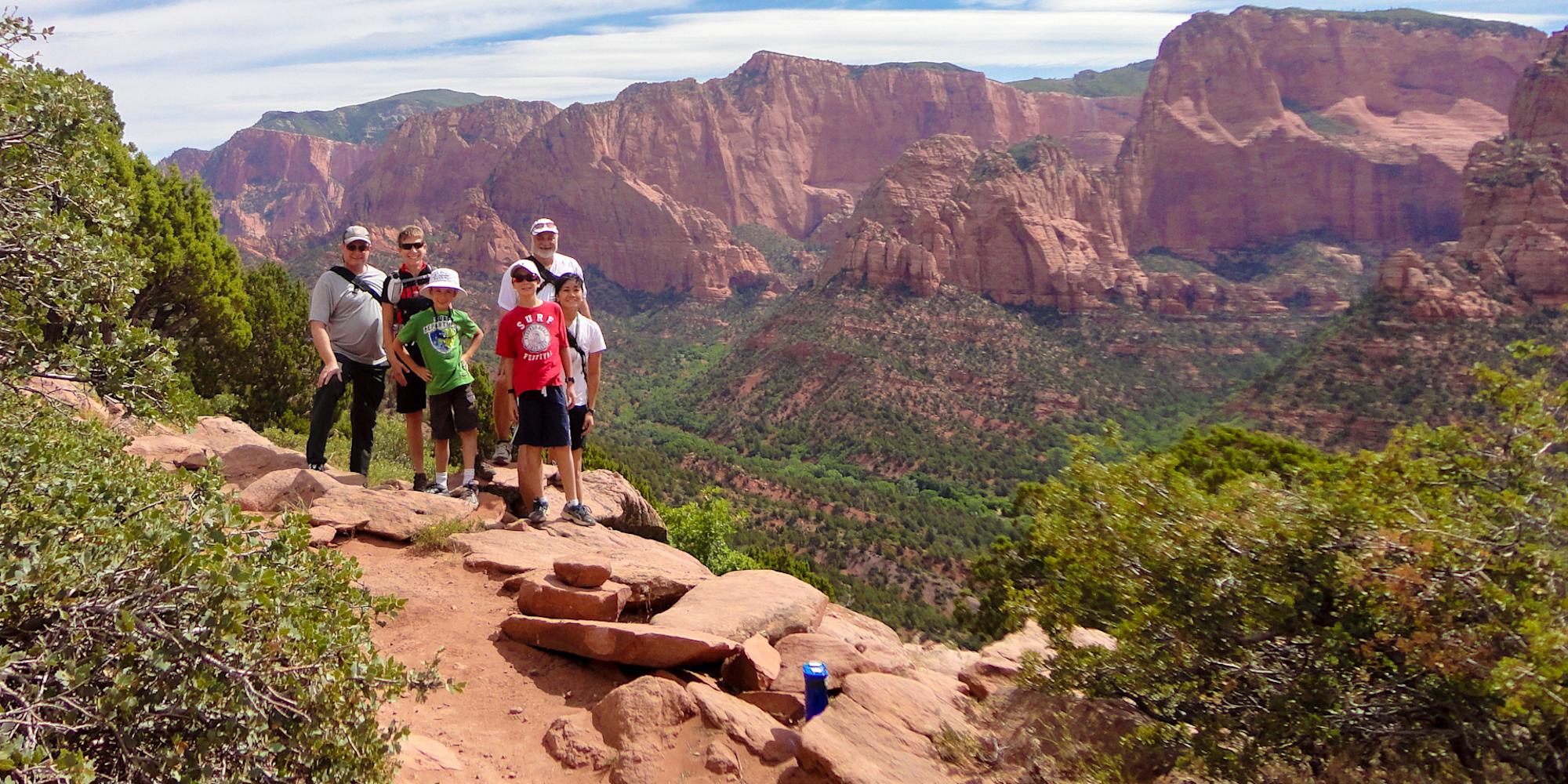
Bryce Canyon and Zion are often paired because they offer two very different versions of Southern Utah wonder. Bryce Canyon is all spires, fins, windows, and open amphitheater views. Zion is taller, warmer, and more vertical, with the Virgin River carving through the canyon floor. The parks are close enough to combine in one vacation, but distinct enough that kids, parents, and grandparents keep feeling like the story is changing.
In Bryce Canyon, families can walk among hoodoos on trails such as Queens Garden and take in sweeping views from the rim. The National Park Service describes Queen’s Garden as the least strenuous trail descending into the Bryce Amphitheater, while still noting that high elevation and steeper grades make it moderately strenuous. That is useful family-planning language: beautiful and approachable does not mean effortless.
Zion asks for a different kind of readiness. The park’s shuttle system serves major canyon trailheads, including stops for Angels Landing, Emerald Pools, the West Rim Trail, and The Narrows, and Zion Canyon Scenic Drive is shuttle-accessed for much of the year. For independent travelers, that means timing, parking, lines, and daily conditions matter. For guided families, much of that invisible planning gets handled in the background.
This is where Austin Adventures has a natural advantage. The company is built around thoughtful details and creating meaningful outdoor connections, especially in North American national parks. A family trip to Bryce Canyon and Zion should feel adventurous, but it should also feel cared for. The goal is not to rush through a checklist of viewpoints. The goal is to help everyone feel present enough to notice the color of the rock, the sound of the river, and the proud grin on a child’s face after a good climb.
When is the Best Time to Visit Bryce Canyon and Zion with Family?
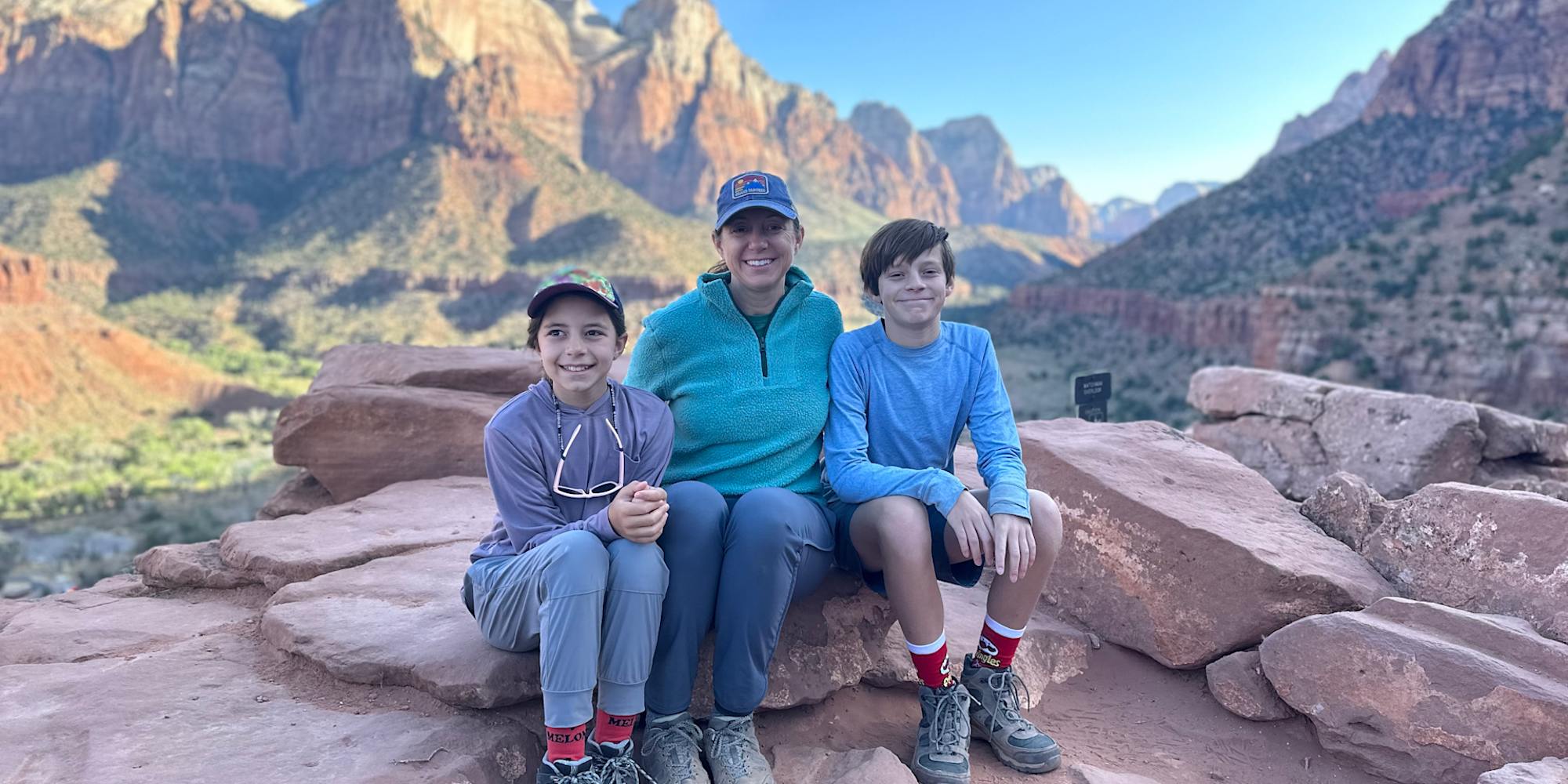
The best time to visit Bryce Canyon and Zion with family is usually spring through fall, with the right choice depending on your family’s tolerance for heat, crowds, school calendars, and changing mountain-desert weather. Spring and fall are often the most comfortable for hiking. Summer works well for many families, especially with early starts, smart hydration, and a flexible plan for hot afternoons. Winter can be beautiful, especially at Bryce Canyon, but it brings colder temperatures, possible snow, and more condition-dependent hiking.
Bryce Canyon sits high, with park elevations ranging from about 8,000 to over 9,000 feet, so it can feel cooler and more exposed than Zion. The National Park Service notes that visitors may feel the elevation while hiking and that Bryce Canyon’s hoodoo terrain is paired with high-altitude conditions. Zion, by contrast, is known for warmer canyon conditions, and the National Park Service notes that summer temperatures can be very hot while also linking visitor planning to flash-flood awareness and water conditions.
For families, the practical takeaway is simple: do not assume both parks will feel the same on the same trip. A morning in Bryce may call for a warm layer. An afternoon in Zion may call for shade, water, and a slower pace. The same suitcase needs to handle cool rim views, sunny canyon trails, and, if conditions allow, walking in the Virgin River through The Narrows.
Spring can be a wonderful season for families who want freshness, wildflowers, cooler hikes, and fewer peak-summer crowds. The trade-off is changeability. Trails can be muddy or snowy at higher elevations, and river conditions matter in Zion. Summer offers long days and classic school-break timing, but families should plan around heat, popular park logistics, and early departures. Fall often brings a lovely balance of comfortable temperatures, golden light, and a slightly calmer feel after the busiest summer period. Winter can bring snow-dusted hoodoos at Bryce Canyon and quieter park experiences, but it is better suited to flexible families who are comfortable adjusting plans around weather.
The best family season is not just the one with the nicest forecast. It is the one that matches your preferred pace. If your family wants hiking comfort, spring or fall may be the sweet spot. If school schedules make summer the natural choice, prepare for early starts, shade breaks, and plenty of water. If you love quieter landscapes and do not mind bundling up, winter can reveal a different side of Bryce Canyon.
How Hard is a Bryce Canyon and Zion Family Vacation?
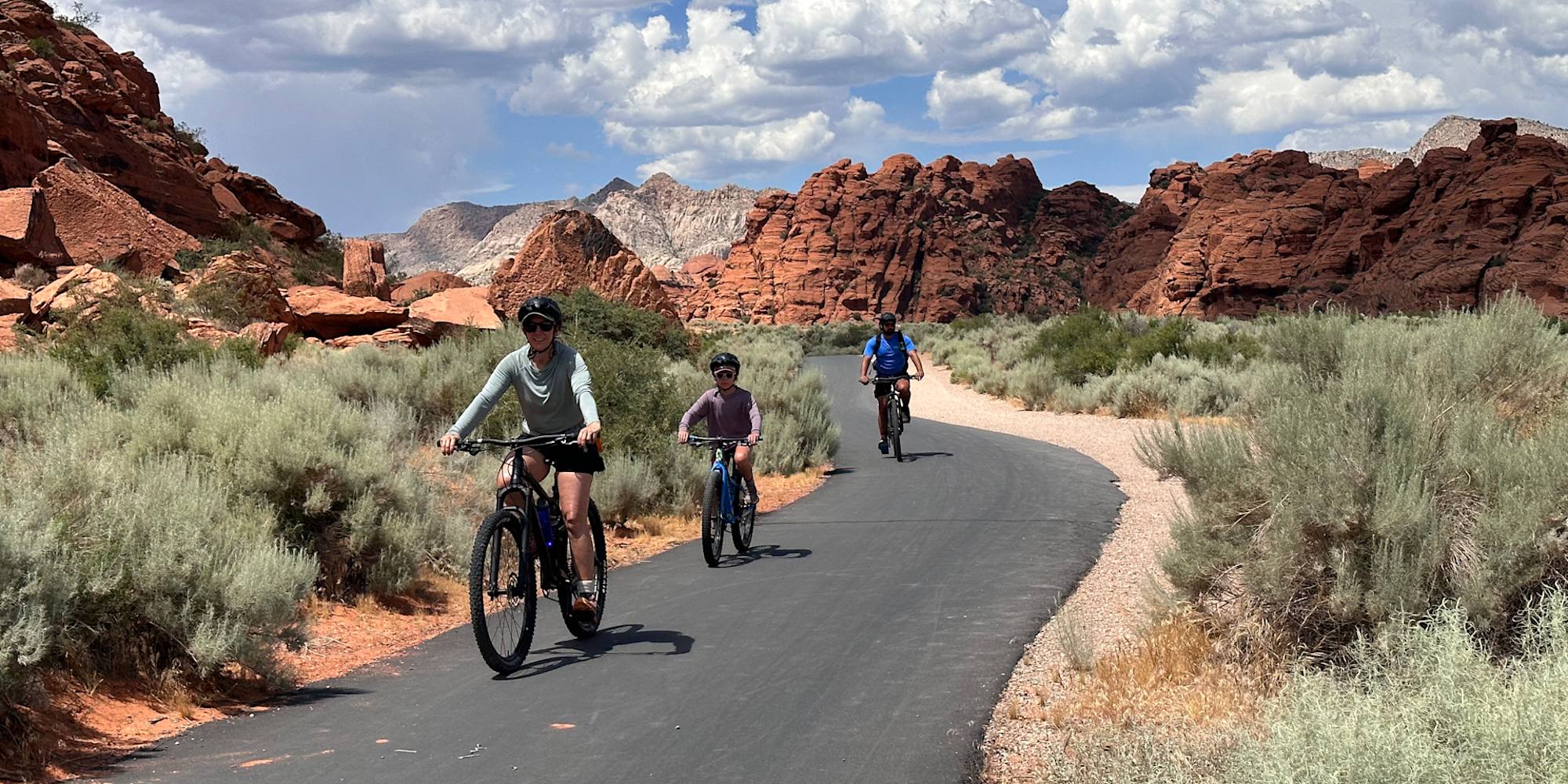
A Bryce Canyon and Zion family vacation is best described as active and varied rather than extreme. Families should expect real hiking, uneven footing, elevation changes, sun exposure, sandy or rocky trails, and some days that feel more energetic than a casual sightseeing trip. That said, with thoughtful pacing and guide support, it can be a rewarding fit for families who enjoy being outdoors and are comfortable walking for several hours.
Bryce Canyon hiking can surprise people because many trails begin at the rim and descend into the amphitheater. That means the climb often comes at the end. Queen’s Garden is considered one of the more approachable ways to enter the Bryce Amphitheater, but the National Park Service still categorizes it as moderately strenuous because of elevation and grade. The park also emphasizes that Bryce Canyon is high altitude, which is worth remembering if your family lives closer to sea level.
Zion brings its own challenges. Scout Lookout follows the West Rim Trail and includes steady climbing with expansive canyon views. The Narrows is not a typical hike at all. It is a river walk through the Virgin River, where water depth, current, weather, cold water, and flash-flood potential all matter. The National Park Service advises visitors to check conditions before entering narrow canyons, and notes that water levels in the Virgin River Narrows can vary significantly.
For families, “how hard is it?” is really three questions in one. Can everyone walk comfortably on uneven ground? Can your group handle active mornings and changing conditions? Does your family enjoy a little challenge when the payoff is big scenery and a shared sense of accomplishment?
This is where small-group guided travel can be especially helpful. A good guide reads more than the map. They read the mood of the group, the heat of the day, the pace of the kids, and the little signs that someone needs a snack or a shade break. Austin Adventures’ target travelers often value simplicity, safety, expert service, and dependable planning support, especially for domestic national park trips. That matters in Bryce Canyon and Zion, where a family’s best day often comes from doing the right hike at the right time, not simply doing the most famous hike.
Where Should Families Stay Near Bryce Canyon and Zion?
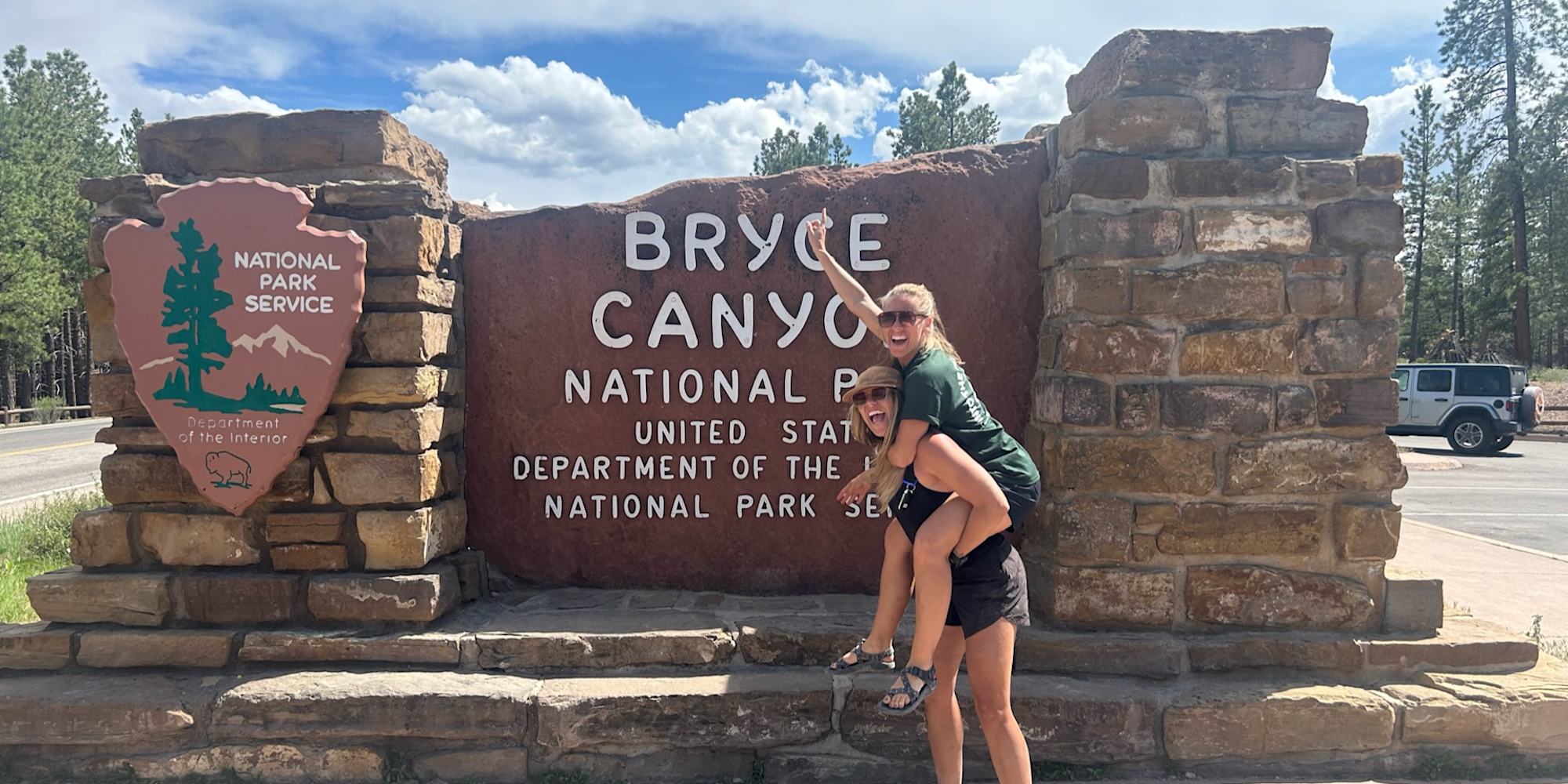
In Southern Utah, where park entrances, trailheads, shuttle systems, meal timing, heat, and drive times can shape the day, the right overnight base can make the whole vacation feel easier. Bryce Canyon City and Springdale are especially practical because they place families near the landscapes they came to experience.
Bryce Canyon City works well for families spending time in and around Bryce Canyon National Park. Being nearby helps with early starts, rim views, and returning to a comfortable room after hiking among the hoodoos. Springdale is the classic gateway town for Zion, with access to Zion Canyon, the visitor center area, restaurants, shops, and the shuttle system. Zion’s shuttle serves major canyon destinations and helps manage access along the Scenic Drive for much of the year.
On a guided family vacation, where you stay is about more than comfort. The best accommodations make each day flow seamlessly, keeping you close to the experiences that brought you to Southern Utah in the first place. Rather than focusing solely on luxury, Austin Adventures selects lodging for its setting, character, and proximity to the region's most memorable activities. For a Bryce Canyon and Zion National Park family vacation, that means comfortable, thoughtfully chosen hotels that put your family within easy reach of sunrise viewpoints, scenic hikes, and the adventures waiting just outside your door.
For multi-generational families, lodging matters even more. Grandparents may appreciate a shorter transfer. Parents may appreciate fewer logistics. Kids may appreciate space to unwind. Everyone benefits when the day ends with a sense of ease.
What Should you Pack for Bryce Canyon, Zion, and The Narrows?
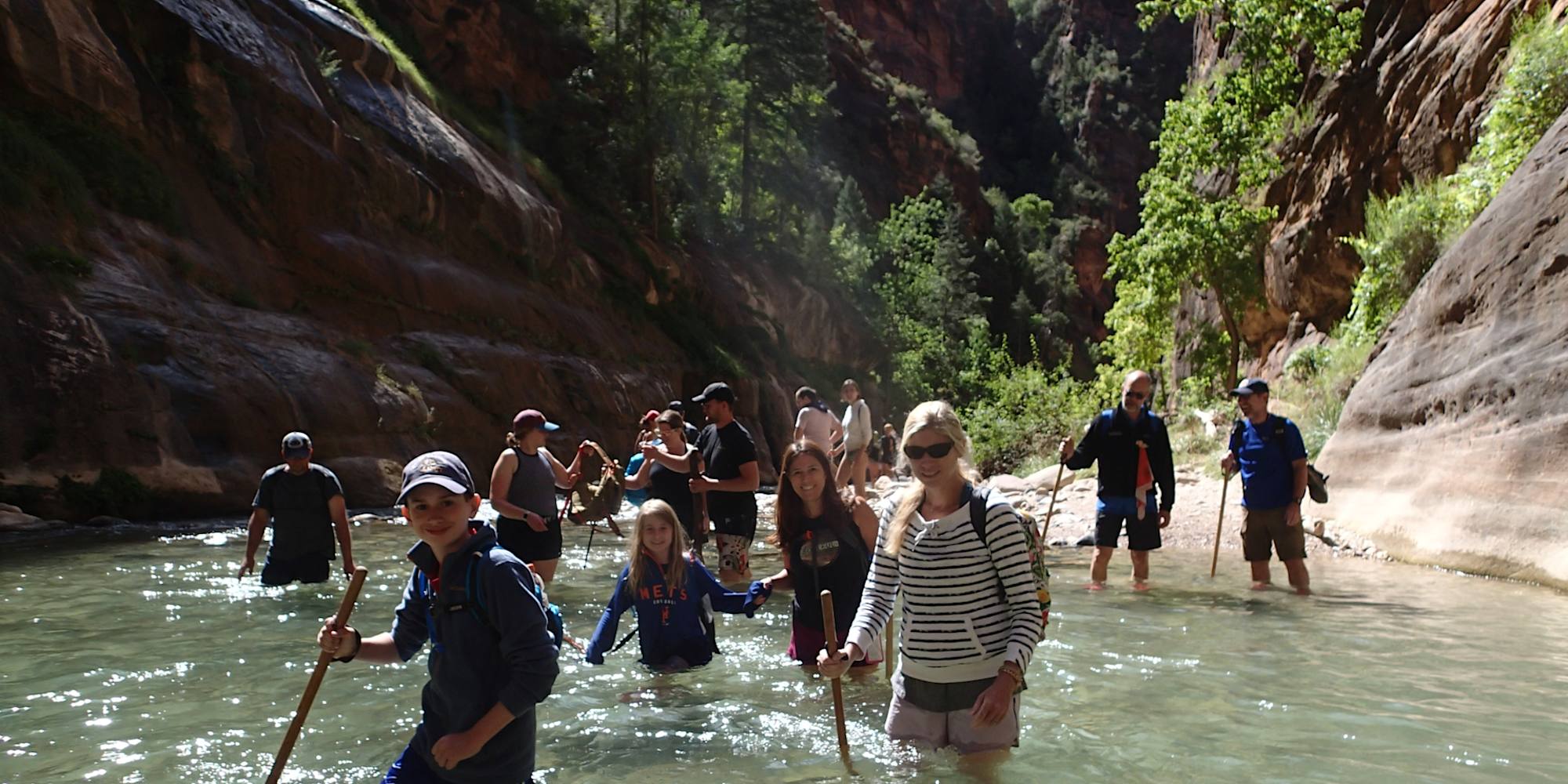
Packing for Bryce Canyon and Zion is about being ready for contrast. You may have a cool morning near Bryce Canyon’s rim, a warm afternoon in Zion Canyon, a dusty sandstone trail, a sudden storm, and a river hike through The Narrows all in one family vacation. The smartest packing approach is light, layered, sun-aware, and footwear-focused.
Start with shoes. Bryce Canyon National Park notes that shoes or boots not designed for hiking are a leading cause of rescues and injuries requiring hospital visits on the Queen’s Garden/Navajo Combination Loop page. That is a strong reminder for families: do not save new footwear for the first day of the trip. Bring broken-in hiking shoes or boots with good traction, and pack extra socks for long days, dusty trails, or wet feet.
Layers matter because Bryce Canyon and Zion can feel like different climates. A moisture-wicking shirt, light fleece or warm mid-layer, sun hat, sunglasses, sunscreen, and a packable rain jacket can all earn their place in the daypack. Bryce Canyon’s elevation can make mornings and evenings cool, while Zion’s canyon environment can feel much hotter, especially in summer.
The Narrows deserves its own packing mindset. High canyon walls and cold water can create cooler conditions than elsewhere in Zion Canyon, and visitors should wear and bring seasonally appropriate layers. Because flash floods can happen quickly in narrow canyons, families should always follow current National Park Service conditions and guide direction before entering. Zion closes The Narrows when the Virgin River flow rate is over 150 cubic feet per second and when the National Weather Service issues a Flash Flood Warning.
For parents, the small things can save the day: blister care, personal medication, a lightweight neck gaiter, a spare layer, a few familiar snacks, and a small dry bag or zip-top bag for essentials. For kids, comfort often comes down to steady snacks, enough water, and knowing what kind of adventure is coming next. For adults, comfort often comes down to not being surprised by the weather.
On an Austin Adventures trip, families have expert guide support at all times and specialty gear is provided where needed, but arriving with good personal layers and reliable footwear helps everyone start strong.
Guided or Independent: How to Choose the Trip Style that Fits Your Family
Independent travel can be a good fit for families who love planning, enjoy making every booking themselves, and are comfortable adjusting around weather, shuttles, parking, trail conditions, meals, and gear.
The trade-off is that independent travel asks someone in the family to be the planner every day. That person checks the forecast, watches river conditions, chooses the trail, manages shuttle timing, keeps an eye on heat, confirms dinner, drives the route, tracks everyone’s energy, and still tries to enjoy the view. In Zion, where shuttle access, Narrows conditions, flash-flood awareness, and busy seasons can all shape the day, that planning role can become a lot.
Guided travel is especially valuable for families who want the adventure without the constant decision fatigue. With Austin Adventures, the brand promise is rooted in careful details, small-group care, guide expertise, and creating meaningful connections outdoors. In practical terms, that can mean a smoother morning, a better-timed hike, a snack when energy dips, a story that helps kids understand what they are seeing, and a plan B when conditions change.
This does not remove the adventure. It protects it. Your family still walks among Bryce Canyon hoodoos, explores Snow Canyon’s lava flows and sandstone, paddles at Quail Creek State Park, hikes toward Scout Lookout, and steps into the Virgin River when conditions allow. The difference is that someone else is thinking three steps ahead, so your family can be more present in the moment you travelled all that way to share.
For first-time national park families, guided travel can feel especially reassuring. For multi-generational families, it can make different ages and energy levels easier to support. For busy parents, it can turn a complex trip into something that finally feels like a vacation.
Come prepared, then let the canyons do the rest
Our Bryce Canyon and Zion Family Vacation is one of those trips that asks a little from you and gives back much more. It asks you to bring good shoes, drink water, respect the weather, listen to the people who know the parks, and keep a little flexibility in your day. In return, it gives you orange hoodoos at Bryce, quiet family moments on the rim, sandstone walls in Zion, cool river water in The Narrows, and the kind of shared accomplishment that lingers long after the dust has been washed from your socks.
The best preparation is practical, not complicated. Choose a season that fits your family. Pack for sun, layers, and water. Expect real hiking, but not perfection. Stay close to the places you want to explore. Build in enough support that the trip feels joyful instead of over-managed.
Then let Southern Utah do what it does best. Let the light change. Let the kids lead for a while. Let the canyon walls make everyone look up. And when the day is done, let your family carry home the feeling of having truly been there together.
Join us on a Bryce Canyon & Zion Family Vacation!