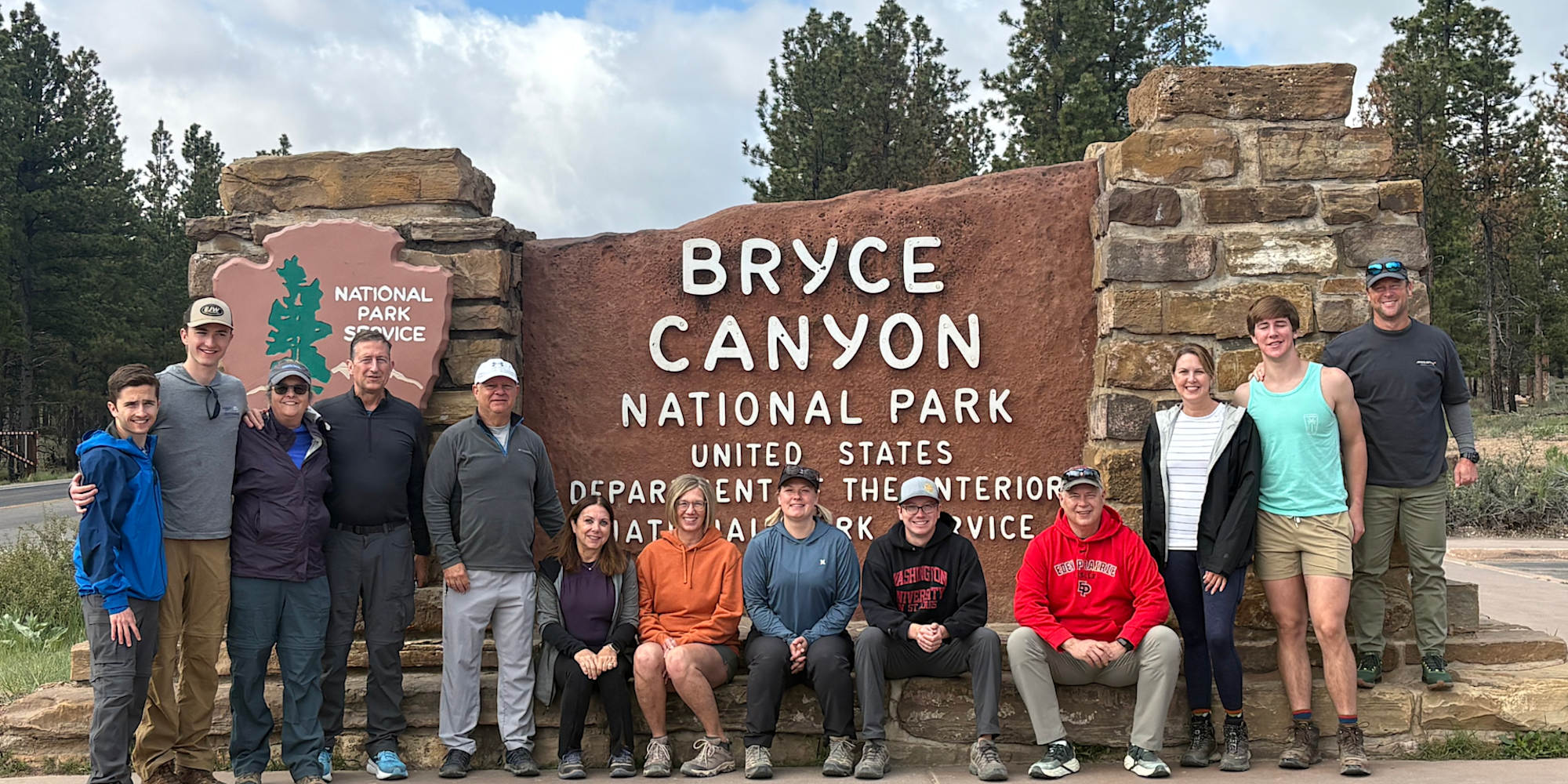
Bryce Canyon is one of those places where the trail changes everything. From the rim, the hoodoos look like a glowing stone city. Step below the rim, and suddenly you’re walking between them: past narrow walls, orange fins, switchbacks, windows, pine trees, and formations that seem too delicate to be real.
The best hiking trails in Bryce Canyon National Park are Queen’s Garden/Navajo Loop for first-time visitors, Rim Trail for easier canyon views, Peekaboo Loop for a more strenuous hoodoo hike, Fairyland Loop for a quieter full-day adventure, and Mossy Cave or Bristlecone Loop for shorter family-friendly walks. Most Bryce hikes involve high elevation, sun exposure, uneven terrain, and at least some uphill walking, so the right choice depends on your time, fitness, season, and comfort level.
For travelers exploring Bryce with Austin Adventures, the beauty is not just in the trail itself. It’s in having a guide who knows when to start, where to pause, how to pace the climb, and how to make the day feel memorable without making it feel complicated.
Best Bryce Canyon Hikes for Every Type of Traveler
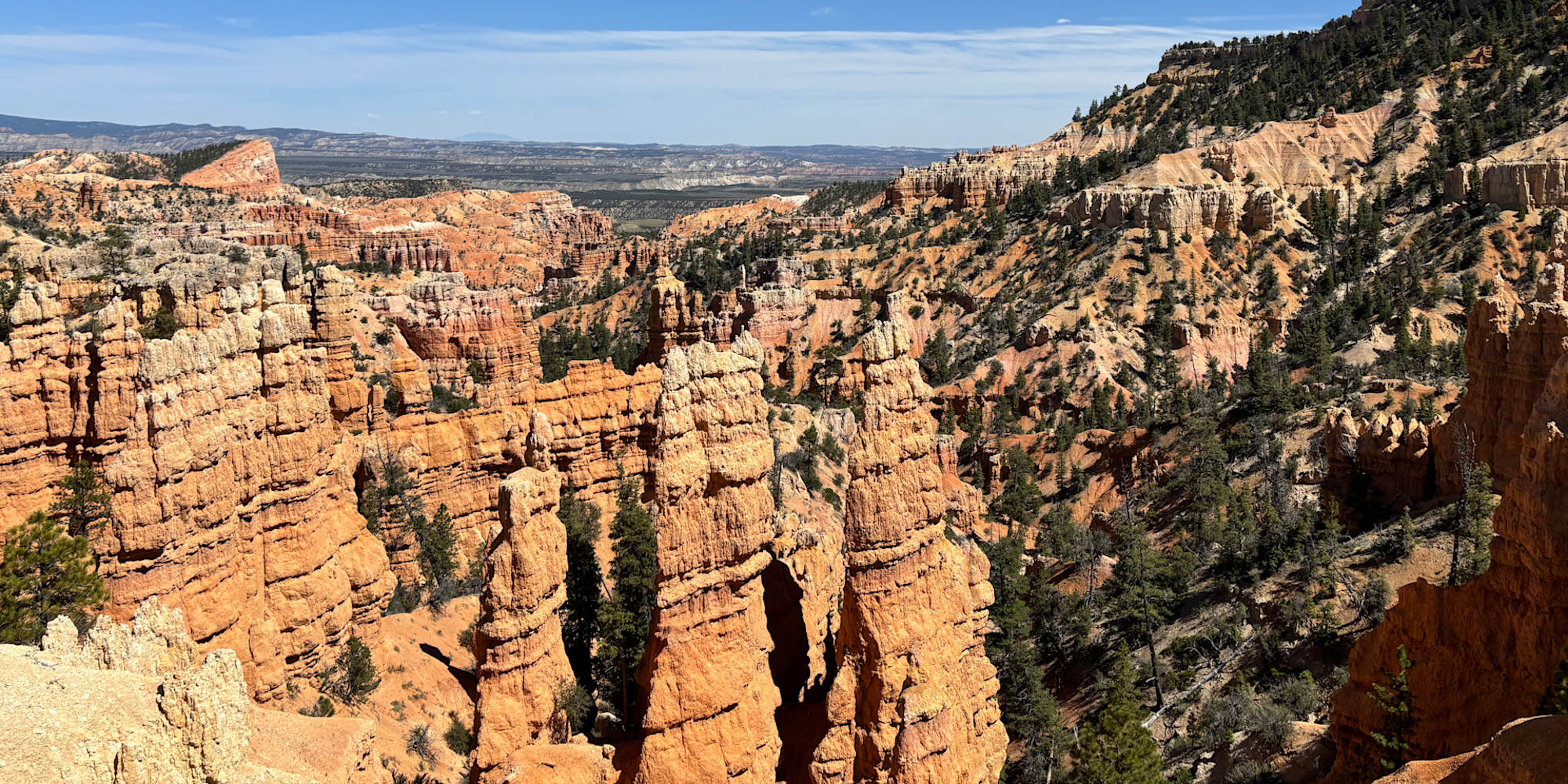
Bryce Canyon has hikes for almost every kind of active traveler, from short rim walks to full-day routes through hoodoo country. The key is choosing the trail that matches your group, your time, and your energy.
Bryce hikes can feel more challenging than their mileage suggests. The park sits at high elevation, and many routes descend first, which means the climb comes later. Add dry air, sun, dust, changing weather, and uneven footing, and a short hike can still feel like a real adventure.
For many Austin Adventures guests, that’s part of the appeal. The day is active and rewarding, but it is also carefully paced. On guided Bryce Canyon and Zion adventures, the trail experience is supported by guides, small-group travel, transportation, lodging, meals, and thoughtful planning that lets you focus on the hoodoos instead of the logistics.
Best Classic Hoodoo Hike: Queen’s Garden and Navajo Loop
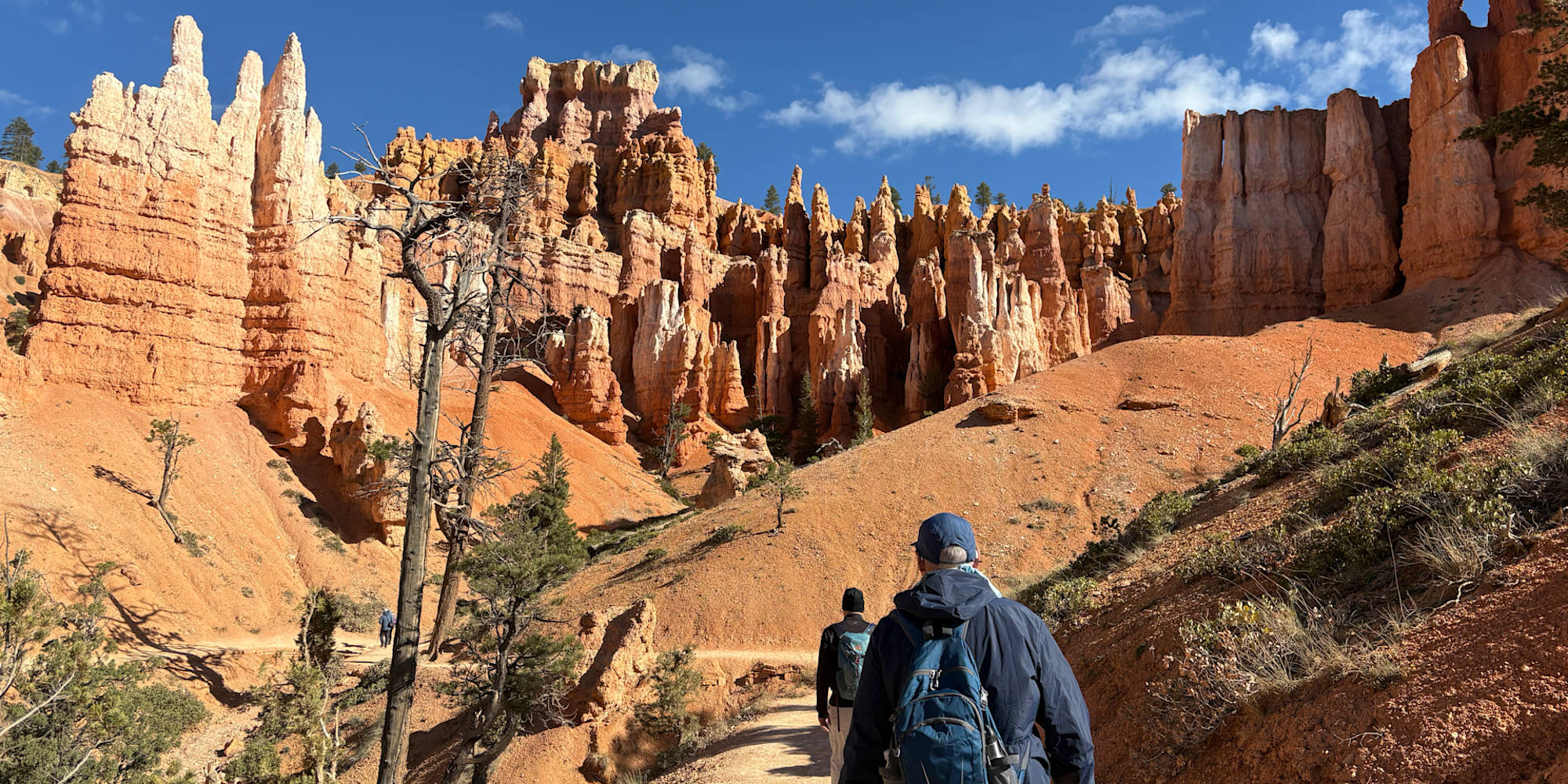
If you only have time for one hike in Bryce Canyon, make it Queen’s Garden and Navajo Loop. The National Park Service describes the Queen’s/Navajo Combination Loop as the park’s most popular hike and its most recommended moderate hike for first-time visitors who want to descend into Bryce Amphitheater and walk among the hoodoos.
This classic loop combines the open hoodoo views of Queen’s Garden with the switchbacks and canyon walls of Navajo Loop. The National Park Service lists the Queen’s/Navajo Combination Loop as 2.9 miles, 2–3 hours, and 625 feet of elevation gain, with a clockwise direction recommended.
What makes it special is the variety. You begin with wide views into the amphitheater, then descend into a world of spires and fins. The hoodoos feel taller from below. The colors feel warmer. The trail narrows, curves, and climbs in a way that makes the landscape feel alive.
Best for: First-time visitors, active couples, families with older kids, photographers, and anyone who wants the classic Bryce hiking experience.
Difficulty: Moderate. The mileage is manageable, but the climb back to the rim requires steady effort.
Best season: Spring through fall for most hikers. In winter, the National Park Service notes that Navajo Loop is not a loop and recommends using the Two Bridges side for the Queen’s/Navajo Combination when Wall Street is closed.
Guide-style tip: Start early. The light is softer, the temperatures are cooler, and the trail feels more peaceful before the main rush of the day.
On Austin Adventures’ Bryce Canyon & Zion Adventure, guests follow the Queen’s Garden Trail past sculpted hoodoos as part of a six-day Bryce and Zion experience. That support is especially helpful in a park where trail choices, shuttle timing, elevation, and weather can all shape the day.
Best Easier Hikes: Rim Trail, Mossy Cave, and Bristlecone Loop
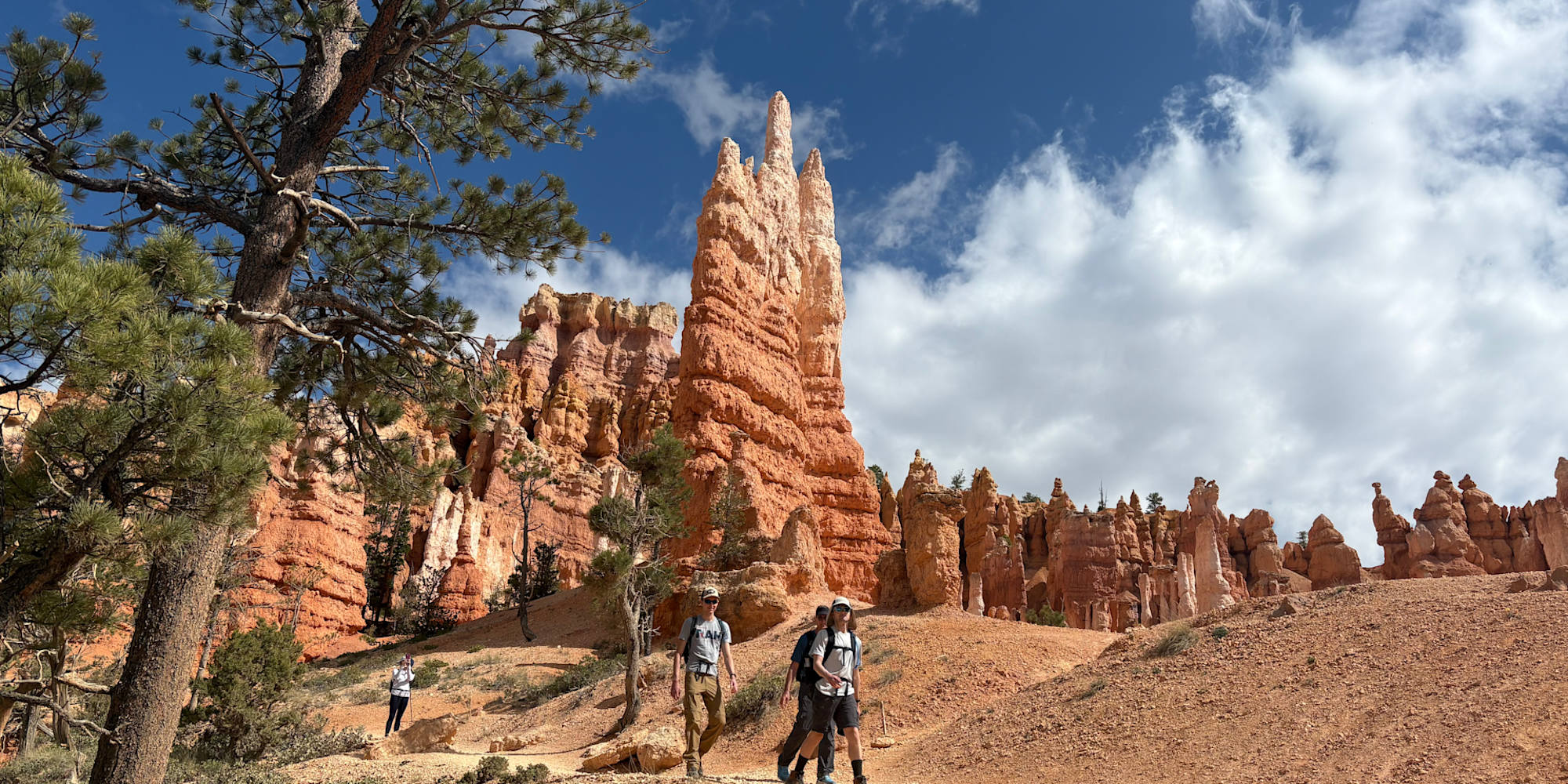
Not every great Bryce hike needs to drop deep into the amphitheater. Some of the park’s most rewarding trails are shorter, gentler, or easier to adapt to different ability levels.
Rim Trail
Rim Trail is the best choice for big views with flexible distance. The National Park Service says the Rim Trail stretches 5.5 miles from Bryce Point to Fairyland Point and connects Inspiration Point, Sunset Point, and Sunrise Point along the edge of Bryce Amphitheater. Visit Utah also notes that visitors can hike the whole route or break it into smaller segments, and that much of the pathway between Sunrise and Sunset points is paved or well-worn, with portions wheelchair accessible.
Mossy Cave Trail
Mossy Cave Trail is a short walk outside the main amphitheater area. Visit Utah describes it as a 0.8-mile out-and-back trail from UT-12 that offers a smaller-scale sampler of Bryce’s red pinnacles and ends at a mossy, seeping cave. It’s a good choice when you want a shorter Bryce experience, especially with kids or limited time.
Bristlecone Loop
Bristlecone Loop is a one-mile loop near Rainbow Point. Visit Utah describes it as a short above-rim loop through subalpine fir forest and bristlecone pines, while the National Park Service lists it as a 1.0-mile round trip with spruce-fir forest, bristlecone pines, cliffs, and expansive vistas. It offers a different mood than the amphitheater trails: quieter, higher, forested, and breezy.
These hikes are especially helpful for travelers asking, “Is Bryce Canyon good for families?” Yes, and these trails are a big reason why. Bryce offers real national park drama without requiring everyone to tackle a long or strenuous route.
Best for: Families, mixed-ability groups, active retirees, first-day warmups, short visits, and travelers adjusting to elevation.
Difficulty: Easy to moderate, depending on distance, weather, and trail conditions.
Best season: Spring through fall, with extra care in winter or after storms.
The Austin Adventures Experience: On a guided family vacation, these shorter trails can be woven into bigger days that still feel balanced: a scenic walk, a picnic, a viewpoint, a playful geology moment from your guide, and enough downtime that the day stays fun.
Austin Adventures’ Bryce Canyon & Zion Family Vacation includes time among Bryce Canyon’s colorful hoodoo formations on trails like Queen’s Garden and Birdseye, then continues to Zion for canyon scenery, Scout Lookout views, and The Narrows.
Best Longer Hikes: Peekaboo Loop, Fairyland Loop, and Tower Bridge
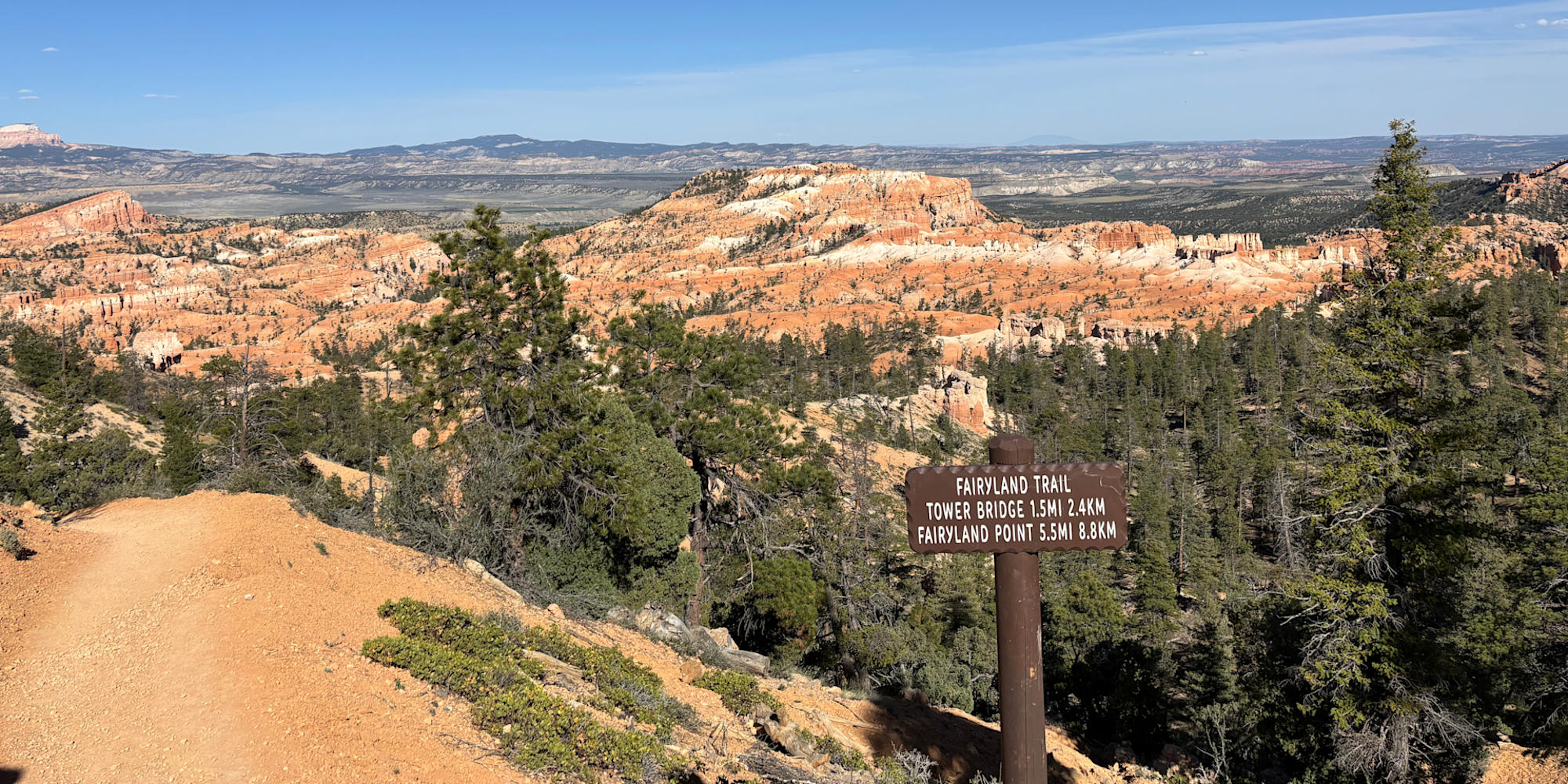
For travelers who want more mileage, more elevation, and more time among Bryce’s hoodoos, the park’s longer hikes are deeply rewarding.
Peekaboo Loop is one of Bryce Canyon’s standout strenuous hikes. From Bryce Point, the 5.5-mile route takes about 3 to 4 hours and includes 1,560 feet of elevation gain. Hiking clockwise is recommended. As horse and mule rides also use the trail, hikers should give animals the right of way.
Fairyland Loop is one of the best hikes in Bryce Canyon for travelers looking for a longer, quieter adventure. The 8-mile route takes roughly 4 to 5 hours and gains 1,900 feet in elevation, passing landmarks such as China Wall, Tower Bridge, and clusters of tall hoodoos.
Tower Bridge offers a more moderate introduction to the Fairyland area. This 3-mile out-and-back hike follows the southern portion of Fairyland Loop and typically takes 2 to 3 hours, with 760 feet of elevation gain.
These trails suit travelers who like to earn their views. You’ll feel the elevation, especially on the climb, but the reward is a deeper look at Bryce’s formations and a little more space to settle into the rhythm of the trail.
Best for: Stronger hikers, active couples, solo travelers, families with fit teens, and guests who want a more immersive Bryce experience.
Difficulty: Moderate to strenuous.
Best season: Spring through fall, with early starts in warmer months and careful condition checks in winter or shoulder seasons.
Guide-style tip: Longer Bryce hikes are not just about fitness. They’re about timing. Start early, carry enough water, build in snack breaks, and keep an eye on changing weather. With a guide, those decisions are handled with care, so the day feels adventurous but not stressful.
How to Plan Your Bryce Hiking Day: Season, Elevation, Gear, and Guide Support
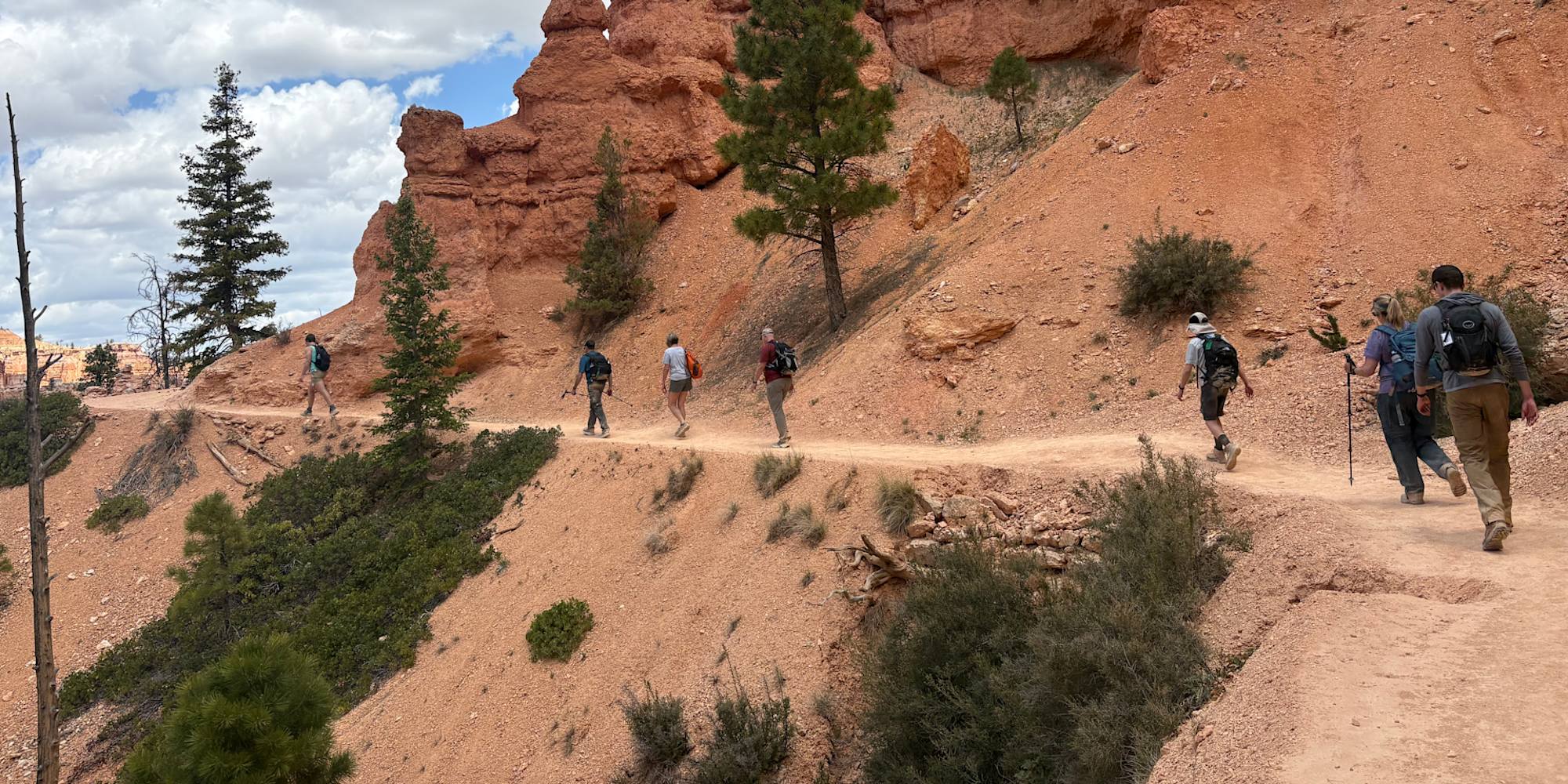
Bryce Canyon hiking is wonderfully accessible, but it deserves thoughtful planning. The park’s elevation is higher than many travelers expect, and even moderate trails can feel challenging if you arrive dehydrated, underprepared, or fresh from lower desert elevations.
Best time to hike in Bryce Canyon
Spring and fall are often the most comfortable seasons for hiking, with milder temperatures and fewer peak-season crowds. Summer offers long days and fuller access to park services, but early starts are important. Winter can be beautiful, with snow on the hoodoos, though ice and seasonal closures can affect trails.
Weather and terrain
Expect sun, wind, dry air, dusty trails, uneven footing, and quick temperature shifts. Below-the-rim hikes often involve switchbacks, exposed sections, and a steady climb back up. After rain or snow, trails may be muddy, icy, or slick.
What to pack for Bryce Canyon hikes
Bring sturdy hiking shoes or boots, a refillable water bottle, snacks, sun protection, sunglasses, a brimmed hat, a light layer, a warm layer, and a rain shell if storms are possible. For longer hikes, the National Park Service advises carrying plenty of water, with a general guideline of one quart or liter per person for every 2–3 hours of hiking. In colder months, traction devices may be useful for icy trails.
Where to stay for Bryce Canyon hiking
Many travelers stay in Bryce Canyon City or nearby gateway communities close to the park entrance. On Austin Adventures’ Bryce Canyon and Zion itineraries, lodging is part of the planned experience, helping guests stay close to the region’s best trails without having to coordinate every night independently.
Guided vs independent Bryce hiking
Independent hiking works well if you enjoy planning routes, watching weather, managing transportation, and adjusting plans on your own. Guided travel is a better fit if you want a smoother experience, local knowledge, small-group company, and the reassurance that someone has already thought through the timing, trail choice, meals, lodging, and backup plan.
Austin Adventures’ Bryce Canyon & Zion Adventure explores Bryce and Zion over six days, including Queen’s Garden in Bryce and canyon hiking in Zion. The Mighty Five Adventure expands the experience across Utah’s iconic national parks, pairing Bryce with Arches, Canyonlands, Capitol Reef, and Zion.
Let the trail match your pace
The best Bryce Canyon hike is not always the longest one. It’s the one that fits your day, your group, your legs, and the kind of memory you want to carry home.
Maybe that means an early start on Queen’s Garden and Navajo Loop, with the hoodoos glowing in soft morning light. Maybe it’s a gentle Rim Trail walk with three generations stopping at every overlook. Maybe it’s a quieter day on Fairyland Loop, where the crowds thin and the canyon opens slowly with every mile.
Bryce Canyon has a way of making every pace feel worthwhile. And when the details are thoughtfully handled - trail timing, transportation, lodging, meals, guide support, and those small “wow” moments along the way - you’re free to do the best part: follow the trail, look up often, and enjoy being right there among the hoodoos.
Check out our adventures and explore Bryce Canyon National Park with us here at Austin Adventures!
Written by Madeline Miller, part of the Austin Adventures team, with insight from a company that’s been creating guided adventure vacations in our National Parks since 1985.